„Kamala Harris: Breaking Barriers, Shaping Futures.”
Introduction
Kamala Harris is an American politician and attorney who serves as the Vice President of the United States, having taken office on January 20, 2021. She is the first woman, the first Black woman, and the first person of South Asian descent to hold this position. Prior to her vice presidency, Harris served as the U.S. Senator from California from 2017 to 2021 and was the state’s Attorney General from 2011 to 2017. Known for her advocacy on issues such as criminal justice reform, healthcare, and immigration, Harris has made significant contributions to national policy discussions and is a prominent figure in the Democratic Party.
Kamala Harris: A Voice for Social Justice
Kamala Harris has emerged as a prominent figure in American politics, particularly recognized for her unwavering commitment to social justice. As the first female Vice President of the United States and the first woman of Black and South Asian descent to hold this office, Harris embodies a significant shift in the political landscape, representing a diverse constituency that has long been underrepresented in leadership roles. Her journey into politics was fueled by a deep-seated belief in equality and a desire to address systemic injustices that have plagued marginalized communities for generations.
Harris’s career began in the legal field, where she served as a prosecutor in San Francisco and later as the Attorney General of California. In these roles, she gained a reputation for her tough stance on crime, yet she also advocated for reforms that aimed to reduce mass incarceration and promote rehabilitation over punishment. This dual approach highlighted her understanding of the complexities surrounding criminal justice issues, as she sought to balance public safety with the need for equitable treatment of all individuals, regardless of their background. Her efforts to implement progressive policies, such as the decriminalization of certain offenses and the promotion of restorative justice practices, underscored her commitment to creating a fairer legal system.
Transitioning from state to national politics, Harris continued to champion social justice issues during her tenure as a U.S. Senator. She became known for her incisive questioning during Senate hearings, particularly on matters related to civil rights, immigration, and healthcare. Her ability to articulate the struggles faced by everyday Americans resonated with many, as she consistently pushed for policies that aimed to dismantle systemic barriers. For instance, her advocacy for the Equality Act, which seeks to prohibit discrimination based on sexual orientation and gender identity, exemplifies her dedication to advancing the rights of LGBTQ+ individuals. Furthermore, her support for comprehensive immigration reform reflects her understanding of the complexities surrounding immigration policy and the human stories behind the statistics.
In addition to her legislative efforts, Harris has utilized her platform to address pressing social issues, such as racial inequality and police reform. The national conversation surrounding these topics intensified following the tragic death of George Floyd, and Harris was quick to respond by calling for accountability and systemic change. Her involvement in the George Floyd Justice in Policing Act illustrates her commitment to addressing police violence and ensuring that law enforcement agencies are held accountable for their actions. By advocating for measures that promote transparency and community engagement, Harris has positioned herself as a leader in the fight for justice and equality.
Moreover, Harris’s role as Vice President has further amplified her voice on social justice issues. She has consistently emphasized the importance of addressing the root causes of inequality, including economic disparities and access to education. By prioritizing initiatives that aim to uplift disadvantaged communities, she seeks to create a more equitable society where everyone has the opportunity to thrive. Her focus on issues such as affordable housing, healthcare access, and educational equity reflects a holistic approach to social justice, recognizing that these interconnected challenges require comprehensive solutions.
In conclusion, Kamala Harris stands as a formidable advocate for social justice, leveraging her experiences and position to effect meaningful change. Her journey from prosecutor to Vice President illustrates a steadfast commitment to addressing the systemic injustices that have long affected marginalized communities. As she continues to navigate the complexities of American politics, her voice remains a powerful force in the ongoing struggle for equality and justice for all.
The Significance of Kamala Harris’s Heritage
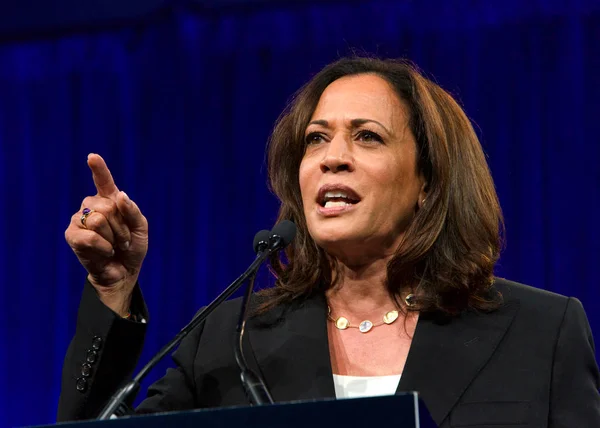
Kamala Harris, the first female Vice President of the United States, holds a heritage that is both rich and multifaceted, reflecting the diverse tapestry of American society. Born to an Indian mother and a Jamaican father, Harris’s background is emblematic of the immigrant experience in the United States, showcasing the intersection of various cultures and traditions. This unique heritage not only shapes her identity but also influences her political perspectives and policy priorities, making her a significant figure in contemporary American politics.
Harris’s Indian heritage, particularly her mother’s influence, has played a crucial role in her upbringing. Her mother, Shyamala Gopalan, was a cancer researcher who immigrated to the United States in the 1960s. Gopalan instilled in Harris a strong sense of cultural pride and the importance of education, values that have guided her throughout her life. This connection to her Indian roots is not merely a personal narrative; it resonates with many Americans who share similar backgrounds, thereby fostering a sense of representation and inclusivity in the political arena. Harris’s ability to articulate her experiences as a woman of color in America allows her to connect with a diverse electorate, highlighting the significance of representation in leadership roles.
Moreover, Harris’s Jamaican heritage adds another layer to her identity. Her father, Donald Harris, emigrated from Jamaica to pursue higher education in the United States. This aspect of her background enriches her understanding of the challenges faced by Caribbean immigrants and people of African descent in America. By embracing both sides of her heritage, Harris embodies the complexities of identity in a nation that is often characterized by its diversity. This duality not only enhances her relatability but also positions her as a bridge between different communities, fostering dialogue and understanding among various cultural groups.
The significance of Kamala Harris’s heritage extends beyond personal identity; it also informs her policy priorities and political agenda. Throughout her career, she has championed issues that resonate with marginalized communities, including criminal justice reform, healthcare access, and economic equity. Her experiences as a woman of color navigating the political landscape have equipped her with a unique perspective on systemic inequalities, motivating her to advocate for policies that promote social justice and equity. In this regard, her heritage serves as both a source of inspiration and a driving force behind her commitment to public service.
Furthermore, Harris’s ascent to the vice presidency marks a historic moment in American history, symbolizing progress in the ongoing struggle for representation and equality. Her presence in the highest echelons of government sends a powerful message to young girls and women of color, demonstrating that they too can aspire to leadership roles. This representation is crucial in a society where diverse voices have often been marginalized, and Harris’s position serves as a beacon of hope for future generations.
In conclusion, Kamala Harris’s heritage is not merely a facet of her identity; it is a significant element that shapes her worldview and informs her political actions. By embracing her Indian and Jamaican roots, she not only honors her family’s legacy but also amplifies the voices of those who have historically been underrepresented. As she continues to navigate the complexities of her role as Vice President, her heritage remains a vital part of her narrative, influencing her commitment to fostering a more inclusive and equitable society.
Kamala Harris and Her Role in the Biden Administration
Kamala Harris has emerged as a significant figure in the Biden administration, serving as the first female Vice President of the United States and the first woman of Black and South Asian descent to hold this office. Her role extends beyond the ceremonial duties typically associated with the vice presidency; she has been entrusted with a range of critical responsibilities that reflect both her political acumen and the administration’s priorities. From the outset, Harris has been a key advisor to President Joe Biden, participating in high-level discussions and decision-making processes that shape the direction of the administration’s policies.
One of the most notable aspects of Harris’s role has been her focus on issues related to social justice and equity. Drawing from her background as a former Attorney General of California and a U.S. Senator, she has been a vocal advocate for reforms aimed at addressing systemic inequalities. This commitment is particularly evident in her involvement with initiatives aimed at promoting racial equity, criminal justice reform, and voting rights. By championing these causes, Harris not only amplifies the voices of marginalized communities but also aligns with the Biden administration’s broader goals of fostering inclusivity and justice.
Moreover, Harris has taken on a prominent role in foreign policy, particularly in relation to diplomatic efforts in Central America. Recognizing the root causes of migration, she has been tasked with addressing the challenges that lead individuals to flee their home countries. This includes engaging with leaders in the region to promote economic development and stability, thereby aiming to create conditions that discourage migration. Her diplomatic efforts underscore the administration’s recognition that foreign policy is intrinsically linked to domestic issues, particularly in the context of immigration.
In addition to her focus on social justice and foreign policy, Harris has also been a key player in the administration’s response to the COVID-19 pandemic. She has worked alongside public health officials to promote vaccination efforts and ensure equitable access to healthcare resources. By emphasizing the importance of science and public health, Harris has helped to restore public confidence in government institutions during a time of crisis. Her efforts in this area reflect a broader commitment to addressing public health disparities, which have disproportionately affected communities of color.
Furthermore, Harris’s role as a trailblazer has inspired many, particularly young women and girls who see her as a symbol of possibility. Her presence in the White House serves as a reminder of the progress that has been made in terms of representation, while also highlighting the work that remains to be done. As she navigates the complexities of her position, Harris continues to break barriers and challenge norms, embodying the spirit of resilience and determination.
In conclusion, Kamala Harris’s role in the Biden administration is multifaceted and impactful. From advocating for social justice to engaging in foreign diplomacy and addressing public health challenges, she has positioned herself as a vital member of the administration. Her leadership not only reflects the values of the Biden administration but also resonates with a diverse array of constituents across the nation. As she continues to fulfill her duties, Harris remains a pivotal figure in shaping the future of American politics, embodying the ideals of progress and inclusivity that are essential for the nation’s advancement.
The Impact of Kamala Harris on Women’s Rights
Kamala Harris, the first female Vice President of the United States, has made significant strides in advocating for women’s rights throughout her career. Her journey began as a prosecutor in California, where she focused on issues that disproportionately affected women, such as domestic violence and sexual assault. By prioritizing these issues, Harris not only brought them to the forefront of public discourse but also demonstrated a commitment to creating a safer environment for women. This early focus laid the groundwork for her later initiatives and policies aimed at promoting gender equality.
As a U.S. Senator, Harris continued to champion women’s rights by co-sponsoring and supporting legislation that addressed various aspects of gender inequality. For instance, she played a pivotal role in the introduction of the Women’s Health Protection Act, which aimed to safeguard access to reproductive health care services. This legislation was particularly significant in the context of ongoing debates surrounding reproductive rights, as it sought to protect women’s autonomy over their bodies. By advocating for such measures, Harris has positioned herself as a staunch defender of women’s rights, emphasizing the importance of access to comprehensive health care.
Moreover, Harris has consistently highlighted the intersectionality of women’s rights, recognizing that issues such as race, class, and sexual orientation significantly impact women’s experiences. Her advocacy for marginalized communities has underscored the necessity of inclusive policies that address the unique challenges faced by women of color, LGBTQ+ women, and those from low-income backgrounds. By amplifying these voices, Harris has contributed to a broader understanding of women’s rights that transcends traditional narratives, fostering a more inclusive dialogue around gender equality.
In addition to her legislative efforts, Harris has utilized her platform to raise awareness about the systemic barriers that women encounter in various spheres, including the workplace. She has been vocal about the need for equal pay and has supported initiatives aimed at closing the gender pay gap. By addressing economic disparities, Harris has underscored the importance of financial independence for women, which is crucial for their empowerment and overall well-being. Her commitment to these issues reflects a comprehensive approach to women’s rights, recognizing that economic security is a fundamental aspect of gender equality.
Furthermore, Harris’s role as Vice President has amplified her influence on women’s rights at a national level. Her presence in the White House serves as a powerful symbol of progress, inspiring countless women and girls to pursue leadership roles in politics and other fields. By breaking barriers and shattering glass ceilings, Harris has become a role model for future generations, demonstrating that women can achieve positions of power and influence. This representation is vital, as it encourages young women to envision themselves in leadership roles and to advocate for their rights and the rights of others.
In conclusion, Kamala Harris’s impact on women’s rights is multifaceted and profound. Through her legislative efforts, advocacy for marginalized communities, and representation in high office, she has made significant contributions to the ongoing struggle for gender equality. As she continues to navigate her role as Vice President, her commitment to advancing women’s rights remains a cornerstone of her legacy, inspiring a renewed focus on the importance of equity and justice for all women. Harris’s work serves as a reminder that the fight for women’s rights is far from over, and her leadership will undoubtedly shape the future of this critical movement.
Kamala Harris: Trailblazer in American Politics
Kamala Harris has emerged as a significant figure in American politics, breaking barriers and setting new precedents as a trailblazer. Born on October 20, 1964, in Oakland, California, she is the daughter of immigrant parents—her mother from India and her father from Jamaica. This diverse heritage has not only shaped her identity but also influenced her political perspective, allowing her to connect with a wide array of constituents. Harris’s journey into politics began with her education at Howard University, a historically Black university, where she earned a degree in political science and economics. This foundation laid the groundwork for her future endeavors in public service and law.
After obtaining her law degree from the University of California, Hastings College of the Law, Harris began her career in the Alameda County District Attorney’s Office. Her commitment to justice and equality quickly became evident as she took on various roles, ultimately becoming the District Attorney of San Francisco in 2004. In this capacity, she implemented progressive policies aimed at reducing recidivism and addressing the root causes of crime, such as poverty and lack of education. Her innovative approach garnered national attention, positioning her as a rising star within the Democratic Party.
In 2010, Harris made history by becoming the first woman and the first person of African American and Asian American descent to be elected as California’s Attorney General. During her tenure, she focused on issues such as consumer protection, environmental justice, and criminal justice reform. Notably, she championed initiatives to combat human trafficking and worked to reform the state’s death penalty system. Her efforts not only showcased her dedication to social justice but also highlighted her ability to navigate complex legal and political landscapes.
Harris’s political ascent continued when she was elected to the United States Senate in 2016, making her the second African American woman ever to serve in that body. In the Senate, she quickly established herself as a formidable voice on key issues, including healthcare, immigration, and civil rights. Her incisive questioning during Senate hearings, particularly those involving high-profile nominees and legislation, demonstrated her commitment to holding powerful individuals accountable. This assertiveness resonated with many Americans, further solidifying her reputation as a leader unafraid to challenge the status quo.
In 2020, Kamala Harris made history once again when she was selected as the running mate for Joe Biden in the presidential election. This moment was not only significant for her personally but also for the nation, as she became the first woman, the first Black woman, and the first person of South Asian descent to be nominated for vice president by a major political party. Her candidacy energized voters and brought issues such as racial justice, gender equality, and economic opportunity to the forefront of national discourse.
As vice president, Harris has continued to advocate for policies that promote equity and inclusion. She has taken on a range of responsibilities, from addressing the COVID-19 pandemic to leading diplomatic efforts on the global stage. Her role as a trailblazer in American politics is underscored by her commitment to breaking down barriers and inspiring future generations of leaders. In a landscape that has often been dominated by men, Kamala Harris stands as a symbol of progress, embodying the potential for change and the importance of representation in governance. Through her journey, she has not only reshaped the political landscape but has also paved the way for others to follow in her footsteps, ensuring that diverse voices are heard and valued in the halls of power.
Conclusion
Kamala Harris, as the first female Vice President of the United States and the first woman of South Asian and African American descent to hold the office, has made significant strides in representation and diversity in American politics. Her career as a prosecutor, attorney general, and senator reflects her commitment to social justice, equality, and reform. Harris’s leadership style and policy initiatives continue to influence national discourse on issues such as immigration, healthcare, and criminal justice reform, positioning her as a prominent figure in contemporary American politics.