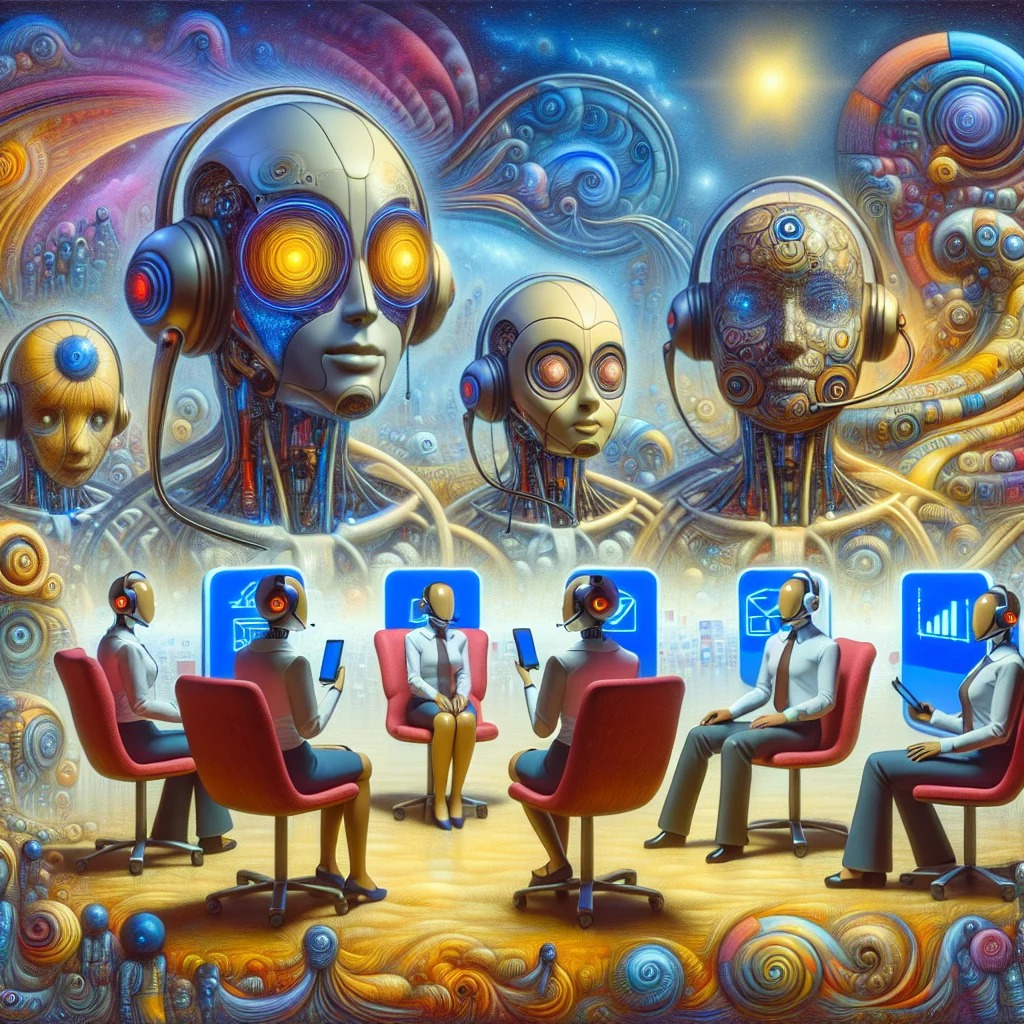
„Sean Combs: The Visionary Behind the Beat.”
Introduction
Sean Combs, also known by his stage names Puff Daddy, P. Diddy, and Diddy, is an influential American music producer, rapper, entrepreneur, and fashion mogul. Born on November 4, 1969, in Harlem, New York City, he rose to prominence in the 1990s with his innovative approach to hip-hop and R&B, founding Bad Boy Records and launching the careers of numerous artists, including The Notorious B.I.G. Combs is known for his dynamic musical style, blending various genres, and has received multiple awards, including Grammy Awards. Beyond music, he has made significant strides in business, with ventures in fashion, beverages, and media, establishing himself as a prominent figure in popular culture and a symbol of success in the entertainment industry.
The Influence of Sean Combs on Fashion Trends
Sean Combs, also known by his stage names Puff Daddy, P. Diddy, and Diddy, has made a significant impact on the music industry, but his influence extends far beyond the realm of hip-hop. As a multifaceted entrepreneur, Combs has played a pivotal role in shaping fashion trends over the past few decades. His unique style and innovative approach to branding have not only redefined personal aesthetics but have also influenced the broader landscape of fashion, making him a key figure in the intersection of music and style.
To begin with, Combs’ foray into fashion can be traced back to the 1990s when he first emerged as a prominent figure in the hip-hop scene. His early collaborations with established brands, such as his partnership with Sean John, showcased his ability to blend streetwear with high fashion. Launched in 1998, Sean John quickly gained recognition for its urban-inspired designs that appealed to a diverse audience. The brand’s success was not merely a reflection of Combs’ celebrity status; it was also indicative of a cultural shift where hip-hop began to influence mainstream fashion. Combs’ vision for Sean John was to create clothing that resonated with the aspirations of young people, and this approach helped to elevate streetwear into a legitimate fashion category.
Moreover, Combs’ personal style has often been characterized by a blend of luxury and casual wear, which has set trends that many have sought to emulate. His penchant for tailored suits, often paired with sneakers, has blurred the lines between formal and casual attire, encouraging a more relaxed approach to dressing. This fusion of styles has resonated with a generation that values comfort without sacrificing sophistication. As a result, many fashion enthusiasts and industry insiders have looked to Combs as a source of inspiration, further solidifying his status as a trendsetter.
In addition to his own brand, Combs has also been instrumental in promoting other designers and labels, thereby amplifying their visibility within the fashion community. His appearances at major fashion events, such as New York Fashion Week, have not only showcased his own designs but have also provided a platform for emerging talent. By championing diversity and inclusivity in fashion, Combs has encouraged a broader representation of styles and voices, which has enriched the industry as a whole. This commitment to fostering new talent has helped to create a more dynamic and innovative fashion landscape.
Furthermore, Combs’ influence extends to the realm of accessories and lifestyle branding. His collaborations with various brands have resulted in the creation of products that reflect his personal aesthetic while appealing to a wide audience. From fragrances to sunglasses, Combs has successfully leveraged his brand to create a lifestyle that resonates with consumers. This strategic approach to branding has not only enhanced his own image but has also set a precedent for other artists looking to expand their influence beyond music.
In conclusion, Sean Combs has undeniably left an indelible mark on the fashion industry. Through his innovative designs, unique personal style, and commitment to promoting diversity, he has redefined what it means to be a fashion icon in the modern era. As trends continue to evolve, Combs’ influence will likely persist, inspiring future generations to explore the dynamic relationship between music and fashion. His legacy serves as a testament to the power of creativity and the ability to transcend traditional boundaries, making him a pivotal figure in the ongoing narrative of style and culture.
Philanthropy and Social Initiatives by Sean Combs

Sean Combs, widely recognized for his multifaceted career as a music mogul, entrepreneur, and cultural icon, has also made significant contributions to philanthropy and social initiatives. His commitment to giving back to the community is evident through various programs and organizations that he has supported over the years. Combs has consistently utilized his platform to address pressing social issues, particularly those affecting marginalized communities.
One of the most notable aspects of Combs’ philanthropic efforts is his focus on education. Understanding that access to quality education is a fundamental right, he has invested in initiatives aimed at empowering young people. For instance, he established the Sean Combs Foundation, which provides scholarships and resources to students pursuing higher education. This foundation not only alleviates the financial burden on students but also encourages them to strive for academic excellence. By fostering educational opportunities, Combs aims to break the cycle of poverty and inspire the next generation of leaders.
In addition to education, Combs has been a vocal advocate for social justice. He has actively participated in campaigns addressing systemic racism and police brutality, using his influence to raise awareness and promote change. His involvement in movements such as Black Lives Matter underscores his commitment to fighting for equality and justice. By leveraging his celebrity status, Combs amplifies the voices of those who are often unheard, thereby fostering a greater understanding of the challenges faced by marginalized communities.
Moreover, Combs has demonstrated a strong commitment to health and wellness, particularly in the context of the COVID-19 pandemic. Recognizing the disproportionate impact of the virus on communities of color, he has partnered with various organizations to provide essential resources, including food, medical supplies, and financial assistance. His efforts to support frontline workers and vulnerable populations highlight his dedication to public health and community resilience. By addressing immediate needs during a crisis, Combs exemplifies the importance of solidarity and compassion in times of adversity.
Transitioning from health initiatives, Combs has also made strides in promoting economic empowerment. He has been a proponent of entrepreneurship within the Black community, advocating for increased access to capital and resources for aspiring business owners. Through initiatives such as the „Vote or Die” campaign, he has encouraged civic engagement and participation in the democratic process, emphasizing the importance of voting as a means of effecting change. By empowering individuals to take control of their economic futures, Combs contributes to the broader goal of achieving economic equity.
Furthermore, Combs’ philanthropic endeavors extend to the arts and culture. He has supported various programs that promote artistic expression and creativity among young people. By providing platforms for emerging artists, he fosters a sense of community and encourages cultural dialogue. This commitment to the arts not only enriches the cultural landscape but also serves as a means of healing and self-expression for individuals facing adversity.
In conclusion, Sean Combs’ philanthropic and social initiatives reflect a deep-seated commitment to making a positive impact on society. Through his focus on education, social justice, health, economic empowerment, and the arts, he has demonstrated that true leadership extends beyond personal success. By using his influence to uplift others, Combs embodies the spirit of giving back, inspiring countless individuals to join him in the pursuit of a more equitable and just world. His legacy is not only defined by his achievements in the entertainment industry but also by his unwavering dedication to philanthropy and social change.
Sean Combs and His Business Ventures
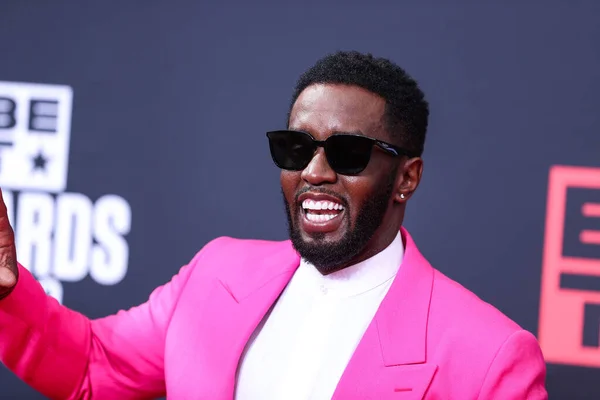
Sean Combs, also known by his stage names Puff Daddy, P. Diddy, and Diddy, has established himself as a multifaceted entrepreneur whose influence extends far beyond the realm of music. His business ventures reflect a keen understanding of market dynamics and consumer trends, allowing him to build a diverse portfolio that spans various industries. Combs’s journey into entrepreneurship began in the 1990s, shortly after he founded Bad Boy Entertainment, a record label that not only launched the careers of numerous artists but also set the stage for his future business endeavors.
As Bad Boy Entertainment gained prominence, Combs recognized the potential for brand expansion. He ventured into fashion with the launch of his clothing line, Sean John, in 1998. The brand quickly gained traction, earning accolades for its innovative designs and urban aesthetic. Sean John not only solidified Combs’s status as a fashion mogul but also demonstrated his ability to tap into the cultural zeitgeist. The success of the clothing line was further underscored when it won the prestigious Council of Fashion Designers of America (CFDA) Award for Menswear Designer of the Year in 2004, marking a significant milestone in Combs’s entrepreneurial journey.
Transitioning from fashion to the beverage industry, Combs made headlines with the launch of his Ciroc vodka brand in 2007. Recognizing the growing demand for premium spirits, he entered into a partnership with Diageo, a global leader in beverage alcohol. Combs’s marketing acumen played a crucial role in Ciroc’s rise to prominence, as he leveraged his celebrity status and social media presence to create a buzz around the brand. The campaign’s success was evident, as Ciroc became one of the fastest-growing vodka brands in the United States, further cementing Combs’s reputation as a savvy businessman.
In addition to fashion and spirits, Combs has also made significant strides in the media and entertainment sectors. He founded Revolt TV in 2013, a music-focused television network aimed at providing a platform for emerging artists and showcasing diverse musical genres. This venture not only reflects Combs’s commitment to promoting new talent but also highlights his understanding of the evolving media landscape. By creating a space for fresh voices, he has positioned Revolt TV as a key player in the industry, appealing to a younger demographic that craves authenticity and innovation.
Moreover, Combs’s entrepreneurial spirit extends to the health and wellness sector. In recent years, he has invested in various health-focused initiatives, including the launch of a plant-based food brand. This venture aligns with the growing trend towards healthier lifestyles and reflects Combs’s ability to adapt to changing consumer preferences. By diversifying his investments, he not only broadens his business portfolio but also contributes to a more sustainable future.
In conclusion, Sean Combs exemplifies the modern entrepreneur, seamlessly blending creativity with business acumen. His ventures in music, fashion, spirits, media, and health demonstrate a remarkable ability to identify and capitalize on emerging trends. As he continues to innovate and expand his influence, Combs remains a prominent figure in the business world, inspiring future generations of entrepreneurs to pursue their passions with determination and vision. Through his diverse array of ventures, he has not only built a formidable empire but has also left an indelible mark on popular culture and the business landscape.
The Evolution of Sean Combs’ Music Career
Sean Combs, also known by various monikers such as Puff Daddy, P. Diddy, and Diddy, has undergone a remarkable evolution in his music career, reflecting not only his personal growth but also the shifting landscape of the music industry. Emerging from the vibrant hip-hop scene of the early 1990s, Combs initially made his mark as a talent director at Uptown Records, where he honed his skills in artist development and production. His early work with artists like Mary J. Blige and Jodeci laid the groundwork for his future endeavors, showcasing his keen ear for blending hip-hop with R&B elements.
In 1993, Combs founded Bad Boy Records, a label that would become synonymous with the East Coast hip-hop revival. The release of The Notorious B.I.G.’s debut album, „Ready to Die,” in 1994 marked a pivotal moment in Combs’ career. The album not only catapulted Biggie to stardom but also established Bad Boy as a powerhouse in the music industry. Combs’ innovative production techniques, characterized by the incorporation of samples from classic soul and funk tracks, helped define the sound of the era. This period was marked by a series of successful releases, including hits like „Juicy” and „Mo Money Mo Problems,” which solidified Combs’ reputation as a formidable force in hip-hop.
As the 1990s progressed, Combs expanded his artistic vision beyond music. He ventured into fashion and entrepreneurship, launching the Sean John clothing line in 1998, which further diversified his brand. However, it was his musical endeavors that continued to capture public attention. In 1997, following the tragic death of The Notorious B.I.G., Combs faced a turning point in his career. Rather than retreating from the spotlight, he channeled his grief into creativity, releasing his debut album, „No Way Out,” in 1997. The album was a commercial success, featuring hits like „I’ll Be Missing You,” a tribute to Biggie that resonated deeply with fans and showcased Combs’ ability to blend personal experiences with universal themes.
Transitioning into the 2000s, Combs continued to evolve as an artist. He embraced a more diverse musical palette, collaborating with a wide range of artists across genres, including rock, pop, and dance music. This willingness to experiment was evident in his 2001 album, „The Saga Continues,” which featured collaborations with artists like Usher and Lil’ Kim. As the music industry began to shift towards digital platforms, Combs adapted by leveraging technology and social media to connect with fans, further solidifying his status as a cultural icon.
In the years that followed, Combs continued to release music while also focusing on his entrepreneurial ventures, including the successful Ciroc vodka brand. His ability to navigate the complexities of the music business while maintaining relevance in popular culture is a testament to his adaptability and vision. As he ventured into new projects, including television and film, Combs remained committed to his roots in music, consistently releasing new material and collaborating with emerging artists.
In conclusion, the evolution of Sean Combs’ music career is a reflection of his multifaceted talents and his ability to adapt to the ever-changing landscape of the entertainment industry. From his early days at Uptown Records to his status as a global icon, Combs has not only shaped the sound of hip-hop but has also redefined what it means to be an artist in the modern era. His journey serves as an inspiration to aspiring musicians and entrepreneurs alike, illustrating the power of creativity, resilience, and innovation.
Sean Combs’ Impact on Hip-Hop Culture
Sean Combs, also known by his stage names Puff Daddy, P. Diddy, and Diddy, has made an indelible mark on hip-hop culture since his emergence in the early 1990s. His influence extends beyond music, permeating various aspects of popular culture, fashion, and entrepreneurship. Combs began his career as an intern at Uptown Records, where he quickly ascended to the role of talent director. This position allowed him to cultivate relationships with artists and hone his skills in music production, ultimately leading to the founding of his own label, Bad Boy Records, in 1993. This pivotal move not only showcased his entrepreneurial spirit but also set the stage for a new era in hip-hop.
Under Combs’ leadership, Bad Boy Records became synonymous with the East Coast hip-hop scene, producing chart-topping hits and launching the careers of several influential artists, including The Notorious B.I.G. and Faith Evans. The partnership between Combs and B.I.G. was particularly significant, as it not only redefined the sound of hip-hop but also established a template for artist-producer collaborations that would influence the genre for years to come. The success of tracks like „Juicy” and „Mo Money Mo Problems” demonstrated Combs’ ability to blend hip-hop with elements of R&B and pop, thereby broadening the appeal of the genre and attracting a diverse audience.
Moreover, Combs’ impact on hip-hop culture is evident in his innovative approach to music videos and live performances. He recognized the importance of visual storytelling in enhancing the listener’s experience, often incorporating elaborate sets, choreography, and high-profile guest appearances. This emphasis on spectacle not only elevated the standard for music videos but also contributed to the overall branding of hip-hop artists. As a result, Combs helped to transform music videos into a vital marketing tool, paving the way for future artists to leverage visual media in their careers.
In addition to his contributions to music, Combs has played a significant role in shaping hip-hop fashion. His keen sense of style and ability to set trends have made him a prominent figure in the fashion world. From his early days in oversized suits and shiny accessories to his later ventures into streetwear with brands like Sean John, Combs has consistently pushed the boundaries of hip-hop aesthetics. His influence is evident in the way contemporary artists approach fashion, often viewing it as an extension of their artistic identity.
Furthermore, Combs’ entrepreneurial ventures have solidified his status as a cultural icon. He has successfully expanded his brand beyond music, launching ventures in television, film, and spirits, most notably with his Ciroc vodka partnership. This diversification not only showcases his business acumen but also highlights the potential for hip-hop artists to transcend the music industry and become multifaceted entrepreneurs. By doing so, Combs has inspired a new generation of artists to explore various avenues for success, reinforcing the idea that hip-hop can be a platform for broader cultural influence.
In conclusion, Sean Combs’ impact on hip-hop culture is profound and multifaceted. Through his innovative approach to music production, visual storytelling, fashion, and entrepreneurship, he has not only shaped the sound and style of hip-hop but has also redefined what it means to be a successful artist in the modern era. His legacy continues to inspire and influence artists across genres, ensuring that his contributions to hip-hop culture will be felt for generations to come.
Conclusion
Sean Combs, also known as Puff Daddy, Diddy, and P. Diddy, is a multifaceted American entrepreneur, music producer, and rapper. He has significantly influenced the music industry, particularly in hip-hop and R&B, through his innovative production techniques and successful record label, Bad Boy Records. Beyond music, Combs has expanded his brand into fashion, television, and beverages, showcasing his business acumen. His philanthropic efforts and advocacy for social issues further highlight his impact beyond entertainment. Overall, Sean Combs stands out as a prominent figure in contemporary culture, blending artistry with entrepreneurship.