„Jimmy Carter: Champion of Peace, Humanity, and Integrity.”
Introduction
James Earl Carter Jr., commonly known as Jimmy Carter, served as the 39th President of the United States from 1977 to 1981. Born on October 1, 1924, in Plains, Georgia, Carter was a peanut farmer and naval officer before entering politics. He began his political career in the Georgia State Senate and later became the Governor of Georgia from 1971 to 1975. As president, Carter was known for his emphasis on human rights, his efforts in brokering the Camp David Accords between Egypt and Israel, and his focus on energy policy and environmental conservation. After his presidency, Carter became a prominent global humanitarian, founding the Carter Center in 1982 to promote peace and health worldwide. His post-presidential work earned him the Nobel Peace Prize in 2002.
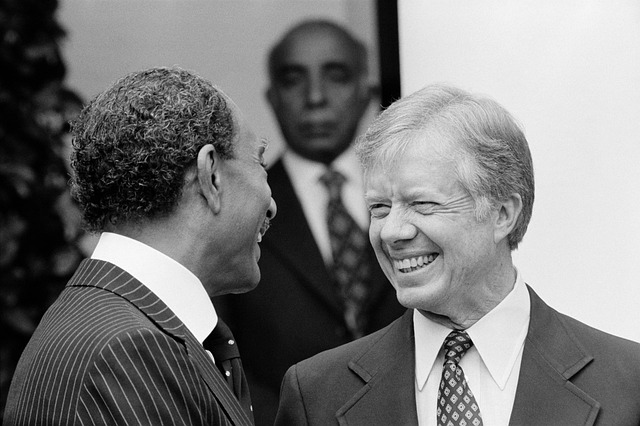
Lessons From Jimmy Carter’s Leadership Style And Values
Jimmy Carter, the 39th President of the United States, is often remembered not only for his time in office but also for his enduring commitment to humanitarian efforts and ethical leadership. His presidency, from 1977 to 1981, was marked by a distinctive leadership style that emphasized integrity, humility, and a deep sense of moral responsibility. These qualities have left a lasting impact on both domestic and international politics, offering valuable lessons for leaders across various fields.
One of the most notable aspects of Carter’s leadership was his unwavering commitment to human rights. During his presidency, he placed human rights at the forefront of American foreign policy, a move that was both bold and unprecedented at the time. This approach was evident in his efforts to broker peace in the Middle East, culminating in the Camp David Accords between Egypt and Israel. By prioritizing dialogue and diplomacy over aggression, Carter demonstrated that moral leadership could be a powerful tool in resolving complex international conflicts. This commitment to human rights extended beyond his presidency, as he continued to advocate for global health, democracy, and peace through the Carter Center, an organization he founded with his wife, Rosalynn.
In addition to his focus on human rights, Carter’s leadership style was characterized by a profound sense of humility and service. Unlike many of his predecessors and successors, Carter eschewed the trappings of power and prestige, often opting for a more modest and approachable demeanor. This was evident in his decision to walk during his inaugural parade rather than ride in a limousine, symbolizing his desire to remain connected to the American people. His humility was further reflected in his post-presidential life, where he returned to his roots in Plains, Georgia, and engaged in community service, including building homes with Habitat for Humanity. This dedication to service underscores the importance of leaders remaining grounded and connected to the communities they serve.
Moreover, Carter’s leadership was marked by a strong ethical compass and a commitment to transparency. He believed in the importance of honesty and accountability, both in his personal conduct and in government operations. This was exemplified by his efforts to address the energy crisis during his presidency, where he candidly communicated the challenges facing the nation and encouraged Americans to adopt more sustainable practices. By fostering an environment of trust and openness, Carter demonstrated that ethical leadership could inspire collective action and drive meaningful change.
Furthermore, Carter’s ability to adapt and learn from his experiences is another key lesson from his leadership. Despite facing significant challenges during his presidency, including economic difficulties and the Iran hostage crisis, he remained resilient and focused on finding solutions. His willingness to acknowledge mistakes and seek input from diverse perspectives highlights the importance of adaptability and continuous learning in effective leadership.
In conclusion, Jimmy Carter’s leadership style and values offer timeless lessons for leaders in any domain. His commitment to human rights, humility, ethical conduct, and adaptability serve as guiding principles for those seeking to lead with integrity and purpose. As we reflect on his legacy, it becomes clear that true leadership is not defined by the pursuit of power but by the impact one has on the lives of others and the world at large.
Jimmy Carter’s Post-Presidency: A Life Of Service And Advocacy
Jimmy Carter, the 39th President of the United States, has often been celebrated not only for his time in office but also for his extensive and impactful post-presidency. After leaving the White House in 1981, Carter embarked on a journey that would redefine the role of former presidents, dedicating his life to humanitarian efforts, diplomacy, and advocacy for human rights. His post-presidential years have been marked by a commitment to service that has left an indelible mark on both national and international communities.
One of the most significant contributions of Jimmy Carter’s post-presidency is the establishment of The Carter Center in 1982. Founded in partnership with Emory University, The Carter Center has been instrumental in advancing peace and health worldwide. Through this organization, Carter has worked tirelessly to promote democracy, mediate conflicts, and improve global health. The Center’s efforts in eradicating diseases such as Guinea worm disease and river blindness have been particularly noteworthy, showcasing Carter’s dedication to alleviating human suffering. These initiatives have not only saved countless lives but have also set a precedent for how former leaders can leverage their influence for global good.
In addition to his work with The Carter Center, Carter has been a staunch advocate for human rights. His commitment to this cause is evident in his efforts to monitor elections in emerging democracies, ensuring that the electoral processes are free and fair. By observing elections in countries such as Nicaragua, Venezuela, and Indonesia, Carter has played a crucial role in supporting democratic governance and empowering citizens to have a voice in their political systems. His advocacy extends beyond election monitoring, as he has consistently spoken out against human rights abuses and championed the rights of marginalized communities worldwide.
Moreover, Carter’s dedication to service is exemplified by his involvement with Habitat for Humanity. Since 1984, he and his wife, Rosalynn, have volunteered with the organization, helping to build and renovate homes for those in need. This hands-on approach to philanthropy underscores Carter’s belief in the power of community service and his desire to make a tangible difference in the lives of individuals. His work with Habitat for Humanity has inspired countless others to engage in volunteerism, further amplifying the impact of his efforts.
Transitioning from his humanitarian work, Carter has also been an influential voice in the realm of diplomacy. His experience as a former president has afforded him unique opportunities to engage in diplomatic missions, often serving as an unofficial envoy in conflict resolution efforts. Notably, his mediation in North Korea in the 1990s helped to ease tensions and open dialogue between the isolated nation and the international community. Carter’s diplomatic endeavors highlight his unwavering commitment to peace and his belief in the power of dialogue to resolve conflicts.
In conclusion, Jimmy Carter’s post-presidency is a testament to a life dedicated to service and advocacy. Through The Carter Center, his human rights work, involvement with Habitat for Humanity, and diplomatic efforts, Carter has demonstrated that the influence of a former president can extend far beyond the confines of political office. His legacy is one of compassion, action, and unwavering dedication to improving the human condition, serving as an enduring example of how leadership can be harnessed for the greater good.
The Carter Center: Promoting Peace And Health Worldwide
The Carter Center, established in 1982 by former U.S. President Jimmy Carter and his wife, Rosalynn, stands as a testament to their enduring commitment to promoting peace and health worldwide. This non-profit organization, based in Atlanta, Georgia, has become a beacon of hope and a catalyst for change in some of the most challenging regions across the globe. Through its multifaceted approach, the Center addresses critical issues such as disease eradication, conflict resolution, and the promotion of democratic governance, thereby embodying the Carters’ vision of a world where every individual can enjoy the basic rights of peace and health.
One of the most significant contributions of the Carter Center is its work in the field of global health. The Center has been at the forefront of efforts to eradicate diseases that disproportionately affect the world’s poorest populations. Notably, its Guinea Worm Eradication Program has achieved remarkable success, reducing the number of cases from an estimated 3.5 million in 1986 to just a handful today. This achievement is not only a testament to the Center’s dedication but also highlights the power of targeted interventions and community engagement in combating neglected tropical diseases. Furthermore, the Center’s initiatives extend to other health challenges, including efforts to control river blindness, trachoma, and lymphatic filariasis, thereby improving the quality of life for millions.
In addition to its health initiatives, the Carter Center plays a pivotal role in promoting peace and resolving conflicts. The Center’s Conflict Resolution Program works tirelessly to mediate disputes and foster dialogue in regions plagued by violence and political instability. By engaging with local leaders, governments, and international organizations, the Center seeks to address the root causes of conflict and build sustainable peace. This approach is exemplified by its involvement in mediating peace agreements in countries such as Sudan and Uganda, where its efforts have contributed to reducing hostilities and paving the way for reconciliation.
Moreover, the Carter Center is deeply committed to advancing democratic governance and human rights. Through its Democracy Program, the Center has observed over 110 elections in 39 countries, ensuring that electoral processes are free, fair, and transparent. By doing so, it helps to strengthen democratic institutions and empower citizens to participate in shaping their own futures. The Center’s work in this area underscores the belief that democracy is not merely a political system but a fundamental human right that must be protected and nurtured.
Transitioning from these specific initiatives, it is important to recognize the broader impact of the Carter Center’s work. By addressing health and peace in tandem, the Center acknowledges the interconnectedness of these issues and the necessity of a holistic approach to development. Healthier populations are better equipped to participate in democratic processes, and peaceful societies provide the stability needed for health initiatives to succeed. This synergy is at the heart of the Carter Center’s mission and is a driving force behind its continued efforts to create a more just and equitable world.
In conclusion, the Carter Center, under the leadership of Jimmy and Rosalynn Carter, has made significant strides in promoting peace and health worldwide. Its comprehensive approach to addressing some of the world’s most pressing challenges serves as an inspiring model for other organizations and underscores the profound impact that dedicated individuals can have on global well-being. As the Center continues its vital work, it remains a powerful testament to the enduring legacy of its founders and their unwavering commitment to a better world for all.
Jimmy Carter’s Presidency: Key Achievements And Challenges
Jimmy Carter’s presidency, spanning from 1977 to 1981, was marked by a series of significant achievements and formidable challenges that have shaped his legacy in American history. As the 39th President of the United States, Carter entered office with a commitment to restoring trust in government following the Watergate scandal and the Vietnam War. His administration focused on human rights, energy policy, and international diplomacy, while also grappling with economic difficulties and geopolitical tensions.
One of Carter’s most notable achievements was his emphasis on human rights as a cornerstone of American foreign policy. He believed that the United States should lead by example, promoting democratic values and human dignity worldwide. This commitment was evident in his administration’s efforts to address human rights abuses in countries such as Argentina and South Korea. Carter’s focus on human rights also played a crucial role in the negotiation of the Panama Canal Treaties, which transferred control of the canal from the United States to Panama, thereby improving relations with Latin America.
In addition to his human rights initiatives, Carter made significant strides in energy policy. Recognizing the growing dependence on foreign oil and the environmental impact of fossil fuels, he advocated for energy conservation and the development of alternative energy sources. The National Energy Act of 1978 was a landmark piece of legislation that aimed to reduce energy consumption and promote renewable energy. Carter’s emphasis on energy independence was prescient, as it laid the groundwork for future discussions on sustainable energy and climate change.
Carter’s presidency was also marked by his dedication to international diplomacy, most notably exemplified by the Camp David Accords. This historic peace agreement between Egypt and Israel, brokered by Carter in 1978, was a significant diplomatic achievement that earned him the Nobel Peace Prize in 2002. The accords not only established a framework for peace in the Middle East but also demonstrated Carter’s commitment to resolving conflicts through negotiation and dialogue.
However, Carter’s presidency was not without its challenges. Domestically, the United States faced economic difficulties characterized by high inflation, unemployment, and an energy crisis. These issues, often referred to as „stagflation,” posed significant obstacles to Carter’s economic policies and contributed to public dissatisfaction. Despite his efforts to address these problems through measures such as the creation of the Department of Energy and the implementation of wage and price controls, the economic situation remained a persistent challenge throughout his tenure.
On the international front, the Iranian hostage crisis was a defining moment of Carter’s presidency. In 1979, Iranian militants seized the American embassy in Tehran, taking 52 Americans hostage. The crisis lasted 444 days and dominated the final year of Carter’s presidency, ultimately contributing to his defeat in the 1980 election. The failed rescue mission, Operation Eagle Claw, further compounded the situation, highlighting the complexities and limitations of military intervention.
In conclusion, Jimmy Carter’s presidency was a period of both notable achievements and significant challenges. His commitment to human rights, energy policy, and international diplomacy left a lasting impact on American and global affairs. However, the economic difficulties and geopolitical crises of his administration underscored the complexities of governance during a tumultuous era. Despite these challenges, Carter’s post-presidency work, particularly through the Carter Center, has continued to influence and inspire efforts toward peace, health, and human rights worldwide.
Legacy Of Jimmy Carter: Humanitarian Efforts And Global Impact
Jimmy Carter, the 39th President of the United States, is often remembered not only for his time in office but also for his extensive humanitarian efforts and the global impact he has made since leaving the White House. His legacy is a testament to the power of dedication to human rights, peace, and development, transcending the traditional boundaries of political influence. Carter’s post-presidency years have been marked by a relentless pursuit of humanitarian causes, which have significantly shaped his enduring legacy.
After leaving office in 1981, Carter founded the Carter Center in 1982, an organization committed to advancing human rights and alleviating human suffering. The Center has been instrumental in addressing a wide range of global issues, from disease eradication to election monitoring. One of its most notable achievements is its role in the near-eradication of Guinea worm disease, a debilitating parasitic infection. Through the Center’s efforts, cases have plummeted from millions in the mid-1980s to just a handful today, showcasing Carter’s commitment to improving health outcomes in some of the world’s most impoverished regions.
In addition to health initiatives, Carter has been a staunch advocate for democracy and fair elections. The Carter Center has monitored over 100 elections in various countries, ensuring transparency and fairness in electoral processes. This work has been crucial in promoting democratic governance and stability in regions where electoral integrity is often compromised. Carter’s dedication to these efforts underscores his belief in the power of democracy as a tool for peace and development.
Moreover, Carter’s commitment to peace is evident in his diplomatic endeavors. He played a pivotal role in the Camp David Accords during his presidency, which laid the groundwork for peace between Egypt and Israel. This commitment to peace continued post-presidency, as he engaged in numerous diplomatic missions to mediate conflicts and promote dialogue. His efforts in North Korea, Haiti, and Sudan, among others, highlight his unwavering dedication to conflict resolution and peacebuilding.
Carter’s humanitarian work extends beyond political and health initiatives. He has been deeply involved in Habitat for Humanity, an organization that builds affordable housing for those in need. His hands-on approach, often seen physically participating in building projects, exemplifies his belief in service and community involvement. This work has not only provided shelter to countless families but also raised awareness about the importance of affordable housing worldwide.
Furthermore, Carter’s advocacy for human rights has been a cornerstone of his post-presidential career. He has consistently spoken out against human rights abuses and has worked tirelessly to promote social justice. His efforts have brought attention to issues such as racial discrimination, gender equality, and the rights of marginalized communities, reinforcing his commitment to creating a more equitable world.
In conclusion, Jimmy Carter’s legacy is defined by his profound humanitarian efforts and global impact. His work through the Carter Center, his advocacy for democracy and human rights, and his dedication to peace and development have left an indelible mark on the world. Carter’s life exemplifies the potential for a former head of state to continue influencing global affairs positively, demonstrating that leadership and service extend far beyond political office. His enduring commitment to these causes serves as an inspiration for future generations, highlighting the importance of compassion, dedication, and action in addressing the world’s most pressing challenges.
Conclusion
Jimmy Carter, the 39th President of the United States, served from 1977 to 1981 and is widely recognized for his commitment to human rights, environmental conservation, and diplomacy. His presidency was marked by significant achievements such as the Camp David Accords, which brokered peace between Egypt and Israel, and the establishment of the Department of Energy and the Department of Education. Despite facing challenges like the Iran hostage crisis and economic difficulties, Carter’s post-presidency has been distinguished by his humanitarian work through the Carter Center, focusing on global health, democracy, and conflict resolution. His legacy is characterized by a lifelong dedication to public service and advocacy for peace and human rights.