„Malaysia: Truly Asia’s Gem”
Introduction
Malaysia is a vibrant and diverse Southeast Asian nation known for its rich cultural tapestry, stunning natural landscapes, and dynamic economy. Comprising two distinct regions—Peninsular Malaysia and Malaysian Borneo—separated by the South China Sea, the country boasts a unique blend of Malay, Chinese, Indian, and indigenous influences. Its capital, Kuala Lumpur, is a bustling metropolis famous for the iconic Petronas Twin Towers, while the island of Penang and the city of Malacca offer glimpses into Malaysia’s colonial past. Renowned for its biodiversity, Malaysia is home to lush rainforests, pristine beaches, and unique wildlife, including orangutans and the Rafflesia, the world’s largest flower. As a melting pot of cultures, Malaysia celebrates a variety of festivals and culinary traditions, making it a captivating destination for travelers and a significant player in the region’s economic and cultural landscape.
The Rise Of Eco-Tourism In Malaysia

Malaysia, a Southeast Asian nation known for its rich cultural tapestry and stunning natural landscapes, has been increasingly recognized as a burgeoning hub for eco-tourism. This rise in eco-tourism is not only a testament to the country’s commitment to sustainable development but also a reflection of the global shift towards more environmentally conscious travel. As travelers become more aware of their ecological footprint, Malaysia’s diverse ecosystems, ranging from lush rainforests to pristine beaches, offer an attractive destination for those seeking to explore nature responsibly.
The Malaysian government has played a pivotal role in promoting eco-tourism by implementing policies that emphasize conservation and sustainable practices. For instance, the establishment of numerous national parks and protected areas has been instrumental in preserving the country’s unique biodiversity. These efforts are complemented by initiatives aimed at educating both locals and tourists about the importance of environmental stewardship. By fostering a culture of conservation, Malaysia is not only protecting its natural heritage but also ensuring that future generations can enjoy its beauty.
Moreover, the rise of eco-tourism in Malaysia has been bolstered by the active participation of local communities. Many indigenous groups, who have lived in harmony with nature for centuries, are now sharing their knowledge and traditions with visitors. This exchange not only enriches the tourist experience but also provides economic opportunities for these communities. By engaging in eco-tourism, local populations can benefit financially while preserving their cultural heritage and natural surroundings. This symbiotic relationship between tourism and community development is a cornerstone of Malaysia’s eco-tourism strategy.
In addition to community involvement, the private sector has also embraced eco-tourism, with many businesses adopting sustainable practices. Eco-friendly resorts and lodges have sprung up across the country, offering accommodations that minimize environmental impact while providing guests with an immersive nature experience. These establishments often incorporate renewable energy sources, waste reduction measures, and locally sourced materials, setting a standard for responsible tourism. By prioritizing sustainability, these businesses not only attract eco-conscious travelers but also contribute to the broader goal of environmental conservation.
Furthermore, Malaysia’s diverse landscapes provide a wide array of eco-tourism activities that cater to different interests. From trekking through the ancient rainforests of Borneo to diving in the crystal-clear waters of the Perhentian Islands, there is something for every nature enthusiast. These activities are designed to have minimal impact on the environment, ensuring that the natural beauty of these areas is preserved for future visitors. By offering such experiences, Malaysia is positioning itself as a leader in eco-tourism, appealing to a growing segment of travelers who prioritize sustainability.
As the global tourism industry continues to evolve, Malaysia’s commitment to eco-tourism sets it apart as a destination that values both its natural and cultural assets. The country’s efforts to balance economic growth with environmental preservation serve as a model for other nations seeking to develop their tourism sectors sustainably. By continuing to invest in eco-tourism, Malaysia is not only enhancing its appeal to international travelers but also safeguarding its natural treasures for generations to come. In this way, the rise of eco-tourism in Malaysia is not just a trend but a testament to the country’s dedication to a sustainable future.
A Guide To Malaysia’s Vibrant Festivals
Malaysia, a nation renowned for its cultural diversity, offers a vibrant tapestry of festivals that reflect its rich heritage and harmonious coexistence of various ethnic groups. These celebrations, deeply rooted in the traditions of the Malay, Chinese, Indian, and indigenous communities, provide a unique insight into the country’s cultural fabric. As one traverses the calendar year, the array of festivals showcases the unity and diversity that define Malaysia.
One of the most significant festivals is Hari Raya Aidilfitri, marking the end of Ramadan, the Islamic holy month of fasting. This festival is celebrated with great enthusiasm by the Malay-Muslim community. Families come together to seek forgiveness, share meals, and give thanks for the blessings they have received. The open house tradition, where friends and neighbors are invited to partake in the festivities, exemplifies the spirit of inclusivity and generosity. The vibrant attire, sumptuous feasts, and the sound of traditional music create an atmosphere of joy and gratitude.
Transitioning from the Malay-Muslim celebrations, the Chinese community in Malaysia observes the Lunar New Year with equal fervor. This festival, also known as Chinese New Year, is a time for family reunions, paying respects to ancestors, and ushering in prosperity and good fortune. The streets come alive with lion dances, fireworks, and the exchange of red packets, symbolizing luck and prosperity. The festival’s highlight is the Chap Goh Mei, marking the fifteenth day and the end of the New Year celebrations, often celebrated with lantern festivals and cultural performances.
In a seamless blend of cultural festivities, the Indian community celebrates Deepavali, the Festival of Lights. This Hindu festival signifies the triumph of light over darkness and good over evil. Homes are adorned with oil lamps and colorful rangoli designs, creating a warm and inviting ambiance. Families gather to perform prayers, share traditional sweets, and enjoy cultural performances. The festival’s essence lies in the spirit of togetherness and the hope for a brighter future.
Moreover, Malaysia’s indigenous communities contribute to the country’s festive landscape with unique celebrations such as Gawai Dayak and Kaamatan. Gawai Dayak, celebrated by the Dayak people of Sarawak, is a harvest festival that honors the rice spirit. It is a time of thanksgiving, marked by traditional music, dance, and the sharing of tuak, a rice wine. Similarly, Kaamatan, celebrated by the Kadazan-Dusun people of Sabah, is a harvest festival that pays homage to the rice goddess. The festival features traditional games, cultural performances, and the Unduk Ngadau beauty pageant, highlighting the community’s rich cultural heritage.
In addition to these major festivals, Malaysia hosts a myriad of other celebrations that reflect its multicultural identity. Thaipusam, celebrated by the Tamil community, is a Hindu festival dedicated to Lord Murugan, characterized by vibrant processions and acts of devotion. The Mid-Autumn Festival, celebrated by the Chinese community, is marked by mooncakes and lantern parades, symbolizing unity and harmony.
In conclusion, Malaysia’s festivals are a testament to the country’s cultural diversity and unity. Each celebration, with its unique customs and traditions, offers a glimpse into the lives and values of the various communities that call Malaysia home. These festivals not only preserve cultural heritage but also foster mutual respect and understanding among the nation’s diverse population. As one participates in these vibrant celebrations, it becomes evident that Malaysia’s festivals are more than just cultural events; they are a celebration of unity in diversity.
Malaysia’s Stunning Natural Landscapes

Malaysia, a Southeast Asian nation known for its rich cultural tapestry and vibrant cities, is equally celebrated for its stunning natural landscapes that captivate the hearts of travelers and nature enthusiasts alike. The country’s diverse topography, ranging from lush rainforests to pristine beaches, offers a myriad of experiences for those seeking to explore its natural beauty. As one delves into the verdant heart of Malaysia, the ancient rainforests stand as a testament to the country’s ecological wealth. The Taman Negara National Park, one of the world’s oldest rainforests, is a prime example. Spanning over 4,300 square kilometers, it is home to a vast array of flora and fauna, including the elusive Malayan tiger and the rare Sumatran rhinoceros. Visitors can traverse its dense canopy via a network of trails and canopy walkways, providing a unique vantage point to observe the vibrant ecosystem below.
Transitioning from the dense forests to the highlands, the Cameron Highlands offer a refreshing escape with their cool climate and rolling tea plantations. This region, with its picturesque landscapes, is reminiscent of a bygone colonial era, where visitors can enjoy leisurely strolls through tea gardens and indulge in the local tradition of afternoon tea. The highlands are also a haven for horticulturists, boasting an array of flower gardens and strawberry farms that add a splash of color to the verdant scenery.
Moving towards the coast, Malaysia’s islands and beaches present a different facet of its natural allure. The archipelago of Langkawi, with its turquoise waters and sandy shores, is a popular destination for those seeking sun and sea. Beyond its beaches, Langkawi is also known for its geological wonders, such as the Langkawi Geopark, where ancient rock formations and mangrove forests offer a glimpse into the island’s geological history. Similarly, the Perhentian Islands, located off the northeastern coast, are renowned for their crystal-clear waters and vibrant coral reefs, making them a paradise for snorkelers and divers.
In addition to its terrestrial wonders, Malaysia’s marine biodiversity is equally impressive. The waters surrounding Sipadan Island, located in the Celebes Sea, are teeming with marine life, including sea turtles, barracudas, and colorful coral gardens. This underwater haven is considered one of the world’s top diving destinations, attracting divers from around the globe who seek to explore its rich marine ecosystems.
Furthermore, Malaysia’s commitment to preserving its natural heritage is evident in its numerous conservation efforts. The establishment of protected areas and national parks ensures that these natural landscapes remain unspoiled for future generations. Initiatives such as the Sepilok Orangutan Rehabilitation Centre in Sabah highlight the country’s dedication to wildlife conservation, providing sanctuary and rehabilitation for orphaned and injured orangutans.
In conclusion, Malaysia’s stunning natural landscapes offer a diverse array of experiences that cater to all types of nature lovers. From the ancient rainforests and cool highlands to the idyllic beaches and vibrant marine life, the country’s natural beauty is both awe-inspiring and humbling. As Malaysia continues to balance development with conservation, its natural landscapes remain a vital part of its national identity, inviting visitors to explore and appreciate the wonders of this remarkable land.
The Rich Cultural Heritage Of Malaysia
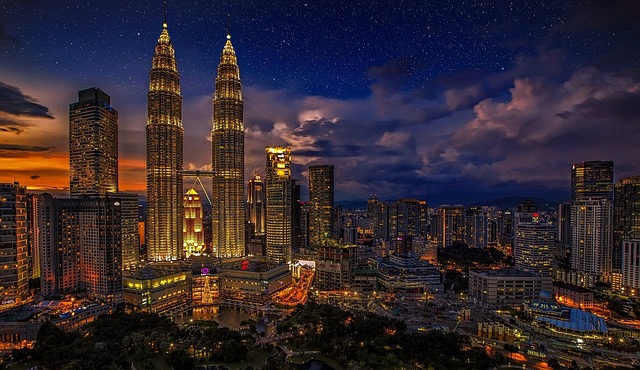
Malaysia, a Southeast Asian nation known for its diverse landscapes and vibrant cities, is a melting pot of cultures, traditions, and histories. This rich cultural heritage is a testament to the country’s unique position as a crossroads of civilizations, where indigenous traditions blend seamlessly with influences from China, India, the Middle East, and Europe. As one delves into the cultural tapestry of Malaysia, it becomes evident that this diversity is not only celebrated but also deeply ingrained in the nation’s identity.
To begin with, the ethnic composition of Malaysia is a primary contributor to its cultural richness. The three major ethnic groups—Malays, Chinese, and Indians—each bring their own customs, languages, and religious practices. The Malays, who are predominantly Muslim, form the largest ethnic group and have a significant influence on the national culture. Their traditions are reflected in the country’s official language, Bahasa Malaysia, and in various cultural practices, such as the celebration of Hari Raya Aidilfitri, which marks the end of Ramadan. Meanwhile, the Chinese community, primarily practicing Buddhism, Taoism, and Christianity, contributes to the cultural landscape with vibrant festivals like the Lunar New Year and the Mid-Autumn Festival. The Indian community, largely Hindu, enriches the cultural scene with colorful celebrations such as Deepavali and Thaipusam.
In addition to these major ethnic groups, Malaysia is home to numerous indigenous peoples, collectively known as the Orang Asli in Peninsular Malaysia and the Dayak and Kadazan-Dusun in East Malaysia. These communities maintain distinct cultural practices, languages, and beliefs, often centered around nature and ancestral traditions. Their unique crafts, music, and dances add another layer to Malaysia’s cultural mosaic, offering a glimpse into the country’s ancient past.
Moreover, Malaysia’s colonial history has left an indelible mark on its cultural heritage. The Portuguese, Dutch, and British each played a role in shaping the nation’s architecture, legal systems, and educational frameworks. The colonial influence is particularly evident in cities like Malacca and Penang, where historical buildings and sites reflect a blend of European and local architectural styles. These cities, recognized as UNESCO World Heritage Sites, serve as living museums that narrate the story of Malaysia’s colonial past and its journey towards independence.
Furthermore, Malaysia’s cultural heritage is also expressed through its culinary diversity. The nation’s cuisine is a delightful fusion of flavors and techniques, drawing from Malay, Chinese, Indian, and indigenous culinary traditions. Dishes such as nasi lemak, char kway teow, and roti canai are not only popular among locals but have also gained international recognition. Food festivals and night markets across the country offer a sensory experience that highlights the harmonious coexistence of different cultures.
In conclusion, the rich cultural heritage of Malaysia is a reflection of its historical interactions and the harmonious coexistence of its diverse communities. This cultural diversity is not only a source of national pride but also a vital component of Malaysia’s identity on the global stage. As the nation continues to develop and modernize, preserving and promoting its cultural heritage remains a priority, ensuring that future generations can appreciate and celebrate the unique tapestry that defines Malaysia.
Exploring Malaysia’s Diverse Culinary Scene
Malaysia, a vibrant Southeast Asian nation, is renowned for its rich cultural tapestry, which is vividly reflected in its diverse culinary scene. This gastronomic diversity is a testament to the country’s multicultural heritage, where Malay, Chinese, Indian, and indigenous influences converge to create a unique and tantalizing array of flavors. As one delves into the culinary landscape of Malaysia, it becomes evident that the country’s food is not merely sustenance but a celebration of its history and cultural amalgamation.
To begin with, the Malay influence is predominant in many traditional dishes, characterized by the use of aromatic herbs and spices. A quintessential example is Nasi Lemak, often considered the national dish. This fragrant rice dish, cooked in coconut milk and pandan leaves, is typically served with sambal, fried crispy anchovies, toasted peanuts, and hard-boiled or fried egg. The harmonious blend of flavors and textures in Nasi Lemak exemplifies the Malay culinary philosophy of balancing taste and aroma.
Transitioning to the Chinese influence, one cannot overlook the ubiquitous presence of street food, particularly in urban areas like Kuala Lumpur and Penang. Chinese-Malaysian cuisine is marked by its emphasis on noodles and rice dishes, with Char Kway Teow being a standout. This stir-fried noodle dish, made with flat rice noodles, prawns, cockles, bean sprouts, and Chinese chives, is cooked over high heat to impart a distinctive smoky flavor known as „wok hei.” The dish is a perfect representation of the Chinese culinary tradition of using fresh ingredients and precise cooking techniques to achieve complex flavors.
Moreover, the Indian influence in Malaysian cuisine is equally significant, with a variety of dishes that showcase the rich spices and bold flavors typical of Indian cooking. Roti Canai, a popular Indian-influenced flatbread, is a staple in Malaysian breakfasts. It is often served with dhal or curry, providing a hearty and flavorful start to the day. Additionally, Banana Leaf Rice, a meal where rice and assorted curries are served on a banana leaf, highlights the communal aspect of Indian dining, encouraging sharing and interaction.
In addition to these major influences, Malaysia’s indigenous communities contribute their own unique flavors to the culinary scene. The Kadazan-Dusun people of Sabah, for instance, offer dishes like Hinava, a raw fish salad marinated in lime juice, ginger, and chili, reflecting their connection to the land and sea. Similarly, the Iban community in Sarawak is known for dishes such as Manok Pansoh, chicken cooked in bamboo, which showcases traditional cooking methods that have been passed down through generations.
Furthermore, Malaysia’s culinary scene is continually evolving, with modern chefs and food enthusiasts experimenting with fusion cuisine, blending traditional flavors with contemporary techniques. This innovation ensures that while the roots of Malaysian cuisine remain firmly planted in its diverse cultural heritage, it also embraces new influences and ideas.
In conclusion, exploring Malaysia’s diverse culinary scene offers a window into the country’s rich cultural mosaic. Each dish tells a story of migration, adaptation, and innovation, reflecting the harmonious coexistence of different cultures. As Malaysia continues to grow and evolve, its culinary landscape remains a dynamic and integral part of its national identity, inviting locals and visitors alike to savor the myriad flavors that define this remarkable nation.
Conclusion
Malaysia is a Southeast Asian nation known for its rich cultural diversity, vibrant economy, and stunning natural landscapes. It is a constitutional monarchy with a unique blend of Malay, Chinese, Indian, and indigenous influences, which is reflected in its cuisine, festivals, and architecture. The country is divided into two main regions: Peninsular Malaysia and Malaysian Borneo, each offering distinct experiences from bustling cities like Kuala Lumpur to the rainforests of Sabah and Sarawak. Economically, Malaysia is one of the more developed countries in the region, with a strong manufacturing sector, particularly in electronics and palm oil production. Despite facing challenges such as political instability and environmental concerns, Malaysia continues to strive for growth and development, aiming to balance modernization with the preservation of its rich cultural heritage and natural resources.