„Philippines: Where Islands Meet Smiles and Adventure Awaits.”
Introduction
The Philippines, an archipelago in Southeast Asia, is composed of over 7,000 islands, offering a rich tapestry of cultural and natural diversity. Known for its stunning beaches, vibrant festivals, and warm hospitality, the country is a melting pot of influences, with a history shaped by indigenous traditions, Spanish colonization, and American governance. Its capital, Manila, is a bustling metropolis, while regions like Palawan and Boracay are renowned for their breathtaking landscapes. The Philippines is also home to a diverse array of flora and fauna, making it a haven for biodiversity. With a growing economy and a youthful population, the Philippines is a dynamic nation that continues to evolve while maintaining its unique cultural heritage.
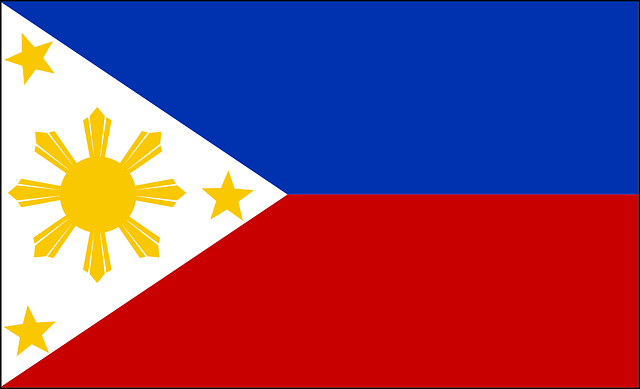
The Impact of Spanish Colonization on Philippine Architecture
The impact of Spanish colonization on Philippine architecture is a profound testament to the cultural and historical exchanges that have shaped the archipelago. When the Spanish arrived in the Philippines in the 16th century, they brought with them not only their religion and governance but also their architectural styles, which have left an indelible mark on the country’s built environment. This influence is evident in various structures, ranging from grand churches to civic buildings, which continue to stand as symbols of this colonial legacy.
Initially, the Spanish colonizers sought to establish their presence through the construction of religious edifices. The introduction of Christianity was a primary objective, and thus, churches became the focal point of many towns and cities. These structures were often built using local materials, but they adhered to European architectural styles, particularly the Baroque. The Baroque style, characterized by its grandeur, dramatic use of light and shadow, and intricate details, was adapted to suit the tropical climate and available resources. This adaptation resulted in a unique architectural style known as „Earthquake Baroque,” designed to withstand the frequent seismic activity in the region. The San Agustin Church in Manila, a UNESCO World Heritage Site, is a prime example of this style, showcasing massive buttresses and thick walls that have helped it endure numerous earthquakes over the centuries.
In addition to religious structures, Spanish colonization also influenced civic architecture. The establishment of the „plaza complex” became a hallmark of Spanish urban planning in the Philippines. This complex typically included a church, municipal hall, and market surrounding a central plaza, serving as the social and administrative hub of the town. The layout was not only practical but also symbolic, reflecting the central role of the church and state in colonial society. The city of Vigan, with its well-preserved colonial architecture, offers a glimpse into this urban planning approach. Its cobblestone streets and ancestral houses, with their distinct blend of Spanish and Asian architectural elements, provide a tangible connection to the past.
Moreover, the Spanish influence extended to residential architecture, particularly in the design of the „bahay na bato” or „house of stone.” This style evolved from the traditional Filipino „bahay kubo” or „nipa hut,” incorporating Spanish elements such as stone foundations and tiled roofs. The „bahay na bato” was typically a two-story structure, with the ground floor made of stone or brick and the upper floor constructed from wood. Large windows with „capiz” shell panes and intricate wooden carvings were common features, reflecting both aesthetic preferences and practical considerations for ventilation in the tropical climate.
As the Philippines transitioned from Spanish rule to American colonization and eventually to independence, these architectural influences continued to evolve. However, the Spanish colonial period remains a significant chapter in the country’s architectural history. Today, efforts to preserve and restore these historical structures are ongoing, recognizing their cultural and historical value. These buildings not only serve as reminders of the past but also as inspirations for contemporary Filipino architecture, which continues to draw from a rich tapestry of influences. In conclusion, the impact of Spanish colonization on Philippine architecture is a testament to the enduring legacy of cultural exchange, adaptation, and resilience that defines the nation’s history.
Discovering the Hidden Gems of the Philippine Islands
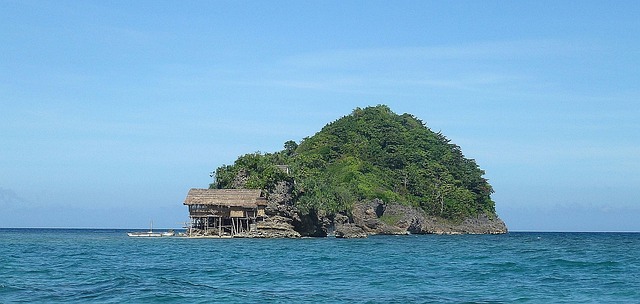
The Philippines, an archipelago of over 7,000 islands, is a nation rich in natural beauty, cultural diversity, and historical significance. While many travelers are familiar with popular destinations such as Boracay, Palawan, and Cebu, the country offers a plethora of hidden gems waiting to be discovered by those willing to venture off the beaten path. These lesser-known locales provide a unique glimpse into the Philippines’ diverse landscapes and vibrant cultures, offering experiences that are both enriching and unforgettable.
To begin with, the island of Siquijor, often shrouded in mystique and folklore, is a destination that captivates visitors with its enchanting beauty and tranquil atmosphere. Known for its pristine beaches, lush forests, and mystical traditions, Siquijor offers a serene escape from the hustle and bustle of more tourist-heavy areas. Visitors can explore the island’s natural wonders, such as the Cambugahay Falls and the Salagdoong Beach, or delve into its cultural heritage by visiting local healers and learning about the island’s age-old practices.
Transitioning from the mystical to the historical, the island of Batanes in the northernmost part of the Philippines presents a stark contrast with its dramatic landscapes and well-preserved heritage. The rolling hills, rugged cliffs, and traditional stone houses of Batanes create a picturesque setting that seems untouched by time. The Ivatan people, known for their resilience and hospitality, offer a warm welcome to those who make the journey to this remote paradise. Exploring Batanes provides insight into the unique cultural practices and architectural styles that have been preserved over centuries, making it a must-visit for history enthusiasts and nature lovers alike.
Moving southward, the island of Camiguin, often referred to as the „Island Born of Fire,” is another hidden gem that boasts a wealth of natural attractions. With its seven volcanoes, hot springs, and waterfalls, Camiguin offers a diverse range of activities for adventure seekers and nature enthusiasts. The Sunken Cemetery, a hauntingly beautiful site marked by a large cross rising from the sea, serves as a poignant reminder of the island’s volcanic past. Additionally, the annual Lanzones Festival celebrates the island’s bountiful harvest and showcases the vibrant culture and traditions of its people.
In the Visayas region, the island of Siargao has gained recognition as a premier surfing destination, yet it remains relatively untouched by mass tourism. Beyond its world-class waves, Siargao offers a laid-back atmosphere and a wealth of natural wonders, including the stunning Sugba Lagoon and the enchanting Sohoton Cove. The island’s burgeoning eco-tourism initiatives aim to preserve its pristine environment while providing sustainable livelihoods for local communities, making it an ideal destination for environmentally conscious travelers.
Finally, the province of Romblon, known for its marble industry, is home to some of the most beautiful and unspoiled beaches in the Philippines. The islands of Romblon, Tablas, and Sibuyan offer crystal-clear waters, vibrant marine life, and lush landscapes that are perfect for snorkeling, diving, and hiking. The simplicity and charm of Romblon’s rural communities provide a refreshing contrast to the more commercialized tourist spots, allowing visitors to experience the authentic Filipino way of life.
In conclusion, the hidden gems of the Philippine Islands offer a diverse array of experiences that cater to a wide range of interests. From mystical traditions and historical sites to natural wonders and cultural festivals, these lesser-known destinations provide a deeper understanding of the Philippines’ rich heritage and breathtaking beauty. As travelers seek out these hidden treasures, they contribute to the preservation of the country’s unique landscapes and cultures, ensuring that future generations can continue to enjoy the wonders of this remarkable archipelago.
The Rich Cultural Heritage of Filipino Cuisine
The rich cultural heritage of Filipino cuisine is a testament to the Philippines’ diverse history and the myriad influences that have shaped its culinary landscape. This archipelago, consisting of over 7,000 islands, has been a melting pot of cultures, each contributing unique flavors and techniques to the Filipino table. As a result, Filipino cuisine is a vibrant tapestry of indigenous traditions interwoven with Spanish, Chinese, American, and other international influences, creating a distinct and flavorful culinary identity.
To understand the depth of Filipino cuisine, one must first appreciate the indigenous ingredients and cooking methods that form its foundation. The use of native ingredients such as coconut, rice, and a variety of tropical fruits and vegetables is prevalent. Traditional cooking methods, including grilling, steaming, and fermenting, have been passed down through generations, preserving the essence of Filipino culinary practices. These methods are often employed in the preparation of staple dishes like „adobo,” a savory stew typically made with chicken or pork marinated in vinegar, soy sauce, and garlic, and „sinigang,” a sour soup that highlights the tangy flavors of tamarind or other sour fruits.
The Spanish colonization of the Philippines, which lasted for over three centuries, left an indelible mark on the country’s cuisine. Spanish influence is evident in dishes such as „lechon,” a whole roasted pig that is a centerpiece at festive gatherings, and „paella,” a rice dish that has been adapted to include local ingredients like seafood and native spices. The introduction of new ingredients such as tomatoes, potatoes, and chorizo during this period further enriched the Filipino culinary repertoire, blending seamlessly with existing flavors to create a unique fusion.
In addition to Spanish influences, Chinese culinary traditions have also played a significant role in shaping Filipino cuisine. The Chinese introduced noodles, soy sauce, and various stir-frying techniques, which have become integral to Filipino cooking. Dishes like „pancit,” a noodle dish that comes in numerous regional variations, and „lumpia,” a type of spring roll, are beloved staples that reflect this cultural exchange. These dishes are often served during celebrations, symbolizing longevity and prosperity.
The American occupation of the Philippines in the early 20th century introduced new food items and dining habits, further diversifying the Filipino palate. The influence of American cuisine is evident in the popularity of fast food and the incorporation of ingredients such as canned goods and processed meats into everyday meals. However, Filipinos have adapted these influences to suit local tastes, resulting in unique creations like „Filipino-style spaghetti,” which features a sweet tomato sauce and is often served with hot dogs or ground meat.
Despite these varied influences, Filipino cuisine remains deeply rooted in its cultural heritage, with each dish telling a story of the country’s history and the resilience of its people. The communal nature of Filipino dining, where meals are often shared among family and friends, underscores the importance of food as a means of connection and celebration. As the Philippines continues to evolve, its cuisine remains a vibrant reflection of its rich cultural tapestry, inviting both locals and visitors to savor the diverse flavors that define this remarkable culinary tradition.
A Guide to the Best Beaches in the Philippines
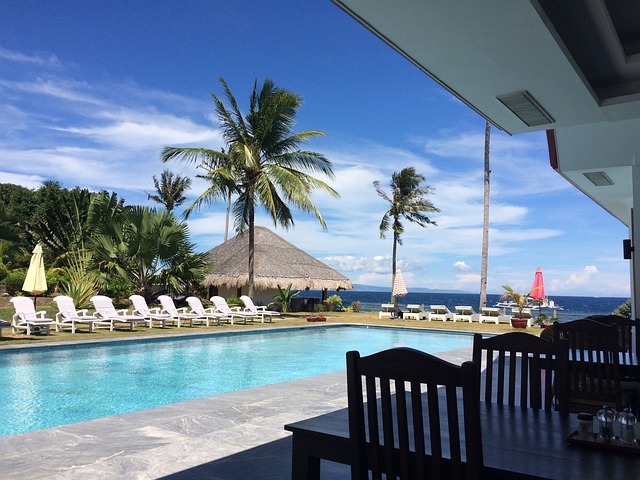
The Philippines, an archipelago of over 7,000 islands, is renowned for its stunning beaches, each offering a unique blend of natural beauty and cultural richness. With its pristine white sands, crystal-clear waters, and vibrant marine life, the Philippines is a paradise for beach lovers and adventure seekers alike. As you explore the best beaches in this tropical haven, you will discover a diverse array of landscapes and experiences that cater to every type of traveler.
To begin with, Boracay Island is often hailed as the crown jewel of Philippine beaches. Known for its powdery white sand and azure waters, White Beach in Boracay is a must-visit destination. This four-kilometer stretch of sand is divided into three stations, each offering a distinct atmosphere. Station 1 is known for its upscale resorts and tranquil ambiance, while Station 2 is the bustling heart of the island, teeming with restaurants, bars, and shops. Station 3, on the other hand, offers a more laid-back vibe, perfect for those seeking a quieter escape. Beyond its stunning shoreline, Boracay also offers a plethora of water activities, including snorkeling, scuba diving, and kite surfing, ensuring that visitors have a memorable experience.
Transitioning from the lively atmosphere of Boracay, Palawan offers a more serene and untouched beauty. El Nido, located in the northern part of Palawan, is famous for its dramatic limestone cliffs, hidden lagoons, and vibrant coral reefs. The Bacuit Archipelago, with its 45 islands and islets, provides a breathtaking backdrop for island-hopping tours. Visitors can explore secluded beaches, such as Nacpan Beach, known for its long stretch of golden sand and swaying coconut trees. Additionally, the crystal-clear waters of El Nido are perfect for snorkeling and diving, offering a glimpse into the rich marine biodiversity of the region.
Further south in Palawan, Coron is another gem that should not be missed. Known for its stunning underwater landscapes, Coron is a haven for divers. The area is famous for its World War II shipwrecks, which have become artificial reefs teeming with marine life. Barracuda Lake, with its unique thermocline and striking limestone formations, offers a one-of-a-kind diving experience. For those who prefer to stay above water, Kayangan Lake, often dubbed the cleanest lake in the Philippines, provides a tranquil setting for swimming and kayaking.
Moving to the central Visayas region, Panglao Island in Bohol is another destination that captivates visitors with its natural beauty. Alona Beach, with its fine white sand and clear waters, is a popular spot for both relaxation and adventure. The island is also a gateway to the famous Balicasag Island, a marine sanctuary known for its vibrant coral gardens and diverse marine life. Here, snorkeling and diving enthusiasts can encounter turtles, colorful fish, and even dolphins.
Finally, Siargao Island, located in the northeastern part of Mindanao, is a paradise for surfers. Known as the surfing capital of the Philippines, Siargao boasts the famous Cloud 9 wave, attracting surfers from around the world. Beyond surfing, the island offers a laid-back atmosphere, with its palm-fringed beaches and turquoise waters. Visitors can explore the natural beauty of the island through activities such as island hopping, visiting the enchanting Sohoton Cove, or simply relaxing on the pristine shores of Naked Island.
In conclusion, the Philippines offers a diverse array of beach destinations, each with its own unique charm and allure. Whether you seek adventure, relaxation, or a blend of both, the beaches of the Philippines promise an unforgettable experience, inviting you to immerse yourself in the natural beauty and warm hospitality of this tropical paradise.
Exploring the Vibrant Festivals of the Philippines
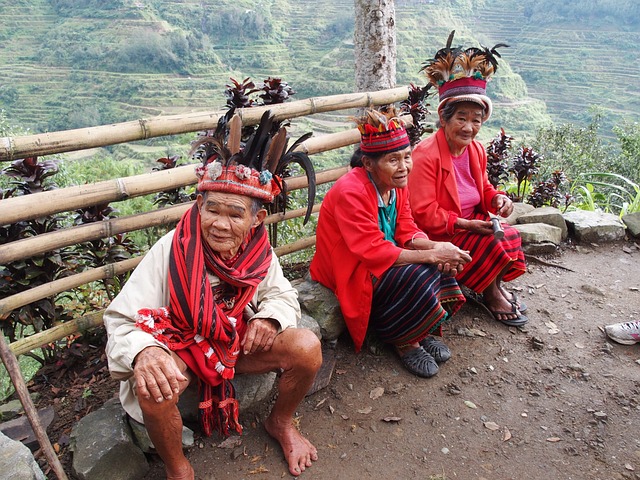
The Philippines, an archipelago of over 7,000 islands, is renowned for its rich cultural heritage and vibrant traditions. Among the most captivating aspects of Filipino culture are its festivals, which are celebrated with great enthusiasm and fervor across the nation. These festivals, deeply rooted in history and tradition, offer a unique glimpse into the diverse cultural tapestry of the Philippines. As one delves into the world of Filipino festivals, it becomes evident that they are not merely events but rather a reflection of the country’s identity and spirit.
To begin with, the Sinulog Festival, held annually in Cebu City, is one of the most famous and colorful festivals in the Philippines. Celebrated every third Sunday of January, Sinulog is a religious festival honoring the Santo Niño, or the Child Jesus. The festival is characterized by a grand parade featuring participants in vibrant costumes, dancing to the rhythmic beat of drums and native gongs. The dance, known as the Sinulog dance, is a ritual prayer-dance that commemorates the Filipino people’s conversion to Christianity. This festival not only showcases the deep religious devotion of the Filipinos but also highlights their love for music and dance.
Transitioning from Cebu to the northern part of the Philippines, the Panagbenga Festival in Baguio City is another spectacular event that draws both locals and tourists alike. Celebrated in February, Panagbenga, which means „season of blooming,” is a month-long festival that pays homage to the city’s beautiful flowers. The highlight of the festival is the grand float parade, where intricately designed floats adorned with a myriad of flowers traverse the streets of Baguio. This festival is a testament to the creativity and artistry of the Filipino people, as well as their deep appreciation for nature’s beauty.
Moving southward, the Kadayawan Festival in Davao City is a celebration of the region’s bountiful harvest and cultural heritage. Held every August, Kadayawan is a week-long festival that features a variety of events, including street dancing, floral floats, and indigenous music performances. The festival is a tribute to the indigenous tribes of Davao and their rich cultural traditions. It serves as a reminder of the importance of preserving and promoting the diverse cultural heritage of the Philippines.
In addition to these major festivals, the Philippines is home to numerous other celebrations that reflect the country’s regional diversity. For instance, the Ati-Atihan Festival in Kalibo, Aklan, is known for its lively street dancing and vibrant costumes. Participants paint their faces with black soot and don colorful tribal attire, paying homage to the indigenous Ati people. Similarly, the Pahiyas Festival in Lucban, Quezon, is a visual feast where houses are adorned with colorful decorations made from rice, fruits, and vegetables, celebrating the bountiful harvest.
In conclusion, the festivals of the Philippines are a vibrant expression of the country’s cultural richness and diversity. They offer a unique opportunity to experience the warmth and hospitality of the Filipino people, as well as their deep-rooted traditions and values. Through these festivals, the Philippines not only celebrates its past but also looks forward to a future where its cultural heritage continues to thrive and inspire. As one explores the myriad of festivals across the archipelago, it becomes clear that they are an integral part of the Filipino identity, weaving together history, tradition, and community in a colorful tapestry of celebration.
Conclusion
The Philippines is an archipelagic nation in Southeast Asia, known for its rich cultural heritage, diverse ecosystems, and vibrant economy. Comprising over 7,000 islands, it boasts stunning natural landscapes, including pristine beaches, lush mountains, and unique biodiversity. The country has a complex history influenced by indigenous cultures, Spanish colonization, and American governance, which has shaped its contemporary society. Economically, the Philippines has shown resilience and growth, driven by sectors such as services, manufacturing, and remittances from overseas Filipino workers. Despite challenges like political instability, natural disasters, and socio-economic disparities, the Philippines continues to strive for sustainable development and improved quality of life for its citizens. Its strategic location, youthful population, and rich resources position it as a significant player in regional and global affairs.