„Timeless Maestro: The Harmonious Genius of Johann Sebastian Bach”
Introduction
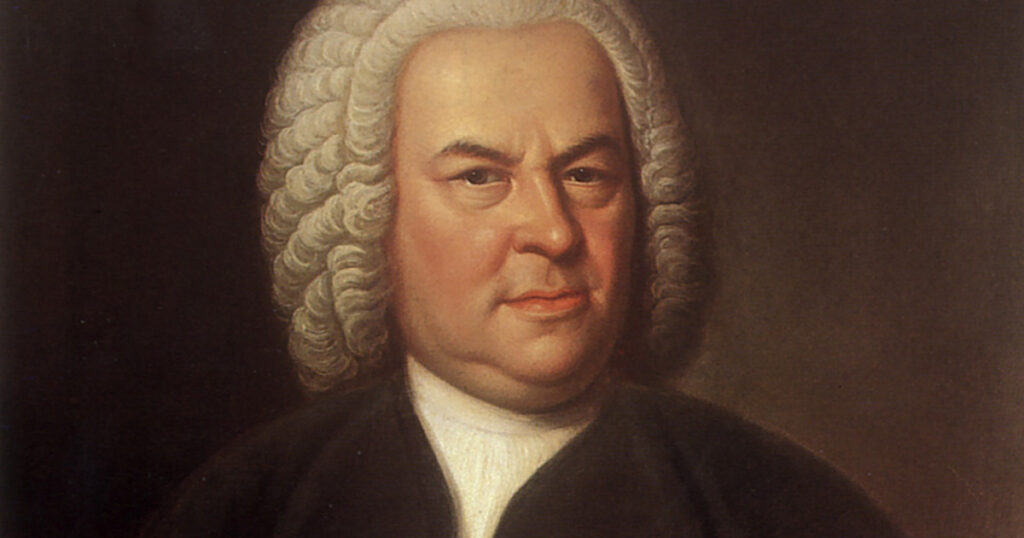
Johann Sebastian Bach, born on March 31, 1685, in Eisenach, Germany, was a prolific composer and musician of the Baroque period. Renowned for his intricate compositions and mastery of counterpoint, Bach’s work has had a profound influence on Western music. He came from a family of musicians and held various positions throughout his career, including roles as a court musician, organist, and music director. His vast body of work includes the Brandenburg Concertos, the Mass in B minor, and The Well-Tempered Clavier, among many others. Despite facing challenges during his lifetime, Bach’s music gained widespread recognition posthumously, cementing his legacy as one of the greatest composers in history.
Analyzing The Spiritual Depth In Bach’s Sacred Works
Johann Sebastian Bach, a towering figure in the history of Western music, is renowned for his profound contributions to the sacred music repertoire. His works, deeply rooted in the spiritual and theological traditions of his time, continue to resonate with audiences today, offering a rich tapestry of musical and spiritual depth. To fully appreciate the spiritual dimensions of Bach’s sacred compositions, one must consider the historical and religious context in which he composed, as well as the intricate musical techniques he employed to convey profound theological concepts.
Bach’s sacred works, particularly his cantatas, passions, and masses, are imbued with a deep sense of spirituality that reflects his devout Lutheran faith. The Lutheran tradition, with its emphasis on the centrality of scripture and the importance of music in worship, provided a fertile ground for Bach’s creative expression. His compositions often served as musical sermons, intended to illuminate the biblical texts and enhance the spiritual experience of the congregation. This is evident in his use of chorales, which were familiar hymn tunes that Bach harmonized and integrated into his larger works, creating a bridge between the congregation and the divine.
Moreover, Bach’s ability to convey complex theological ideas through music is unparalleled. He employed a variety of compositional techniques to achieve this, including the use of symbolism, counterpoint, and text painting. For instance, in his St. Matthew Passion, Bach uses musical motifs to represent different characters and themes, such as the descending chromatic line to symbolize suffering and lamentation. This not only enhances the emotional impact of the narrative but also invites the listener to engage with the spiritual message on a deeper level.
In addition to his technical prowess, Bach’s sacred music is characterized by its emotional depth and expressive power. His compositions often explore themes of redemption, grace, and the human condition, inviting listeners to reflect on their own spiritual journeys. The Mass in B Minor, for example, is a monumental work that transcends its liturgical origins to become a universal expression of faith and devotion. Through its intricate structure and profound musical language, the Mass in B Minor encapsulates the essence of Bach’s spiritual vision, offering a glimpse into the divine.
Furthermore, Bach’s sacred works are notable for their universality and timelessness. Despite being rooted in the specific religious and cultural context of 18th-century Germany, they continue to speak to audiences across different cultures and faiths. This is a testament to Bach’s ability to tap into the universal aspects of the human experience, using music as a vehicle for spiritual exploration and connection.
In conclusion, the spiritual depth of Johann Sebastian Bach’s sacred works lies in their ability to transcend the boundaries of time and place, offering listeners a profound encounter with the divine. Through his masterful use of musical techniques and his deep understanding of theological concepts, Bach created a body of work that continues to inspire and uplift, inviting us to explore the mysteries of faith and the human spirit. As we engage with his music, we are reminded of the enduring power of art to illuminate the spiritual dimensions of our lives, offering solace, inspiration, and a deeper understanding of our place in the world.
Johann Sebastian Bach’s Impact On Modern Music Education
Johann Sebastian Bach, a towering figure in the history of Western music, has left an indelible mark on modern music education. His influence extends far beyond the Baroque period, permeating contemporary teaching methods and curricula. To understand Bach’s impact on modern music education, it is essential to explore how his compositions and pedagogical approaches continue to shape the way music is taught and appreciated today.
Bach’s music is renowned for its complexity, technical demands, and emotional depth. These qualities make his works an integral part of music education, serving as both a challenge and an inspiration for students. His compositions, particularly the „Well-Tempered Clavier” and the „Brandenburg Concertos,” are frequently included in the syllabi of music conservatories and universities worldwide. These works are not only studied for their historical significance but also for their ability to develop a student’s technical proficiency and interpretative skills. By engaging with Bach’s music, students gain a deeper understanding of musical structure, harmony, and counterpoint, which are foundational elements in the study of Western classical music.
Moreover, Bach’s approach to composition and pedagogy has influenced modern teaching methods. His emphasis on counterpoint, the art of combining independent melodic lines, is a cornerstone of music theory education. Through the study of Bach’s fugues and chorales, students learn to appreciate the intricacies of voice leading and thematic development. This understanding is crucial for aspiring composers and performers, as it provides them with the tools to create and interpret complex musical works. Furthermore, Bach’s method of using music as a means of expression and communication encourages students to explore their own creativity and emotional depth.
In addition to his compositional techniques, Bach’s role as a teacher has had a lasting impact on music education. He was known for his rigorous teaching style, which emphasized discipline and precision. This approach is reflected in the way music is taught today, with a focus on technical mastery and attention to detail. Bach’s legacy as an educator is also evident in the numerous pedagogical works he composed, such as the „Inventions and Sinfonias” and the „Anna Magdalena Notebook.” These pieces are designed to develop a student’s technical skills while also fostering musical expression and creativity.
Furthermore, Bach’s music serves as a bridge between different musical traditions and cultures. His works have been adapted and reinterpreted in various genres, from jazz to rock, demonstrating their universal appeal and adaptability. This cross-cultural influence enriches music education by exposing students to a diverse range of musical styles and perspectives. By studying Bach’s music, students gain an appreciation for the interconnectedness of different musical traditions and the ways in which they can inform and enhance one another.
In conclusion, Johann Sebastian Bach’s impact on modern music education is profound and multifaceted. His compositions and pedagogical approaches continue to shape the way music is taught and understood, providing students with the skills and knowledge necessary to navigate the complexities of the musical world. Through the study of Bach’s music, students not only develop technical proficiency and theoretical understanding but also cultivate a deeper appreciation for the expressive power of music. As such, Bach’s legacy endures, inspiring generations of musicians and educators to explore the rich tapestry of musical expression and creativity.
The Baroque Genius: Understanding Bach’s Compositional Techniques
Johann Sebastian Bach, a towering figure in the Baroque era, is often celebrated for his profound influence on the development of Western music. His compositional techniques, characterized by intricate counterpoint, harmonic innovation, and structural clarity, have left an indelible mark on the musical landscape. To understand Bach’s genius, one must delve into the elements that define his work and explore how these techniques contribute to the enduring appeal of his music.
At the heart of Bach’s compositional style lies his mastery of counterpoint, a technique that involves the interweaving of independent melodic lines. This approach is exemplified in his fugues, where multiple voices enter successively, each imitating the initial theme while maintaining their distinct identities. The „Art of Fugue” and „The Well-Tempered Clavier” are quintessential examples of Bach’s contrapuntal prowess. Through these works, Bach demonstrates his ability to create complex yet coherent musical structures, where each voice contributes to a rich tapestry of sound. This intricate interplay not only showcases his technical skill but also evokes a sense of balance and order, qualities that resonate deeply with listeners.
In addition to counterpoint, Bach’s use of harmony is another defining feature of his compositions. He expanded the harmonic language of his time by employing bold modulations and chromaticism, which added emotional depth and intensity to his music. His chorales, in particular, reveal his innovative approach to harmony. By weaving together simple melodies with sophisticated harmonic progressions, Bach was able to convey profound spiritual and emotional narratives. This harmonic richness is evident in works such as the „St. Matthew Passion” and the „Mass in B Minor,” where the interplay of voices and instruments creates a powerful and moving experience.
Moreover, Bach’s structural clarity is a testament to his compositional genius. He often employed well-defined forms, such as the binary and ternary structures, to organize his musical ideas. This clarity is evident in his dance suites, where each movement adheres to a specific form while contributing to the overall unity of the suite. The „Brandenburg Concertos” further illustrate Bach’s ability to balance form and content, as he skillfully integrates solo and ensemble passages within a cohesive framework. This structural precision not only enhances the listener’s understanding of the music but also allows for a greater appreciation of its intricate details.
Furthermore, Bach’s ability to synthesize various musical influences is a hallmark of his compositional style. He drew inspiration from Italian, French, and German traditions, seamlessly blending these elements to create a unique and distinctive voice. This synthesis is particularly evident in his keyboard works, where the virtuosic flair of Italian concertos meets the elegance of French dance forms. By incorporating diverse influences, Bach was able to transcend the boundaries of his time and create music that speaks to universal human experiences.
In conclusion, Johann Sebastian Bach’s compositional techniques are a testament to his unparalleled genius. His mastery of counterpoint, innovative use of harmony, structural clarity, and ability to synthesize diverse influences have cemented his place as a pivotal figure in the history of music. Through his works, Bach not only shaped the course of Western music but also left a legacy that continues to inspire and captivate audiences worldwide. As we explore the intricacies of his compositions, we gain a deeper understanding of the timeless appeal and enduring significance of Bach’s music.
Exploring The Life And Legacy Of Johann Sebastian Bach
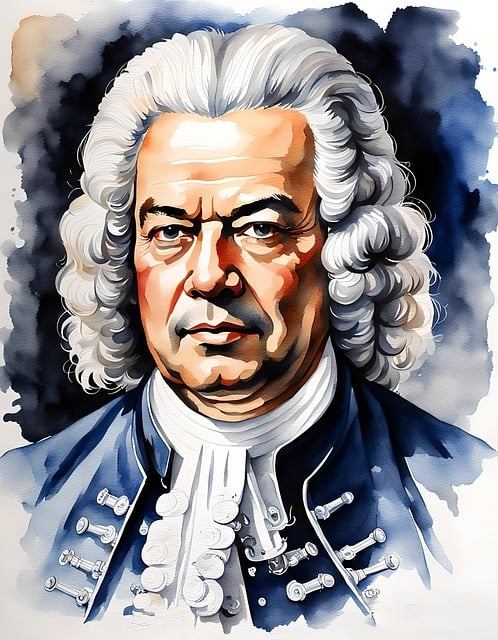
Johann Sebastian Bach, a towering figure in the history of Western music, was born on March 31, 1685, in Eisenach, Germany. His life and work have left an indelible mark on the world of music, influencing countless composers and musicians across generations. As we explore the life and legacy of this remarkable composer, it is essential to understand the context in which he lived and the profound impact he had on the development of music.
Bach hailed from a family with a rich musical heritage, which undoubtedly played a significant role in shaping his future. His father, Johann Ambrosius Bach, was a respected musician, and the Bach family had been known for their musical contributions for several generations. This environment provided young Johann Sebastian with a solid foundation in music from an early age. Following the death of his parents when he was just ten years old, Bach went to live with his older brother, Johann Christoph, who further nurtured his musical talents.
As Bach matured, he embarked on a career that would see him occupy various positions across Germany. His early appointments included roles as a court musician in Weimar and a church organist in Arnstadt and Mühlhausen. These positions allowed him to hone his skills as a composer and performer, gradually building a reputation for his exceptional talent. It was during his time in Weimar that Bach began to compose some of his most significant organ works, showcasing his mastery of the instrument and his innovative approach to composition.
In 1717, Bach accepted a position as Kapellmeister at the court of Prince Leopold of Anhalt-Köthen. This period proved to be highly productive for Bach, as he composed many of his instrumental masterpieces, including the Brandenburg Concertos and the Well-Tempered Clavier. The absence of liturgical duties at Köthen allowed Bach to focus on secular music, further expanding his compositional range and demonstrating his versatility.
Bach’s career took another significant turn in 1723 when he became the Thomaskantor in Leipzig, a position he held until his death in 1750. In Leipzig, Bach was responsible for the music at four churches, which required him to compose a vast amount of sacred music. It was here that he created some of his most enduring works, such as the St. Matthew Passion, the Mass in B minor, and numerous cantatas. These compositions not only reflect his deep religious faith but also his ability to convey profound emotion through music.
Despite his prodigious output and undeniable talent, Bach’s music was not widely recognized during his lifetime. It was not until the 19th century, when composers like Felix Mendelssohn began to champion his work, that Bach’s genius was fully appreciated. Today, his compositions are celebrated for their intricate counterpoint, emotional depth, and technical brilliance.
Bach’s legacy extends beyond his compositions; he was also a dedicated teacher who influenced future generations of musicians. His pedagogical works, such as the Inventions and Sinfonias, continue to be essential learning material for aspiring musicians. Moreover, his exploration of musical forms and structures laid the groundwork for subsequent developments in Western music.
In conclusion, Johann Sebastian Bach’s life and legacy are a testament to his extraordinary contributions to the world of music. His ability to blend technical mastery with profound emotional expression has ensured that his works remain timeless, continuing to inspire and captivate audiences worldwide. As we reflect on his remarkable achievements, it is clear that Bach’s influence will endure for generations to come.
The Influence Of Johann Sebastian Bach On Classical Music
Johann Sebastian Bach, a towering figure in the history of Western classical music, has left an indelible mark on the musical landscape. His influence extends far beyond his own era, permeating the works of countless composers who followed. To understand the breadth of Bach’s impact, it is essential to explore the various facets of his contributions to music, which continue to resonate with musicians and audiences alike.
Bach’s mastery of counterpoint, a technique involving the interweaving of independent melodic lines, is perhaps his most significant contribution to classical music. His ability to craft intricate fugues and complex canons set a new standard for compositional excellence. This skill is exemplified in works such as „The Art of Fugue” and „The Well-Tempered Clavier,” which remain quintessential studies for aspiring composers and performers. Through these compositions, Bach demonstrated how counterpoint could be both intellectually rigorous and emotionally expressive, a duality that has inspired generations of musicians.
Moreover, Bach’s influence is evident in the development of musical forms and structures. His exploration of the possibilities within the concerto, suite, and sonata forms laid the groundwork for later composers to expand upon. For instance, his Brandenburg Concertos are celebrated for their innovative use of instrumentation and form, showcasing a balance between soloists and ensemble that would become a hallmark of the concerto genre. This pioneering spirit encouraged subsequent composers, such as Mozart and Beethoven, to further explore and refine these forms, ultimately shaping the trajectory of Western classical music.
In addition to his compositional innovations, Bach’s work as an organist and keyboardist had a profound impact on the development of keyboard music. His compositions for organ and harpsichord, including the „Goldberg Variations” and numerous preludes and fugues, pushed the technical and expressive boundaries of these instruments. By doing so, he not only expanded the repertoire but also influenced the design and construction of keyboard instruments themselves. This legacy is evident in the works of later composers like Chopin and Liszt, who drew inspiration from Bach’s keyboard techniques and expressive capabilities.
Furthermore, Bach’s deep understanding of harmony and his ability to convey profound emotion through music have left a lasting impression on the art of composition. His chorales and sacred music, such as the „Mass in B Minor” and the „St. Matthew Passion,” exemplify his skill in blending harmonic richness with spiritual depth. These works continue to be revered for their ability to evoke a wide range of emotions, from solemn introspection to jubilant exultation. This emotional resonance has inspired composers across genres, from classical to contemporary, to explore the expressive potential of harmony in their own works.
In conclusion, Johann Sebastian Bach’s influence on classical music is both vast and enduring. His innovations in counterpoint, form, keyboard music, and harmony have shaped the course of Western music history, providing a foundation upon which countless composers have built. As musicians and audiences continue to engage with his works, Bach’s legacy remains a vital and inspiring force in the world of classical music, ensuring that his contributions will be celebrated for generations to come.
Conclusion
Johann Sebastian Bach was a seminal composer and musician of the Baroque period, whose work has had a profound and lasting impact on Western music. Renowned for his intricate compositions and mastery of counterpoint, Bach’s oeuvre includes a vast array of works, such as the „Brandenburg Concertos,” „Mass in B minor,” and „The Well-Tempered Clavier.” His music is celebrated for its intellectual depth, technical command, and artistic beauty, influencing countless composers and musicians across generations. Despite facing relative obscurity during his lifetime, Bach’s legacy has grown to establish him as one of the greatest composers in the history of classical music, revered for his contributions to the development of musical form and expression.