„Andorra: Where Majestic Mountains Meet Timeless Charm”
Introduction
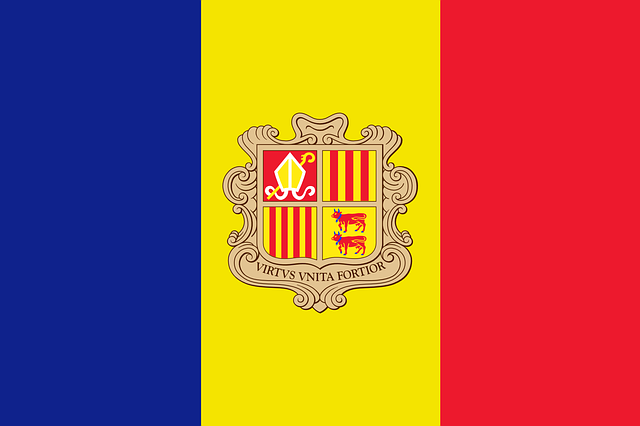
Nestled in the eastern Pyrenees mountains between France and Spain, Andorra is a small, landlocked principality renowned for its stunning natural landscapes and rich cultural heritage. Covering an area of just 468 square kilometers, it is one of the smallest countries in Europe. Despite its size, Andorra boasts a vibrant tourism industry, attracting visitors with its picturesque ski resorts, hiking trails, and duty-free shopping. The country is governed as a parliamentary co-principality, with the President of France and the Bishop of Urgell serving as its co-princes. Andorra’s unique blend of Catalan culture, historical sites, and modern amenities make it a fascinating destination for travelers seeking both adventure and relaxation.
The History And Significance Of Andorra’s National Festivals
Nestled in the heart of the Pyrenees between France and Spain, the small principality of Andorra is a nation rich in cultural heritage and tradition. Despite its modest size, Andorra boasts a vibrant tapestry of national festivals that reflect its unique history and cultural identity. These festivals are not only a celebration of Andorran culture but also serve as a testament to the resilience and unity of its people. Understanding the history and significance of these national festivals offers a window into the soul of this enchanting country.
One of the most significant festivals in Andorra is the Festa Major, celebrated in various parishes throughout the summer months. Each parish, or administrative division, hosts its own version of the festival, with the Festa Major d’Andorra la Vella being the most prominent. This festival is a lively celebration that includes traditional music, dance, and a variety of cultural activities. The origins of the Festa Major can be traced back to medieval times when communities would gather to honor their patron saints. Over the centuries, these gatherings evolved into the vibrant festivals we see today, serving as a reminder of Andorra’s deep-rooted Christian traditions and communal spirit.
Transitioning from religious to more secular celebrations, the Andorra la Vella Fair is another significant event in the national calendar. Held annually in October, this fair is a showcase of Andorran culture, commerce, and innovation. It provides a platform for local artisans and businesses to display their products, ranging from traditional crafts to modern technological innovations. The fair not only highlights the economic vitality of Andorra but also underscores the importance of community engagement and cultural exchange. It is a time when Andorrans come together to celebrate their achievements and look forward to future opportunities.
In addition to these major festivals, Andorra also celebrates its National Day, known as Our Lady of Meritxell Day, on September 8th. This day is dedicated to the Virgin of Meritxell, the patron saint of Andorra, and is a public holiday marked by religious ceremonies and cultural events. The significance of this day lies in its embodiment of Andorran national identity and unity. It is a time for reflection on the country’s history and a celebration of its sovereignty and independence. The devotion to Our Lady of Meritxell is deeply ingrained in Andorran culture, symbolizing protection and guidance for the nation.
Moreover, the Carnival of Encamp is another noteworthy festival that showcases the playful and creative side of Andorran culture. Celebrated in the days leading up to Lent, this carnival features colorful parades, elaborate costumes, and lively music. It is a time of joy and merriment, providing a stark contrast to the solemnity of the Lenten season that follows. The Carnival of Encamp reflects the influence of broader European traditions while maintaining a distinctly Andorran flavor, highlighting the country’s ability to blend external influences with its own cultural heritage.
In conclusion, the national festivals of Andorra are a reflection of the country’s rich history and cultural diversity. They serve as a bridge between the past and the present, offering insight into the values and traditions that have shaped Andorran society. Through these celebrations, Andorra not only honors its heritage but also fosters a sense of community and continuity, ensuring that its unique cultural identity is preserved for future generations.
Andorra’s Unique Cuisine: A Culinary Journey
Nestled in the heart of the Pyrenees between France and Spain, Andorra is a small yet captivating principality known for its stunning landscapes and rich cultural heritage. Among its many attractions, Andorra’s unique cuisine stands out as a delightful fusion of flavors and traditions, reflecting its geographical position and historical influences. This culinary journey through Andorra offers a glimpse into the principality’s gastronomic identity, which is as diverse as it is distinctive.
To begin with, Andorra’s cuisine is heavily influenced by its neighboring countries, France and Spain, yet it retains a unique character that sets it apart. The principality’s mountainous terrain and climate have historically dictated the types of ingredients available, leading to a cuisine that is both hearty and comforting. Traditional Andorran dishes often feature locally sourced ingredients such as game, pork, and seasonal vegetables, which are prepared using time-honored methods that have been passed down through generations.
One of the most iconic dishes in Andorran cuisine is „escudella,” a robust stew that epitomizes the essence of mountain cooking. This dish is typically enjoyed during the colder months and is made with a variety of meats, including pork, chicken, and sausage, combined with vegetables like potatoes, cabbage, and carrots. The ingredients are simmered together to create a rich and flavorful broth, which is often served with a side of „galets,” large pasta shells that add a satisfying texture to the meal. Escudella is not just a dish but a symbol of Andorran hospitality, often shared among family and friends during festive occasions.
Transitioning from hearty stews to lighter fare, Andorra also boasts a selection of dishes that highlight the freshness of its local produce. „Trinxat,” for example, is a simple yet delicious dish made from potatoes and cabbage, pan-fried with garlic and bacon until crispy. This dish reflects the rustic charm of Andorran cooking, where simplicity and quality ingredients take center stage. Similarly, „cargols a la llauna,” or snails cooked on a metal plate, is a popular delicacy that showcases the principality’s penchant for bold flavors. The snails are seasoned with herbs and spices, then grilled to perfection, offering a taste that is both earthy and aromatic.
In addition to its traditional dishes, Andorra’s cuisine is also characterized by its artisanal cheeses and cured meats, which are integral to the local diet. Cheeses such as „tupi” and „brossat” are made using traditional methods and are often enjoyed with a slice of crusty bread or as part of a larger meal. Meanwhile, cured meats like „xolís” and „donja” are celebrated for their rich flavors and are commonly served as appetizers or snacks.
As we explore Andorra’s culinary landscape, it becomes evident that the principality’s cuisine is a reflection of its history, geography, and cultural influences. The blend of French and Spanish culinary traditions, combined with the use of local ingredients, creates a unique gastronomic experience that is both diverse and deeply rooted in Andorran heritage. Whether savoring a hearty stew or indulging in artisanal cheeses, the flavors of Andorra offer a taste of the principality’s rich cultural tapestry, inviting visitors to embark on a culinary journey that is as memorable as it is delicious.
A Guide To Andorra’s Ski Resorts
Nestled in the heart of the Pyrenees between France and Spain, Andorra is a small yet captivating principality renowned for its stunning landscapes and world-class ski resorts. Despite its modest size, Andorra boasts an impressive array of ski facilities that attract winter sports enthusiasts from around the globe. The country’s unique geographical location and favorable climate conditions make it an ideal destination for skiing and snowboarding, offering a blend of natural beauty and modern amenities.
One of the most prominent ski areas in Andorra is Grandvalira, which stands as the largest ski resort in the Pyrenees and Southern Europe. Spanning over 210 kilometers of skiable terrain, Grandvalira is a haven for skiers of all levels. The resort is divided into several sectors, including Pas de la Casa, Grau Roig, Soldeu, El Tarter, Canillo, and Encamp, each offering distinct experiences and facilities. Pas de la Casa, for instance, is particularly popular among young skiers and snowboarders due to its vibrant après-ski scene and challenging slopes. Meanwhile, Soldeu and El Tarter are known for their family-friendly environments and excellent ski schools, making them ideal for beginners and families.
Transitioning to another notable destination, Vallnord is another key player in Andorra’s ski resort offerings. Vallnord is divided into two main areas: Pal-Arinsal and Ordino-Arcalis. Pal-Arinsal is favored for its accessibility and diverse range of slopes, catering to both novice and experienced skiers. The resort’s well-connected lift system ensures that visitors can easily explore the various runs and enjoy the breathtaking views of the surrounding mountains. On the other hand, Ordino-Arcalis is celebrated for its natural beauty and off-piste opportunities, attracting advanced skiers seeking a more adventurous experience. The resort’s commitment to preserving its pristine environment adds to its allure, providing a serene escape from the bustling crowds.
In addition to its exceptional skiing facilities, Andorra’s ski resorts are equipped with modern infrastructure and amenities designed to enhance the visitor experience. State-of-the-art ski lifts, well-maintained slopes, and comprehensive snowmaking systems ensure optimal skiing conditions throughout the season. Furthermore, the resorts offer a wide range of accommodation options, from luxurious hotels to cozy chalets, catering to diverse preferences and budgets. Many of these establishments provide direct access to the slopes, allowing guests to maximize their time on the snow.
Moreover, Andorra’s ski resorts are not limited to winter sports alone. They offer a plethora of activities and attractions that appeal to non-skiers as well. Visitors can indulge in spa treatments, explore charming mountain villages, or embark on guided snowshoeing tours to discover the region’s natural wonders. The principality’s rich cultural heritage is also evident in its traditional cuisine, which can be savored at numerous restaurants and mountain huts scattered across the resorts.
In conclusion, Andorra’s ski resorts present a compelling blend of natural beauty, modern amenities, and diverse activities, making them a premier destination for winter sports enthusiasts. Whether one seeks the thrill of challenging slopes or the tranquility of a snow-covered landscape, Andorra offers an unforgettable experience that caters to all tastes and preferences. As the snow blankets the Pyrenees each winter, this enchanting principality continues to captivate visitors with its charm and allure, solidifying its reputation as a top-tier ski destination.
The Best Hiking Trails In Andorra
Nestled in the heart of the Pyrenees, Andorra is a small yet captivating principality that offers a plethora of hiking opportunities for outdoor enthusiasts. Known for its stunning landscapes and diverse terrain, Andorra is a haven for those seeking to explore nature’s beauty on foot. The country’s well-maintained trails cater to hikers of all levels, from beginners to seasoned adventurers, making it an ideal destination for anyone looking to immerse themselves in the great outdoors.
One of the most popular hiking trails in Andorra is the Coma Pedrosa route, which leads to the highest peak in the country. Standing at an impressive 2,942 meters, Coma Pedrosa offers breathtaking panoramic views of the surrounding mountains and valleys. The trail, although challenging, rewards hikers with a sense of accomplishment and awe-inspiring vistas. As you ascend, the landscape transforms from lush forests to rocky terrain, providing a diverse hiking experience that showcases the natural beauty of Andorra.
Transitioning from the heights of Coma Pedrosa, the Madriu-Perafita-Claror Valley offers a different yet equally captivating hiking experience. Recognized as a UNESCO World Heritage site, this glacial valley is a testament to Andorra’s rich cultural and natural heritage. The trails here meander through picturesque meadows, ancient stone structures, and pristine forests, offering hikers a glimpse into the traditional way of life in the Pyrenees. The valley’s serene atmosphere and stunning scenery make it a must-visit for those seeking tranquility and a deeper connection with nature.
For those interested in a more leisurely hike, the Estanys de Tristaina trail is an excellent choice. This route takes hikers to a series of glacial lakes, each more beautiful than the last. The trail is relatively easy, making it suitable for families and those looking for a more relaxed hiking experience. As you make your way along the path, the crystal-clear waters of the lakes reflect the surrounding peaks, creating a mesmerizing landscape that is perfect for photography and quiet contemplation.
In addition to these well-known trails, Andorra boasts numerous lesser-known paths that offer unique perspectives of the country’s natural beauty. The Sorteny Valley Nature Park, for instance, is home to a rich variety of flora and fauna, making it a paradise for nature lovers. The park’s trails are well-marked and range from easy to moderate, allowing hikers to explore at their own pace while enjoying the vibrant colors and scents of the alpine meadows.
Moreover, the country’s commitment to preserving its natural environment ensures that hikers can enjoy these trails in their pristine state. Andorra’s dedication to sustainable tourism is evident in the careful maintenance of its hiking paths and the promotion of responsible outdoor practices. This commitment not only enhances the hiking experience but also helps protect the delicate ecosystems that make Andorra such a unique destination.
In conclusion, Andorra’s hiking trails offer something for everyone, from challenging ascents to leisurely walks through breathtaking landscapes. The principality’s diverse terrain and commitment to environmental preservation make it an ideal destination for hikers seeking adventure and tranquility. Whether you’re scaling the heights of Coma Pedrosa or exploring the serene beauty of the Madriu-Perafita-Claror Valley, Andorra promises an unforgettable hiking experience that will leave you with lasting memories of its natural splendor.
Exploring Andorra’s Rich Cultural Heritage
Nestled in the heart of the Pyrenees Mountains between France and Spain, Andorra is a small yet captivating principality that boasts a rich cultural heritage. Despite its modest size, Andorra offers a unique blend of influences from its neighboring countries, creating a distinct cultural tapestry that is both intriguing and diverse. As one delves into the cultural heritage of Andorra, it becomes evident that this nation is a treasure trove of history, tradition, and artistic expression.
To begin with, Andorra’s history is deeply intertwined with its geographical location. The principality’s strategic position has made it a crossroads of various cultures and civilizations over the centuries. This is reflected in its architecture, which showcases a harmonious blend of Romanesque, Gothic, and Baroque styles. The Romanesque churches scattered throughout the country are particularly noteworthy, with their simple yet elegant designs that have stood the test of time. These architectural gems not only serve as places of worship but also as symbols of Andorra’s enduring cultural legacy.
In addition to its architectural heritage, Andorra is home to a vibrant tradition of festivals and celebrations that highlight its cultural richness. One of the most significant events is the annual Festa Major, a summer festival that takes place in various towns and villages across the principality. This celebration is a lively display of Andorran culture, featuring traditional music, dance, and cuisine. The festival provides an opportunity for locals and visitors alike to immerse themselves in the customs and traditions that have been passed down through generations.
Moreover, Andorra’s cultural heritage is also reflected in its language and literature. Catalan, the official language of Andorra, is a vital component of the country’s identity. It is not only a means of communication but also a vehicle for preserving the nation’s history and traditions. Andorran literature, though not as widely known as that of its larger neighbors, offers a unique perspective on the human experience, often drawing inspiration from the principality’s stunning natural landscapes and historical events.
Furthermore, the arts play a significant role in Andorra’s cultural landscape. The principality is home to numerous museums and galleries that showcase a wide array of artistic expressions, from traditional crafts to contemporary art. The Andorra National Museum, for instance, houses an impressive collection of artifacts that chronicle the country’s history and cultural evolution. Additionally, the principality hosts various cultural events throughout the year, such as the Andorra International Jazz Festival, which attracts artists and audiences from around the world.
In conclusion, Andorra’s rich cultural heritage is a testament to its unique position as a melting pot of influences from both France and Spain. Its architectural marvels, vibrant festivals, linguistic traditions, and artistic endeavors all contribute to a cultural identity that is both distinct and dynamic. As one explores the cultural heritage of Andorra, it becomes clear that this small principality offers a wealth of experiences that are as diverse as they are enriching. Whether through its historical landmarks, lively celebrations, or artistic expressions, Andorra invites visitors to discover and appreciate the depth and breadth of its cultural legacy.
Conclusion
Andorra, a small landlocked principality nestled in the eastern Pyrenees mountains between France and Spain, is known for its picturesque landscapes, thriving tourism industry, and status as a tax haven. Despite its limited size, Andorra boasts a high standard of living, with a strong economy primarily driven by tourism, banking, and retail. The country is renowned for its ski resorts, hiking trails, and duty-free shopping, attracting millions of visitors annually. Politically, Andorra is a unique co-principality, with the President of France and the Bishop of Urgell serving as its co-princes, reflecting its historical ties to both neighboring countries. While not a member of the European Union, Andorra maintains a close relationship with the EU, using the euro as its de facto currency. The principality’s commitment to preserving its cultural heritage, coupled with its modern economic practices, positions Andorra as a distinctive blend of tradition and modernity in the heart of Europe.