„Angola: Where Nature’s Beauty Meets Cultural Richness.”
Introduction
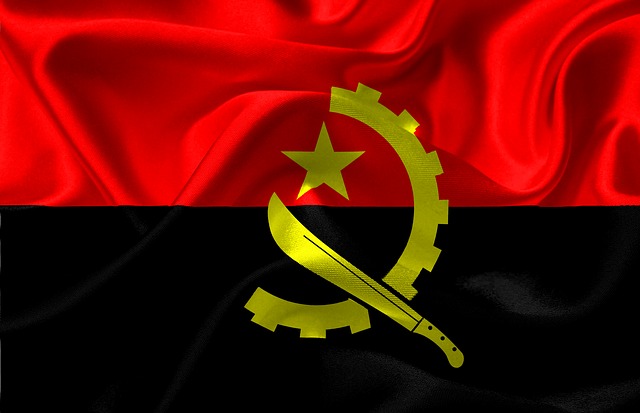
Angola, located on the southwestern coast of Africa, is a country rich in natural resources and cultural diversity. Bordered by Namibia to the south, the Democratic Republic of the Congo to the north, and Zambia to the east, Angola boasts a vast and varied landscape that includes savannas, tropical rainforests, and a stunning Atlantic coastline. The capital city, Luanda, is a bustling port city that serves as the economic and cultural heart of the nation. Angola’s history is marked by Portuguese colonization, which lasted for several centuries until the country gained independence in 1975. Following independence, Angola endured a prolonged civil war that lasted until 2002, significantly impacting its development. Today, Angola is one of Africa’s largest oil producers, and its economy is heavily reliant on petroleum exports. Despite its wealth in resources, the country faces challenges such as poverty, infrastructure development, and political stability. Angola’s rich cultural heritage is reflected in its music, dance, and art, with influences from various ethnic groups, including the Ovimbundu, Kimbundu, and Bakongo peoples.
The History and Impact of Angola’s Independence Movement
Angola’s journey to independence is a compelling narrative of resilience, struggle, and transformation. The history of Angola’s independence movement is deeply intertwined with the broader context of African decolonization, reflecting both the unique challenges faced by the nation and the universal aspirations for self-determination that swept across the continent in the mid-20th century. Understanding this movement requires an exploration of the historical, political, and social factors that shaped Angola’s path to sovereignty.
The roots of Angola’s independence movement can be traced back to the early 20th century, during which the country was under Portuguese colonial rule. The Portuguese presence in Angola began in the late 15th century, but it was not until the 19th century that they established a firm colonial administration. This period was marked by the exploitation of Angola’s natural resources and the imposition of harsh labor practices on the indigenous population. As a result, discontent simmered beneath the surface, laying the groundwork for future resistance.
The mid-20th century witnessed a wave of decolonization across Africa, and Angola was no exception. The rise of nationalist movements was fueled by a combination of internal and external factors. Internally, the oppressive colonial policies and the denial of basic rights to the Angolan people galvanized resistance. Externally, the global geopolitical climate, particularly the Cold War, played a significant role in shaping the independence movement. The ideological battle between the United States and the Soviet Union often found expression in African liberation struggles, with both superpowers seeking to expand their influence on the continent.
In Angola, the struggle for independence was spearheaded by several nationalist groups, each with its own vision for the country’s future. The most prominent among these were the Popular Movement for the Liberation of Angola (MPLA), the National Front for the Liberation of Angola (FNLA), and the National Union for the Total Independence of Angola (UNITA). These groups, while united in their opposition to Portuguese rule, were divided along ideological and ethnic lines, which would later complicate the post-independence political landscape.
The armed struggle for independence began in earnest in 1961, marking the start of a protracted and brutal conflict known as the Angolan War of Independence. This war was characterized by guerrilla warfare, with nationalist forces launching attacks against Portuguese military installations and infrastructure. The conflict drew international attention, with the MPLA receiving support from the Soviet Union and Cuba, while the FNLA and UNITA were backed by the United States and South Africa.
After years of intense fighting and mounting international pressure, Portugal’s Carnation Revolution in 1974 led to a shift in policy towards its African colonies. The new Portuguese government was committed to decolonization, and negotiations with Angolan nationalist groups culminated in the Alvor Agreement of 1975. This agreement paved the way for Angola’s formal independence on November 11, 1975. However, the euphoria of independence was short-lived, as the ideological and ethnic divisions among the nationalist groups erupted into a civil war that would last for decades.
The impact of Angola’s independence movement is profound and multifaceted. On one hand, it represents a triumph of the Angolan people’s determination to assert their sovereignty and identity. On the other hand, the subsequent civil war underscored the complexities of nation-building in a post-colonial context. Despite these challenges, Angola’s independence movement remains a testament to the enduring spirit of resistance and the quest for self-determination that continues to inspire struggles for freedom around the world.
Traditional Angolan Cuisine: A Culinary Journey
Angola, a country rich in cultural diversity and history, offers a culinary landscape that is as vibrant and varied as its people. Traditional Angolan cuisine is a reflection of the country’s complex history, influenced by indigenous ingredients and cooking methods, as well as Portuguese colonialism. This fusion of flavors and techniques has resulted in a unique gastronomic experience that is both intriguing and satisfying.
At the heart of Angolan cuisine lies the use of fresh, local ingredients. Staples such as cassava, maize, and beans form the foundation of many dishes, providing a hearty base that is both nutritious and versatile. Cassava, in particular, is a crucial component, often transformed into funge, a type of porridge that accompanies many meals. This dish, while simple, is a testament to the resourcefulness and adaptability of Angolan cooking, as it can be paired with a variety of sauces and stews to create a satisfying meal.
Moreover, seafood plays a significant role in the Angolan diet, especially along the coastal regions. The Atlantic Ocean provides an abundance of fish, shrimp, and lobster, which are often grilled or stewed with aromatic spices and herbs. One popular dish is caldeirada de peixe, a fish stew that combines the freshness of the sea with the warmth of spices, creating a comforting and flavorful experience. This dish exemplifies the harmonious blend of indigenous and Portuguese influences, as it incorporates both local ingredients and European cooking techniques.
In addition to seafood, meat is also a prominent feature in Angolan cuisine. Chicken, goat, and beef are commonly used, often marinated in a mixture of garlic, chili, and lemon before being grilled or stewed. Muamba de galinha, a chicken stew made with palm oil, garlic, and okra, is a beloved dish that showcases the rich and bold flavors characteristic of Angolan cooking. The use of palm oil, a staple in many African cuisines, adds a distinct depth and richness to the dish, highlighting the importance of traditional ingredients in Angolan culinary practices.
Furthermore, the influence of Portuguese colonization is evident in the use of certain ingredients and cooking methods. For instance, the introduction of spices such as paprika and bay leaves has added new dimensions to traditional dishes, while the practice of marinating meats reflects European culinary techniques. This blend of influences has resulted in a cuisine that is both diverse and cohesive, offering a unique taste of Angola’s cultural heritage.
Desserts in Angola are often simple yet satisfying, with tropical fruits such as mangoes, papayas, and bananas taking center stage. These fruits are sometimes served fresh or incorporated into sweet dishes like doce de ginguba, a peanut candy that provides a delightful contrast to the savory flavors of the main meal. The use of local fruits and nuts in desserts highlights the resourcefulness of Angolan cooks, who make the most of the abundant natural resources available to them.
In conclusion, traditional Angolan cuisine is a rich tapestry of flavors and influences, reflecting the country’s diverse cultural heritage. From the hearty staples of cassava and maize to the fresh seafood and bold spices, Angolan cooking offers a culinary journey that is both unique and deeply rooted in tradition. As one explores the varied dishes and flavors of Angola, it becomes clear that this cuisine is not only a reflection of the country’s past but also a celebration of its vibrant present.
Angola’s Economic Growth and Development Opportunities
Angola, a nation rich in natural resources and cultural diversity, has been experiencing significant economic growth and development opportunities in recent years. This growth is largely attributed to its abundant oil reserves, which have positioned Angola as one of Africa’s leading oil producers. However, the country’s economic landscape is evolving, with efforts to diversify beyond oil and foster sustainable development. As Angola continues to navigate its economic trajectory, understanding the factors contributing to its growth and the opportunities that lie ahead is crucial.
To begin with, Angola’s oil sector has been the cornerstone of its economy, accounting for a substantial portion of the country’s GDP and export revenues. The government’s strategic investments in oil infrastructure and partnerships with international oil companies have bolstered production capabilities, thereby enhancing Angola’s position in the global energy market. Nevertheless, the volatility of oil prices and the finite nature of fossil fuels have prompted the Angolan government to explore alternative avenues for economic growth. This shift is not only a response to global energy trends but also a recognition of the need for a more resilient and diversified economy.
In light of this, Angola has been making concerted efforts to develop other sectors, such as agriculture, mining, and manufacturing. The agricultural sector, in particular, holds significant potential due to the country’s vast arable land and favorable climate. By investing in modern farming techniques and infrastructure, Angola aims to increase agricultural productivity and reduce its dependence on food imports. This initiative is expected to create employment opportunities, enhance food security, and contribute to rural development.
Moreover, the mining sector presents another promising avenue for economic diversification. Angola is endowed with a wealth of mineral resources, including diamonds, gold, and rare earth elements. The government has been working to attract foreign investment and improve regulatory frameworks to facilitate the exploration and extraction of these resources. By capitalizing on its mineral wealth, Angola seeks to generate additional revenue streams and stimulate industrial growth.
In addition to sectoral diversification, Angola is focusing on improving its business environment to attract both domestic and international investors. Reforms aimed at enhancing transparency, reducing bureaucratic hurdles, and strengthening legal frameworks have been implemented to create a more conducive environment for business operations. These efforts are complemented by investments in infrastructure development, such as transportation networks and energy supply, which are essential for supporting economic activities and connecting Angola to regional and global markets.
Furthermore, Angola’s young and dynamic population presents a unique opportunity for economic growth. By investing in education and skills development, the country can harness the potential of its human capital to drive innovation and entrepreneurship. Initiatives aimed at promoting vocational training and higher education are crucial for equipping the workforce with the skills needed to thrive in a diversified economy.
In conclusion, Angola’s economic growth and development opportunities are shaped by its strategic efforts to diversify beyond oil and create a sustainable economic model. By leveraging its natural resources, improving the business environment, and investing in human capital, Angola is poised to achieve long-term economic stability and prosperity. As the country continues on this path, it will be essential to balance economic ambitions with social and environmental considerations to ensure inclusive and sustainable development for all Angolans.
The Untamed Beauty of Angola’s Natural Landscapes
Angola, a country often overshadowed by its more frequently visited African neighbors, boasts a wealth of natural landscapes that remain largely untamed and unexplored. This Southern African nation, with its diverse ecosystems and rich biodiversity, offers a unique tapestry of natural beauty that captivates the imagination of those fortunate enough to experience it. From its vast savannas to its lush rainforests, Angola’s landscapes are as varied as they are breathtaking.
To begin with, the country’s coastline stretches over 1,600 kilometers along the Atlantic Ocean, providing a stunning array of beaches and coastal ecosystems. The Benguela Current, which flows along this coast, supports a rich marine life, making it a haven for fishing and a potential hotspot for ecotourism. The coastal city of Namibe, with its dramatic cliffs and pristine beaches, serves as a gateway to the Namib Desert, one of the oldest deserts in the world. This desert, with its towering sand dunes and unique flora and fauna, offers a stark yet mesmerizing contrast to the lushness found elsewhere in the country.
Transitioning from the coast to the interior, Angola’s landscape transforms into expansive savannas and grasslands. The Moxico Province, for instance, is characterized by its open plains and is home to a variety of wildlife, including elephants, lions, and antelopes. These savannas are part of the larger Miombo woodland ecosystem, which extends across several countries in Southern Africa. The woodlands are not only vital for wildlife but also play a crucial role in the livelihoods of local communities, who rely on them for resources such as firewood and medicinal plants.
Further inland, the highlands of Angola present a different kind of beauty. The Bié Plateau, with its rolling hills and fertile soils, is a region of significant agricultural importance. This area is also the source of several major rivers, including the Cuanza and the Cunene, which are lifelines for both people and wildlife. The rivers carve through the landscape, creating spectacular waterfalls such as the Kalandula Falls, one of the largest in Africa. These falls, surrounded by lush vegetation, offer a serene yet powerful display of nature’s grandeur.
Moreover, Angola’s rainforests, primarily located in the northern part of the country, add another layer of ecological richness. These forests are part of the larger Congo Basin, the second-largest rainforest in the world. They are home to a myriad of species, some of which are endemic to the region. The rainforests play a critical role in global biodiversity and climate regulation, underscoring the importance of their conservation.
In addition to its natural beauty, Angola’s landscapes hold cultural significance. Many of the country’s indigenous communities have lived in harmony with these environments for centuries, developing a deep understanding and respect for the land. Their traditional knowledge and practices are integral to the sustainable management of these natural resources.
In conclusion, Angola’s untamed landscapes offer a remarkable blend of beauty, biodiversity, and cultural heritage. As the country continues to open its doors to tourism and development, there is a growing recognition of the need to preserve these natural treasures. By promoting sustainable practices and fostering a deeper appreciation for its natural wonders, Angola has the potential to become a leading destination for those seeking to experience the raw and unspoiled beauty of Africa.
Exploring Angola’s Rich Cultural Heritage
Angola, a country located on the southwestern coast of Africa, is a land of diverse cultural heritage and rich historical significance. Its cultural tapestry is woven from a blend of indigenous traditions, colonial influences, and modern developments, making it a fascinating subject for exploration. As one delves into the cultural heritage of Angola, it becomes evident that the country’s history and traditions are deeply intertwined with its social and political evolution.
To begin with, Angola’s cultural landscape is significantly shaped by its ethnic diversity. The country is home to several ethnic groups, with the Ovimbundu, Mbundu, and Bakongo being the largest. Each of these groups has its own unique customs, languages, and artistic expressions, contributing to the nation’s cultural mosaic. The Ovimbundu, for instance, are known for their vibrant music and dance, which play a crucial role in their social and religious ceremonies. Similarly, the Mbundu people have a rich oral tradition, with storytelling being a vital means of preserving their history and values.
Transitioning from the indigenous influences, the impact of Portuguese colonization on Angola’s culture cannot be overlooked. The Portuguese arrived in Angola in the late 15th century, and their presence lasted for nearly 500 years. This long period of colonization left an indelible mark on the country’s cultural identity. The Portuguese language, for example, is now the official language of Angola, serving as a unifying medium of communication among its diverse population. Additionally, Portuguese architectural styles can be seen in many of Angola’s cities, with Luanda, the capital, showcasing a blend of colonial and modern structures.
Moreover, Angola’s cultural heritage is also reflected in its culinary traditions. The country’s cuisine is a delightful fusion of African and Portuguese flavors, with dishes such as funge, a type of porridge made from cassava or corn flour, and moamba de galinha, a chicken stew with palm oil and okra, being popular staples. These dishes not only highlight the blending of cultures but also emphasize the importance of food in Angolan social life, where meals are often communal and celebratory.
In addition to its ethnic and colonial influences, Angola’s cultural heritage is enriched by its artistic expressions. Music and dance are integral to Angolan culture, with genres such as semba and kizomba gaining international recognition. Semba, often considered the precursor to samba, is characterized by its rhythmic beats and lively dance moves, while kizomba is known for its smooth and sensual style. These musical forms are not only entertainment but also serve as a means of storytelling and cultural preservation.
Furthermore, Angola’s commitment to preserving its cultural heritage is evident in its efforts to promote and protect its historical sites and traditions. The country has several museums and cultural centers dedicated to showcasing its history and artistic achievements. The National Museum of Anthropology in Luanda, for instance, offers insights into Angola’s diverse cultures through its extensive collection of artifacts and exhibits.
In conclusion, Angola’s rich cultural heritage is a testament to its complex history and diverse population. From its ethnic traditions and colonial influences to its culinary delights and artistic expressions, Angola offers a unique cultural experience that is both captivating and enlightening. As the country continues to develop and modernize, it remains committed to preserving and celebrating its cultural identity, ensuring that future generations can appreciate and learn from its rich heritage.
Conclusion
Angola, located on the southwestern coast of Africa, is a nation rich in natural resources, particularly oil and diamonds, which have driven its economic growth since the end of a prolonged civil war in 2002. Despite its wealth in resources, Angola faces significant challenges, including widespread poverty, inequality, and infrastructure deficits. The government has been working towards diversifying the economy, reducing dependency on oil, and improving governance and transparency. Socially, Angola is characterized by a diverse cultural heritage, with numerous ethnic groups and languages. Politically, the country has seen efforts to stabilize and democratize, although issues of corruption and political freedom remain. Overall, Angola stands at a crossroads, with the potential for significant development if it can effectively address its socio-economic challenges and leverage its natural resources for broader societal benefit.