„Where Legends Are Crowned.”
Introduction
The Ballon d’Or is one of the most prestigious individual awards in the world of football, presented annually by the French news magazine France Football. Established in 1956, the award honors the best male football player in the world, as voted on by a panel of international journalists. Originally open only to European players, the award expanded its eligibility to players from all over the world in 1995, provided they play for a European club. In 2018, a separate Ballon d’Or Féminin was introduced to recognize the best female football player globally. The Ballon d’Or is highly coveted, symbolizing the pinnacle of individual achievement in the sport, and its recipients are celebrated for their exceptional skill, performance, and contributions to their teams.
Future Contenders For The Ballon d’Or: Rising Stars To Watch
The Ballon d’Or, one of the most prestigious individual awards in the world of football, has long been a symbol of excellence, recognizing the most outstanding players in the sport. As the football landscape continues to evolve, a new generation of talent is emerging, poised to challenge the established order and potentially claim this coveted accolade in the future. Among these rising stars, several young players have already begun to make their mark on the global stage, showcasing the skills and determination necessary to become future contenders for the Ballon d’Or.
One such player is Jude Bellingham, the English midfielder who has taken the football world by storm with his performances for both club and country. Bellingham’s ability to control the tempo of a game, combined with his vision and technical prowess, has drawn comparisons to some of the greatest midfielders of all time. His maturity on the field belies his age, and as he continues to develop, he is expected to play a pivotal role in shaping the future of English football. With his impressive performances in top-tier competitions, Bellingham is undoubtedly a name to watch in the coming years.
Similarly, Pedri, the Spanish sensation, has captured the attention of football enthusiasts with his exceptional talent and versatility. Playing for FC Barcelona, Pedri has demonstrated an uncanny ability to read the game, making intelligent runs and delivering precise passes that have become a hallmark of his style. His composure under pressure and ability to influence matches at such a young age have made him a key figure in both his club and national team setups. As Pedri continues to hone his skills, his potential to become a future Ballon d’Or winner becomes increasingly apparent.
In addition to these midfield maestros, the forward line also boasts promising talents who could vie for the Ballon d’Or in the future. Erling Haaland, the Norwegian striker, has already established himself as one of the most prolific goal-scorers in Europe. His physicality, combined with his clinical finishing and remarkable speed, makes him a constant threat to opposing defenses. Haaland’s ability to consistently find the back of the net in high-pressure situations has set him apart as a generational talent. As he continues to refine his game, his chances of securing the Ballon d’Or grow ever stronger.
Moreover, Kylian Mbappé, although already a household name, remains a young player with the potential to dominate the footballing world for years to come. His explosive pace, technical skill, and goal-scoring ability have already earned him numerous accolades, and he is widely regarded as one of the best players of his generation. As Mbappé continues to mature and expand his influence on the pitch, his pursuit of the Ballon d’Or is likely to intensify, making him a perennial contender for the award.
In conclusion, the future of the Ballon d’Or appears bright, with a host of young talents ready to challenge the status quo and etch their names into footballing history. As these rising stars continue to develop and showcase their abilities on the world stage, the competition for this prestigious award will undoubtedly become fiercer. Football fans around the globe eagerly anticipate witnessing the journeys of these exceptional players as they strive to achieve greatness and potentially claim the Ballon d’Or in the years to come.
Analyzing The Ballon d’Or Voting Process: Fair Or Flawed?
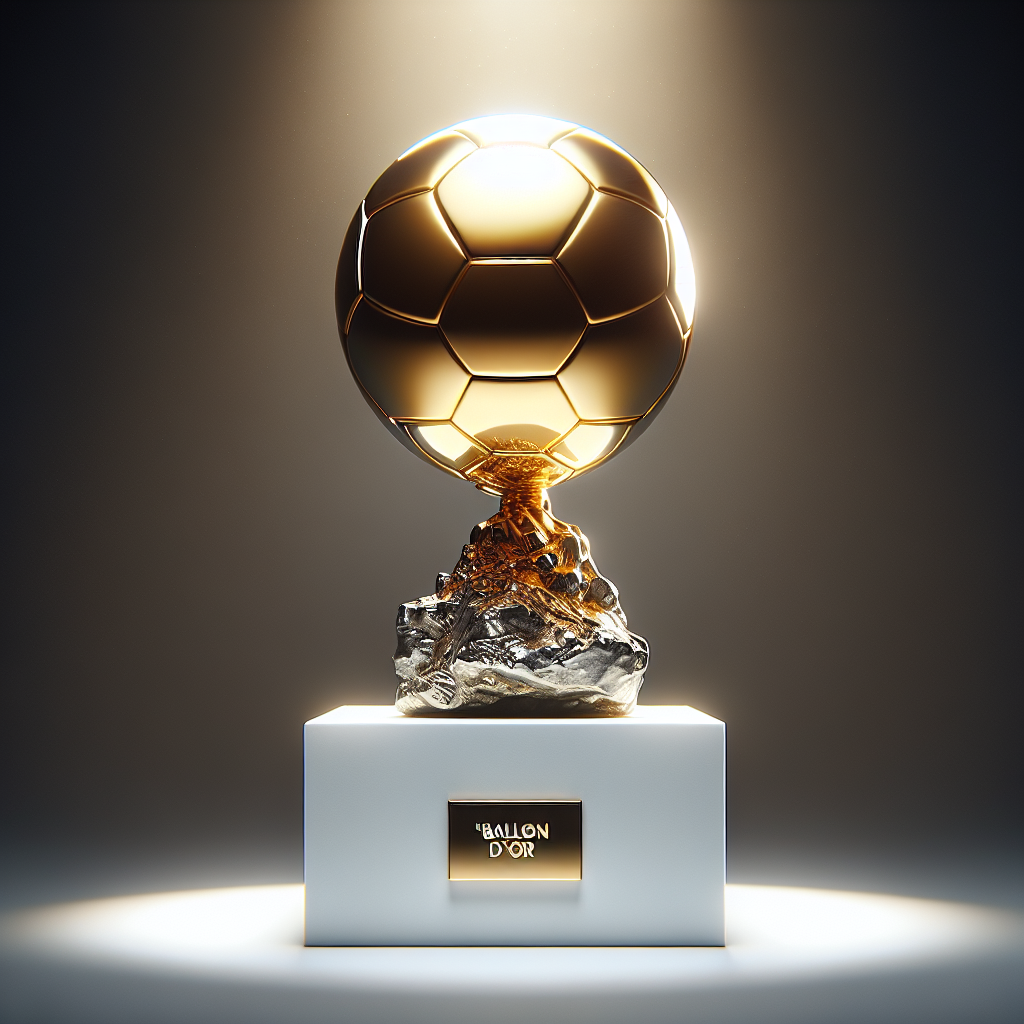
The Ballon d’Or, one of the most prestigious awards in the world of football, has long been a subject of fascination and debate. Awarded annually by France Football, it recognizes the best male and female football players globally. However, the voting process that determines the winner has often been scrutinized, raising questions about its fairness and potential flaws. To understand the complexities of this process, it is essential to delve into the mechanics of how the Ballon d’Or is awarded and the criticisms it faces.
The voting process for the Ballon d’Or involves a panel of international journalists, each representing a different country. These journalists are tasked with selecting their top five players from a shortlist provided by France Football. The players are then awarded points based on their ranking: six points for first place, four for second, three for third, two for fourth, and one for fifth. The player with the highest total points is declared the winner. This system, while seemingly straightforward, has been criticized for several reasons.
One major point of contention is the potential for bias among the voting journalists. Given that each journalist represents a specific country, there is an inherent risk that nationalistic tendencies could influence their choices. This could lead to a skewed representation of players from certain regions, potentially disadvantaging those from less prominent footballing nations. Furthermore, the selection of journalists is not always transparent, raising concerns about the criteria used to choose these individuals and whether they possess the requisite expertise to make informed decisions.
In addition to potential biases, the timing of the award has also been a topic of debate. The Ballon d’Or is typically awarded at the end of the calendar year, which can sometimes disadvantage players who have performed exceptionally well in the latter half of the previous season but have not maintained the same level of performance in the current one. This timing issue can lead to a situation where the award does not accurately reflect a player’s contributions over a full season, thereby questioning the fairness of the process.
Moreover, the criteria for judging players are not explicitly defined, leaving room for subjective interpretation. While the award is intended to recognize the best player in the world, the lack of clear guidelines on what constitutes „the best” can lead to varying interpretations among voters. Some may prioritize individual skill and flair, while others might focus on a player’s contribution to team success or their performance in major tournaments. This lack of consensus on evaluation criteria can result in inconsistent voting patterns and outcomes that may not align with public opinion.
Despite these criticisms, it is important to acknowledge the efforts made by France Football to enhance the credibility of the Ballon d’Or. Over the years, the organization has made adjustments to the voting process, such as expanding the pool of voters to include a more diverse range of countries and introducing separate awards for male and female players. These changes aim to address some of the concerns raised and ensure a more balanced and representative outcome.
In conclusion, while the Ballon d’Or remains a highly coveted accolade in the world of football, its voting process is not without its challenges. The potential for bias, timing issues, and subjective criteria all contribute to the ongoing debate about its fairness. Nevertheless, the award continues to evolve, striving to maintain its prestige and relevance in recognizing the world’s best football talent.
The Impact Of Ballon d’Or On Players
The Ballon d’Or, one of the most prestigious individual awards in the world of football, has a profound impact on the players who receive it, as well as on those who aspire to its heights. This accolade, awarded annually by France Football, recognizes the best male and female football players globally, celebrating their exceptional performances over the past year. The influence of the Ballon d’Or extends beyond mere recognition, affecting players’ careers, market value, and even their psychological well-being.
To begin with, winning the Ballon d’Or significantly enhances a player’s marketability and commercial appeal. Players who receive this honor often see a substantial increase in their endorsement deals and sponsorship opportunities. Companies are eager to associate their brands with the best in the sport, and the Ballon d’Or serves as a definitive marker of excellence. Consequently, players who win the award often become global icons, transcending the sport itself and entering the realm of popular culture. This increased visibility not only benefits the players financially but also elevates their status within the football community.
Moreover, the Ballon d’Or can have a considerable impact on a player’s career trajectory. For many, winning the award is a validation of their hard work and dedication, serving as a motivational boost that propels them to maintain or even elevate their performance levels. It can also influence contract negotiations, as clubs are often willing to offer more lucrative deals to players who have been recognized as the best in the world. This recognition can lead to transfers to more prestigious clubs, where players have the opportunity to compete at the highest levels and further cement their legacy.
However, the impact of the Ballon d’Or is not solely positive. The pressure to win or even be nominated for the award can be immense, leading to heightened expectations and scrutiny from fans, media, and the players themselves. This pressure can sometimes result in stress and anxiety, affecting a player’s performance on the field. Additionally, the competitive nature of the award can foster rivalries between players, which, while often beneficial in terms of driving performance, can also lead to tensions both on and off the pitch.
Furthermore, the Ballon d’Or has a ripple effect on the teams and leagues associated with the winning players. Clubs with Ballon d’Or winners often experience increased attention and prestige, which can translate into higher ticket sales, greater media coverage, and more substantial sponsorship deals. This, in turn, can have a positive impact on the league as a whole, elevating its status and attracting more talent and investment.
In conclusion, the Ballon d’Or is more than just an individual accolade; it is a powerful force that shapes the careers and lives of the players who win it. While it brings with it increased marketability, career opportunities, and global recognition, it also introduces pressures and expectations that can be challenging to navigate. Nevertheless, the allure of the Ballon d’Or continues to inspire players around the world, driving them to achieve greatness and leaving an indelible mark on the sport of football.
Memorable Ballon d’Or Moments: Iconic Wins And Controversies
The Ballon d’Or, one of the most prestigious individual awards in the world of football, has been a symbol of excellence and achievement since its inception in 1956. Over the decades, it has celebrated the extraordinary talents of players who have left an indelible mark on the sport. However, the history of the Ballon d’Or is not only a chronicle of iconic wins but also a tapestry woven with controversies that have sparked debates among fans and pundits alike.
One of the most memorable moments in the history of the Ballon d’Or occurred in 1995 when George Weah became the first and only African player to win the award. His victory was not only a personal triumph but also a significant milestone for African football, highlighting the continent’s growing influence on the global stage. Weah’s win was a testament to his exceptional skill and leadership, particularly during his time at AC Milan, where he dazzled fans with his remarkable goal-scoring ability and versatility on the field.
Transitioning to another iconic moment, the rivalry between Lionel Messi and Cristiano Ronaldo has defined an era in football, with both players dominating the Ballon d’Or awards for over a decade. Messi’s first win in 2009 marked the beginning of an unprecedented era of success, as he went on to secure the award multiple times, showcasing his extraordinary talent and consistency. Similarly, Ronaldo’s victories have been celebrated for his relentless pursuit of excellence and his ability to perform at the highest level across different leagues and competitions. Their duopoly has not only elevated the prestige of the Ballon d’Or but also fueled discussions about who truly deserves the title of the greatest player of all time.
However, the Ballon d’Or has not been without its share of controversies. One such contentious moment occurred in 2010 when many believed that Wesley Sneijder, who had an outstanding year with Inter Milan and the Netherlands national team, was overlooked in favor of Lionel Messi. Despite Sneijder’s instrumental role in leading his club to a historic treble and his national team to the World Cup final, he did not even make it to the top three in the Ballon d’Or rankings. This decision sparked widespread debate and highlighted the subjective nature of the voting process, which often prioritizes individual brilliance over team achievements.
Another controversial episode unfolded in 2013 when Cristiano Ronaldo won the award amid claims that the voting deadline had been extended, allegedly to accommodate his impressive performances in the World Cup qualifiers. This incident raised questions about the transparency and fairness of the selection process, with some critics arguing that external factors should not influence the outcome of such a prestigious accolade.
In conclusion, the Ballon d’Or has provided football enthusiasts with countless memorable moments, celebrating the brilliance of players who have defined generations. While iconic wins have solidified the legacies of legends like George Weah, Lionel Messi, and Cristiano Ronaldo, controversies have also played a significant role in shaping the narrative of the award. As the football world continues to evolve, the Ballon d’Or remains a symbol of excellence, inspiring players to reach new heights and leaving fans eagerly anticipating the next chapter in its storied history.
History Of The Ballon d’Or: From Inception To Present
The Ballon d’Or, one of the most prestigious individual awards in the world of football, has a rich history that reflects the evolution of the sport itself. Established in 1956 by France Football, a French weekly magazine, the award was initially conceived to honor the best male footballer in Europe. The idea was the brainchild of Gabriel Hanot, a former French footballer and journalist, who sought to recognize outstanding talent and performance on the field. Over the years, the Ballon d’Or has grown in stature and significance, becoming a symbol of excellence in football.
In its early years, the Ballon d’Or was exclusively awarded to European players, which meant that many legendary talents from other continents were ineligible. This limitation was lifted in 1995, allowing non-European players who played for European clubs to be considered for the award. This change marked a significant turning point, as it opened the door for a more diverse group of players to be recognized. The first non-European to win the award was George Weah from Liberia, who claimed the honor in 1995 while playing for AC Milan.
As the global nature of football continued to expand, so too did the scope of the Ballon d’Or. In 2007, the award was further broadened to include players from all over the world, regardless of their club’s location. This shift acknowledged the increasingly international nature of the sport and allowed for a more comprehensive assessment of talent. Consequently, the Ballon d’Or became a truly global accolade, celebrating the best footballers from every corner of the globe.
Throughout its history, the Ballon d’Or has been awarded to some of the most iconic figures in football. Legends such as Johan Cruyff, Michel Platini, and Marco van Basten have all been honored multiple times, each leaving an indelible mark on the sport. In more recent years, the award has been dominated by the rivalry between Lionel Messi and Cristiano Ronaldo, two players whose extraordinary skills and achievements have captivated fans worldwide. Their duopoly on the award, with Messi winning it seven times and Ronaldo five as of 2023, has sparked debates and discussions about the nature of greatness in football.
The Ballon d’Or has not been without controversy. Critics have often questioned the criteria used to determine the winner, arguing that it sometimes favors attacking players over defensive stalwarts or goalkeepers. Additionally, the voting process, which involves journalists from around the world, has occasionally been criticized for perceived biases. Despite these challenges, the award remains a coveted honor, symbolizing the pinnacle of individual achievement in football.
In recent years, the Ballon d’Or has also expanded to include a women’s category, reflecting the growing prominence and recognition of women’s football. The inaugural women’s Ballon d’Or was awarded in 2018 to Ada Hegerberg of Norway, marking a significant milestone in the sport’s history. This addition underscores the award’s commitment to celebrating excellence across all facets of football.
In conclusion, the Ballon d’Or has evolved significantly since its inception, adapting to the changing landscape of football while maintaining its status as a symbol of individual brilliance. As the sport continues to grow and change, the Ballon d’Or will undoubtedly remain a cherished accolade, honoring those who have reached the zenith of their craft.
Conclusion
The Ballon d’Or is one of the most prestigious individual awards in the world of football, recognizing the best male and female players globally. Established in 1956 by France Football, it has become a symbol of excellence, celebrating outstanding talent, skill, and achievements on the field. Over the years, the award has highlighted the careers of legendary players, contributing to their legacy and inspiring future generations. The Ballon d’Or not only honors individual brilliance but also reflects the evolving dynamics of football, showcasing the sport’s global reach and the diverse talents that define it.