„Embrace the Spook: Unleash Your Inner Fright This Halloween!”
Introduction
Halloween, celebrated on October 31st, is a festive occasion marked by a blend of ancient traditions and modern customs. Originating from the Celtic festival of Samhain, it was believed that on this night, the boundary between the living and the dead was blurred, allowing spirits to roam the earth. Over time, Halloween has evolved into a day filled with activities such as trick-or-treating, costume parties, and haunted attractions. The holiday is characterized by symbols like pumpkins, ghosts, and witches, reflecting its spooky themes. Today, Halloween is enjoyed by people of all ages, making it a vibrant celebration of creativity and community.
Halloween Costume Ideas for All Ages
Halloween, a celebration steeped in tradition and creativity, offers a unique opportunity for individuals of all ages to express themselves through costumes. As the leaves turn and the air becomes crisp, the excitement surrounding this festive occasion grows, prompting many to begin planning their attire well in advance. The variety of costume ideas available today is vast, catering to diverse interests and preferences, ensuring that everyone can find something that resonates with their personality.
For young children, costumes often draw inspiration from beloved characters in literature, film, and television. Classic choices such as superheroes, princesses, and animals remain perennial favorites, allowing children to embody their favorite personas. For instance, a child might choose to dress as a character from a popular animated film, complete with vibrant colors and whimsical accessories. Additionally, costumes that encourage imaginative play, such as pirates or astronauts, can inspire creativity and storytelling, making the Halloween experience even more enriching. Parents often find that these costumes not only provide a fun way to celebrate but also foster a sense of adventure and exploration in their children.
As children grow older, their costume choices tend to evolve, reflecting their developing interests and social circles. Pre-teens and teenagers often gravitate towards costumes that allow for a bit more sophistication or humor. Popular trends may include references to current pop culture phenomena, such as characters from hit television series or viral internet sensations. Moreover, many teenagers opt for group costumes, collaborating with friends to create a cohesive theme that showcases their camaraderie. This collaborative spirit not only enhances the fun of Halloween but also strengthens social bonds, as friends come together to celebrate their shared interests.
For adults, Halloween presents an opportunity to embrace creativity in a different way. Many adults choose to don costumes that reflect their hobbies, professions, or even historical figures. This can range from whimsical interpretations of classic monsters to more elaborate and intricate designs that showcase craftsmanship and attention to detail. Some adults may opt for costumes that incorporate elements of satire or social commentary, using humor to engage with contemporary issues. This trend highlights the versatility of Halloween as a platform for self-expression, allowing individuals to convey messages or provoke thought through their attire.
Furthermore, the rise of themed parties and events has led to an increase in costume creativity among adults. Many individuals now seek to coordinate their costumes with specific themes, such as the 1980s, horror movies, or even literary characters. This trend encourages participants to delve into their imaginations and explore various styles, resulting in a rich tapestry of costumes that reflect both personal taste and cultural influences. The communal aspect of Halloween, where individuals come together to celebrate and share in the festivities, is enhanced by these themed gatherings, fostering a sense of belonging and shared experience.
In conclusion, Halloween serves as a canvas for creativity across all age groups, offering a myriad of costume ideas that cater to diverse interests and preferences. From the innocent whimsy of children’s costumes to the sophisticated and humorous choices of adults, the celebration encourages self-expression and community engagement. As individuals prepare for this enchanting holiday, the excitement of selecting the perfect costume becomes a cherished part of the Halloween experience, uniting people in a shared celebration of imagination and creativity.
The History and Origins of Halloween
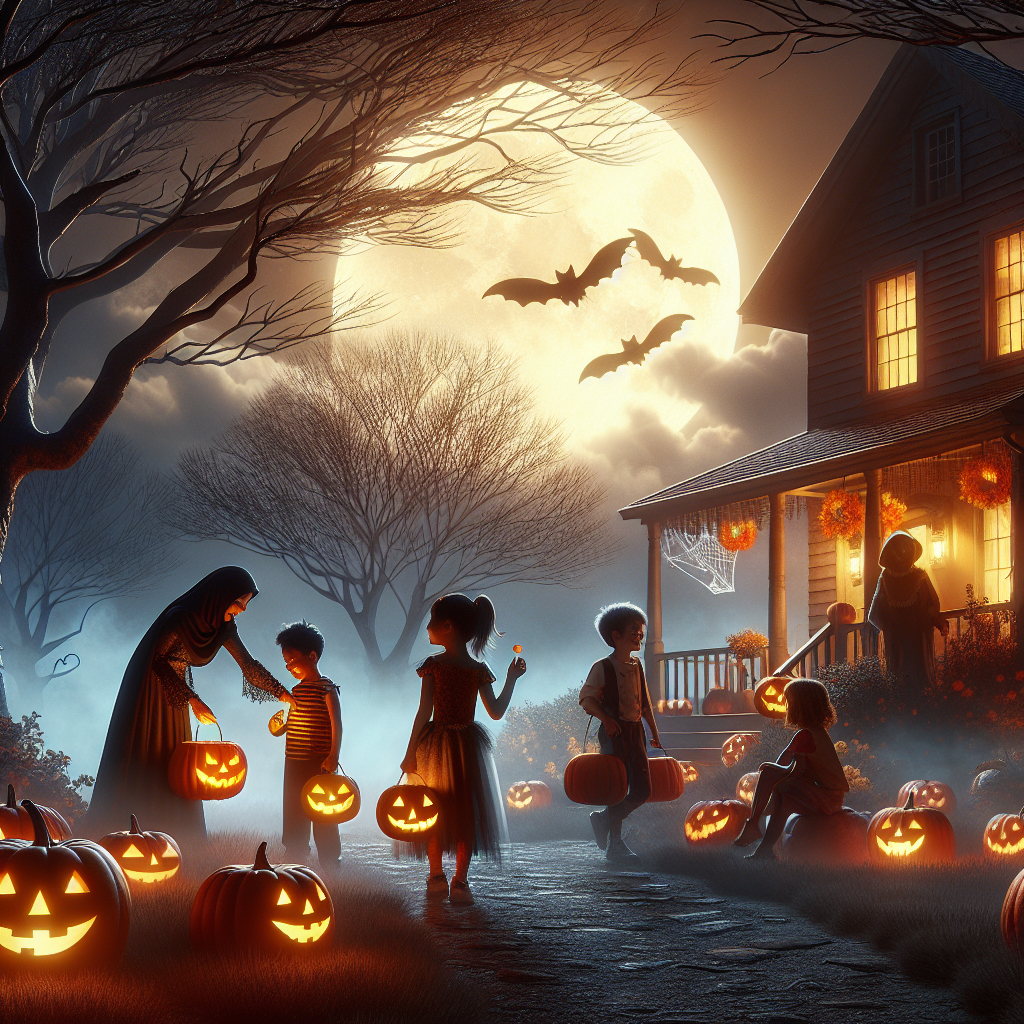
Halloween, celebrated on October 31st, has a rich history that intertwines ancient traditions, cultural practices, and evolving societal norms. Its origins can be traced back to the ancient Celtic festival of Samhain, which marked the end of the harvest season and the onset of winter. This festival, observed primarily in Ireland and Scotland, was believed to be a time when the boundary between the living and the dead became blurred. During Samhain, it was customary for people to light bonfires and wear costumes to ward off roaming spirits, as they believed that the souls of the deceased would return to earth on this night.
As the centuries progressed, the influence of Christianity began to permeate various pagan traditions. In the 8th century, Pope Gregory III designated November 1st as All Saints’ Day, a day to honor all saints and martyrs. The evening before this holy day became known as All Hallows’ Eve, which eventually morphed into Halloween. This transition illustrates how Halloween evolved from a pagan festival into a celebration that incorporated Christian elements, reflecting the complex interplay between different belief systems throughout history.
In addition to its religious transformations, Halloween also absorbed various cultural practices from different regions. For instance, in medieval Europe, the tradition of „souling” emerged, where the poor would go door-to-door on All Hallows’ Eve, offering prayers for the dead in exchange for food. This practice laid the groundwork for modern-day trick-or-treating, as it emphasized the themes of community and sharing. Furthermore, the custom of carving turnips into lanterns, known as „jack-o’-lanterns,” originated from an Irish myth about a man named Stingy Jack, who tricked the devil and was condemned to wander the earth with only a carved turnip to light his way. When Irish immigrants brought this tradition to America, they adapted it by using pumpkins, which were more readily available.
As Halloween gained popularity in the United States during the 19th century, it began to take on a more secular and community-oriented character. The celebration became a time for parties, games, and festive gatherings, moving away from its somber associations with death and the supernatural. By the early 20th century, Halloween had transformed into a holiday focused on fun and entertainment, with an emphasis on costumes and playful mischief. This shift was further solidified during the post-World War II era, when the commercialization of Halloween began to flourish, leading to the widespread production of costumes, decorations, and candy.
Today, Halloween is celebrated in various forms around the world, with each culture adding its unique twist to the festivities. In the United States, it has become a multi-billion-dollar industry, characterized by elaborate decorations, haunted houses, and themed events. The tradition of trick-or-treating remains a central aspect of the holiday, fostering a sense of community and childhood nostalgia. Meanwhile, other countries have their own interpretations of Halloween, such as Mexico’s Día de los Muertos, which honors deceased loved ones through vibrant celebrations.
In conclusion, the history and origins of Halloween reveal a fascinating tapestry of cultural evolution, blending ancient rituals with modern practices. From its roots in the Celtic festival of Samhain to its current status as a widely celebrated holiday, Halloween continues to captivate the imagination, serving as a reminder of the enduring human fascination with the supernatural and the cyclical nature of life and death.
Spooky Halloween Recipes for Your Party
As Halloween approaches, many individuals and families begin to prepare for one of the most festive and imaginative celebrations of the year. This occasion not only invites creativity in costume design and decoration but also encourages culinary experimentation. Spooky Halloween recipes can elevate any gathering, transforming ordinary dishes into frightful delights that captivate guests of all ages. By incorporating thematic elements into your menu, you can create an atmosphere that is both festive and memorable.
To begin with, consider the classic pumpkin, a staple of Halloween festivities. Pumpkin soup, for instance, can be transformed into a chilling centerpiece by serving it in hollowed-out mini pumpkins. This not only enhances the visual appeal but also adds a touch of seasonal flavor. To prepare this dish, sauté onions and garlic in a pot, add diced pumpkin, vegetable broth, and spices such as nutmeg and cinnamon. Once the mixture is cooked, blend it until smooth and serve it in the mini pumpkins, garnished with a swirl of cream and a sprinkle of pumpkin seeds. This dish is not only delicious but also embodies the spirit of Halloween.
In addition to savory options, sweet treats are essential for any Halloween gathering. One popular choice is the infamous „witches’ fingers” cookies. These eerie confections are made from a simple almond cookie dough, shaped into fingers, and adorned with sliced almonds to resemble fingernails. To create a more ghastly appearance, you can use red gel icing to simulate blood at the base of the almond. These cookies are not only visually striking but also provide a delightful crunch that will leave guests wanting more.
Furthermore, no Halloween party would be complete without a punch that captures the essence of the season. A „witches’ brew” punch can be concocted using a combination of green fruit punch, lemon-lime soda, and a splash of pineapple juice. To enhance the spooky factor, consider adding floating gummy worms or eyeball-shaped candies made from lychee fruit and blueberries. This vibrant concoction not only quenches thirst but also serves as a conversation starter, drawing guests into the festive spirit.
Moreover, for those looking to incorporate a savory dip into their spread, a „bloody” salsa can be an excellent choice. By combining diced tomatoes, onions, jalapeños, and cilantro, you can create a fresh salsa that is both flavorful and visually appealing. To add a chilling twist, serve it in a hollowed-out skull-shaped bowl, and accompany it with tortilla chips arranged to resemble gravestones. This creative presentation will undoubtedly impress your guests and encourage them to indulge in the festive fare.
As the evening progresses, consider offering a selection of themed appetizers, such as „mummy” hot dogs. By wrapping crescent roll dough around hot dogs and baking them until golden brown, you can create a fun and easy dish that resembles mummies. Adding small dots of mustard or ketchup for eyes will complete the look, making them an instant hit among both children and adults.
In conclusion, crafting spooky Halloween recipes for your party can significantly enhance the overall experience, creating an atmosphere filled with delight and creativity. By incorporating seasonal ingredients and imaginative presentations, you can ensure that your gathering is not only enjoyable but also memorable. As you prepare for this festive occasion, let your culinary creativity shine, and watch as your guests revel in the deliciously eerie offerings you provide.
Creative Halloween Decoration Tips
As Halloween approaches, the excitement of transforming homes into eerie yet enchanting spaces becomes palpable. Creative Halloween decorations not only enhance the festive spirit but also provide an opportunity for individuals and families to express their artistic flair. To begin with, one of the most effective ways to set the mood is through the use of lighting. Dim, flickering lights can create an atmosphere of mystery and suspense. Consider using colored bulbs or LED candles to cast an otherworldly glow. Additionally, strategically placing lights behind sheer fabrics or within carved pumpkins can produce captivating shadows that dance across walls, further enhancing the ambiance.
Moreover, incorporating natural elements can add a unique touch to your Halloween decor. For instance, using branches, leaves, and even pinecones can evoke the essence of autumn while providing a rustic feel. A simple yet effective idea is to create a wreath using twigs and dried leaves, which can be hung on the front door to welcome guests. Furthermore, filling glass jars with acorns or small gourds can serve as charming centerpieces, bridging the gap between Halloween and the fall season.
Transitioning from natural elements to more whimsical decorations, one can explore the realm of DIY projects. Crafting your own decorations not only allows for personalization but also fosters creativity. For example, creating ghostly figures from old sheets or using balloons to form floating specters can be a fun activity for families. Additionally, painting rocks to resemble various Halloween characters, such as witches or pumpkins, can provide a delightful touch to gardens or porches. These handmade decorations often carry sentimental value, making them cherished additions to the holiday.
In addition to DIY projects, utilizing everyday items in unconventional ways can yield impressive results. For instance, repurposing old furniture or household items can create striking focal points. An old ladder can be transformed into a spooky display by draping it with cobwebs and hanging small pumpkins or lanterns from its rungs. Similarly, using an old trunk to store candy can double as a decorative piece, especially when adorned with Halloween-themed fabric or paint. This approach not only promotes sustainability but also encourages creativity in finding new uses for items that might otherwise be discarded.
As one considers the overall theme of their Halloween decorations, it is essential to maintain a cohesive aesthetic. Whether opting for a classic haunted house vibe or a more whimsical approach, consistency in color schemes and motifs can enhance the visual appeal. For instance, using a palette of black, orange, and purple can unify various elements, from table settings to wall hangings. Additionally, incorporating thematic characters, such as witches, ghosts, and bats, throughout the decor can create a narrative that captivates guests and passersby alike.
Finally, it is important to remember that Halloween decorations can extend beyond the exterior of the home. Interior spaces can also be transformed into festive realms. Simple touches, such as placing themed throw pillows on sofas or using Halloween-themed tableware, can create a warm and inviting atmosphere. By thoughtfully considering both indoor and outdoor spaces, one can create a comprehensive Halloween experience that delights all who enter.
In conclusion, the art of Halloween decoration offers endless possibilities for creativity and expression. By combining lighting, natural elements, DIY projects, and repurposed items, individuals can craft a unique and inviting atmosphere that celebrates the spirit of the season. With careful planning and a touch of imagination, Halloween can become a truly enchanting occasion for all.
Fun Halloween Activities for Kids and Families
Halloween is a festive occasion that brings joy and excitement to children and families alike. As the leaves change color and the air turns crisp, the anticipation of this spooky holiday begins to build. Engaging in fun Halloween activities can enhance the experience, creating lasting memories while fostering creativity and togetherness. One of the most popular activities is pumpkin carving, which allows families to express their artistic flair. Selecting the perfect pumpkin from a local patch is an adventure in itself, and once home, the real fun begins. Families can gather around a table, armed with carving tools and stencils, to create unique designs. This activity not only encourages teamwork but also provides an opportunity for children to develop fine motor skills as they scoop out the insides and carve intricate patterns.
In addition to pumpkin carving, decorating the home for Halloween can be a delightful project for families. Crafting homemade decorations, such as paper bats, ghosts, and spider webs, can be a fun way to involve children in the festivities. Using materials like construction paper, scissors, and glue, families can transform their living spaces into a haunted haven. This creative endeavor not only enhances the Halloween spirit but also allows children to take pride in their contributions to the family’s decorations. Furthermore, families can explore the tradition of creating a Halloween-themed scavenger hunt. By hiding treats and spooky items around the house or yard, parents can design clues that lead children on an exciting adventure. This activity promotes problem-solving skills and encourages physical activity, all while maintaining the festive atmosphere of Halloween.
Another engaging activity is hosting a Halloween movie night. Families can gather in their living room, adorned with cozy blankets and themed snacks, to watch classic Halloween films. From animated favorites to family-friendly spooky tales, this activity provides an opportunity for bonding and relaxation. To enhance the experience, families can prepare themed treats, such as popcorn balls or ghost-shaped cookies, which add a delightful touch to the evening. As the night progresses, storytelling can also become a central part of the festivities. Sharing ghost stories or reading Halloween-themed books can ignite children’s imaginations and create a sense of wonder.
Moreover, participating in community events can further enrich the Halloween experience. Many neighborhoods host trick-or-treating events, costume parades, or festivals that bring families together. Dressing up in costumes not only allows children to express their creativity but also fosters a sense of community as families interact with one another. Additionally, volunteering for local Halloween events can instill a sense of giving and community spirit in children, teaching them the importance of helping others while enjoying the holiday.
As Halloween approaches, families can also explore the tradition of baking seasonal treats. Engaging children in the kitchen to create spooky-themed goodies, such as pumpkin muffins or witch hat cookies, can be both educational and enjoyable. This activity not only teaches valuable cooking skills but also allows families to share delicious treats with neighbors and friends, spreading the Halloween cheer.
In conclusion, Halloween offers a plethora of fun activities that can be enjoyed by kids and families. From pumpkin carving and home decorating to movie nights and community events, these activities foster creativity, togetherness, and a sense of joy. By embracing the spirit of Halloween through these engaging experiences, families can create cherished memories that will last a lifetime.
Conclusion
Halloween is a celebration that blends ancient traditions with modern festivities, characterized by costumes, trick-or-treating, and various spooky themes. It serves as a time for community engagement, creativity, and fun, while also reflecting cultural practices and beliefs about the supernatural. Ultimately, Halloween fosters a sense of joy and excitement, allowing people of all ages to embrace their imaginations and celebrate the eerie and whimsical aspects of life.