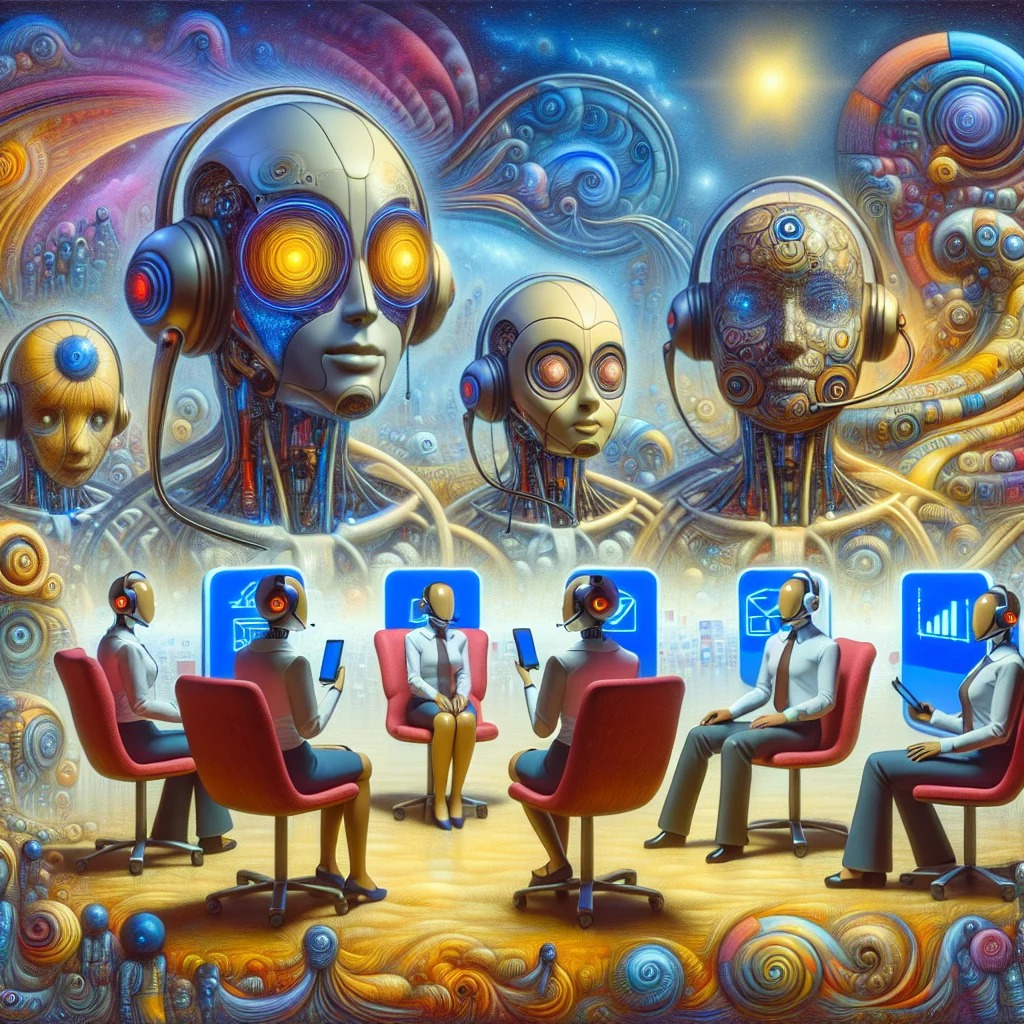
„Beyond the Veil: Where Eternity Awaits”
Introduction
„Afterlife” is a concept that has intrigued humanity for centuries, encompassing a wide range of beliefs and interpretations across different cultures and religions. It refers to the existence or continuation of the soul or consciousness after physical death. In many religious traditions, the afterlife is depicted as a realm where moral and ethical conduct during one’s lifetime determines the nature of one’s existence after death, often involving reward or punishment. Philosophical and spiritual perspectives on the afterlife explore themes of immortality, reincarnation, and the transcendence of the soul. This enduring fascination with what lies beyond the mortal experience reflects humanity’s quest for meaning, understanding, and hope in the face of life’s ultimate mystery.
The Role of Religion in Shaping Afterlife Concepts
The concept of the afterlife has been a subject of fascination and speculation for centuries, deeply intertwined with religious beliefs and practices. Across various cultures and religions, the afterlife is often depicted as a continuation of existence beyond physical death, offering a realm where moral and ethical actions in life are rewarded or punished. This notion serves not only as a source of comfort but also as a moral compass, guiding adherents in their earthly lives. To understand the role of religion in shaping afterlife concepts, it is essential to explore how different faiths interpret this enigmatic aspect of human existence.
In many religious traditions, the afterlife is portrayed as a place of reward or retribution, reflecting the moral values upheld by the community. For instance, in Christianity, the afterlife is often divided into heaven and hell, where individuals are judged based on their faith and deeds. Heaven is depicted as a paradise for the righteous, while hell is a place of suffering for those who have led sinful lives. This dualistic view underscores the importance of living a virtuous life, as it directly influences one’s eternal fate. Similarly, in Islam, the afterlife is a significant tenet, with the Quran describing a Day of Judgment where individuals are held accountable for their actions. The righteous are granted entry into Jannah, a garden of bliss, while the wicked face punishment in Jahannam.
Transitioning to Eastern religions, the concept of the afterlife takes on different dimensions. In Hinduism, the afterlife is intricately linked to the cycle of reincarnation, where the soul is reborn into a new body based on the karma accumulated in previous lives. This belief emphasizes the importance of living a life in accordance with dharma, or moral duty, to achieve a favorable rebirth or ultimately attain moksha, liberation from the cycle of rebirth. Buddhism shares a similar belief in reincarnation but focuses on the attainment of Nirvana, a state of liberation from suffering and the cycle of rebirth. The afterlife, in this context, is not a fixed destination but a process of spiritual evolution.
Moreover, indigenous and animistic religions often perceive the afterlife as a continuation of the natural world, where spirits of the deceased coexist with the living. These beliefs highlight the interconnectedness of life and death, emphasizing harmony with nature and ancestral reverence. For example, in many African traditional religions, the afterlife is seen as a spiritual realm where ancestors reside, influencing the lives of their descendants. This perspective fosters a sense of continuity and community, as the living maintain a relationship with their forebears through rituals and offerings.
In addition to providing a framework for understanding life and death, religious concepts of the afterlife also serve to address existential questions and alleviate the fear of mortality. By offering narratives that transcend the finality of death, religions provide solace and hope, encouraging individuals to find meaning and purpose in their lives. Furthermore, these beliefs often promote ethical behavior and social cohesion, as the promise of an afterlife reinforces moral codes and communal values.
In conclusion, the role of religion in shaping afterlife concepts is profound and multifaceted, reflecting the diverse ways in which human societies grapple with the mysteries of existence. Through various interpretations of the afterlife, religions offer not only a vision of what lies beyond but also a guide for living a life aligned with spiritual and moral principles. As such, the afterlife remains a central theme in religious thought, continuing to inspire and influence believers across the globe.
Reincarnation: A Journey Through Multiple Lifetimes

Reincarnation, a concept deeply rooted in various religious and philosophical traditions, posits that the soul undergoes a cycle of birth, death, and rebirth. This belief suggests that after physical death, the soul is reborn into a new body, embarking on a journey through multiple lifetimes. While the specifics of reincarnation vary across cultures, the underlying principle remains the same: the soul’s evolution through successive existences.
In Hinduism, reincarnation is closely tied to the doctrine of karma, which asserts that an individual’s actions in one life directly influence their circumstances in future lives. This cycle, known as samsara, continues until the soul achieves moksha, or liberation from the cycle of rebirth. Similarly, Buddhism embraces the concept of rebirth, although it diverges from the notion of an eternal soul. Instead, it emphasizes the continuity of consciousness, which is shaped by one’s actions and intentions, ultimately determining the conditions of future existences.
Transitioning to Western perspectives, reincarnation has also found a place in certain philosophical and spiritual movements. Theosophy, for instance, integrates reincarnation into its teachings, suggesting that the soul evolves through a series of lifetimes, gaining wisdom and experience. This idea resonates with the belief in spiritual progression, where each life serves as an opportunity for growth and learning.
Moreover, the concept of reincarnation has captured the interest of modern psychology and parapsychology. Researchers have explored cases of individuals, often children, who claim to recall past lives. These accounts, sometimes accompanied by verifiable details, have sparked debates about the nature of consciousness and memory. While skeptics attribute such phenomena to cryptomnesia or fantasy, proponents argue that these cases warrant further investigation into the mysteries of the human mind.
In addition to anecdotal evidence, reincarnation has been a subject of scientific inquiry. Studies involving past-life regression, a technique where individuals are guided to recall previous existences under hypnosis, have yielded intriguing results. Although critics question the reliability of these memories, proponents suggest that they may offer insights into unresolved psychological issues or latent talents.
Furthermore, reincarnation raises profound ethical and existential questions. If one’s actions in this life influence future existences, it implies a moral responsibility that transcends a single lifetime. This perspective encourages individuals to cultivate virtues such as compassion, empathy, and integrity, fostering a sense of interconnectedness with all living beings. It also challenges the notion of a finite existence, offering a broader understanding of life and death.
Despite its widespread appeal, reincarnation remains a topic of debate and skepticism. Critics argue that there is insufficient empirical evidence to support the existence of past lives, and they often attribute belief in reincarnation to cultural conditioning or wishful thinking. Nonetheless, the enduring fascination with reincarnation reflects humanity’s quest for meaning and continuity beyond the confines of a single lifetime.
In conclusion, reincarnation presents a compelling narrative of the soul’s journey through multiple lifetimes, offering insights into the nature of existence and the potential for spiritual growth. Whether viewed through the lens of religion, philosophy, or science, it invites contemplation of life’s mysteries and the possibility of an afterlife that transcends the boundaries of individual experience. As such, reincarnation continues to inspire curiosity and debate, challenging our understanding of life, death, and the enduring essence of the self.
The Science and Philosophy of Life After Death
The concept of an afterlife has intrigued humanity for millennia, serving as a cornerstone in various religious, philosophical, and cultural narratives. While the idea of life after death is often rooted in spiritual beliefs, it also invites scientific inquiry and philosophical debate. The intersection of these disciplines offers a rich tapestry of perspectives, each contributing to our understanding of what might lie beyond the veil of mortality.
From a scientific standpoint, the afterlife is a challenging concept to explore, primarily because it transcends the empirical realm. Science relies on observable and measurable phenomena, and the afterlife, by its very nature, eludes direct observation. However, this has not deterred scientists from investigating related phenomena. For instance, near-death experiences (NDEs) have been a focal point of study. These experiences, often characterized by sensations of detachment from the body, feelings of levitation, and encounters with light, have been reported by individuals who have come close to death. Researchers have sought to understand NDEs through neurological and psychological lenses, examining how brain activity and consciousness might contribute to these profound experiences. While no definitive scientific explanation has been established, these studies continue to provide valuable insights into the human experience of death and dying.
Philosophically, the afterlife raises questions about the nature of existence and consciousness. Philosophers have long debated whether consciousness can survive the death of the physical body. Dualists argue that the mind and body are distinct entities, suggesting that consciousness could persist independently of the body. In contrast, materialists contend that consciousness is a product of brain activity, ceasing to exist once the brain stops functioning. This debate touches on fundamental questions about identity and the self, challenging us to consider what it means to be alive and whether our essence can transcend physical demise.
Religious and spiritual traditions offer a myriad of interpretations of the afterlife, each providing unique insights into human beliefs and values. For many, the afterlife is a realm of reward or punishment, reflecting moral and ethical conduct during one’s lifetime. In Christianity, for example, the afterlife is often depicted as heaven or hell, contingent upon one’s faith and actions. Similarly, in Hinduism and Buddhism, the concept of reincarnation suggests a cyclical journey of the soul, where one’s actions in this life influence future existences. These spiritual perspectives not only offer comfort and hope but also serve as moral compasses, guiding adherents in their daily lives.
Despite the diverse interpretations and ongoing debates, the afterlife remains a deeply personal and often enigmatic subject. It challenges individuals to confront their mortality and consider the legacy they wish to leave behind. Moreover, it invites reflection on the interconnectedness of life and death, prompting us to ponder the mysteries of existence.
In conclusion, the science and philosophy of life after death encompass a wide array of perspectives, each contributing to our understanding of this profound concept. While science seeks to unravel the mysteries of consciousness and near-death experiences, philosophy grapples with questions of identity and existence. Meanwhile, religious and spiritual traditions offer narratives that provide meaning and solace. Together, these disciplines enrich our exploration of the afterlife, inviting us to contemplate the possibilities that may await us beyond the boundaries of our earthly existence.
Near-Death Experiences: Insights Into the Afterlife
Near-death experiences (NDEs) have long fascinated both scientists and the general public, offering intriguing insights into the possibility of an afterlife. These experiences, often reported by individuals who have come close to death, provide a unique perspective on what might lie beyond our mortal existence. While the scientific community remains divided on the interpretation of NDEs, the accounts shared by those who have experienced them are compelling and often share common elements.
One of the most frequently reported aspects of near-death experiences is the sensation of leaving one’s body. Individuals often describe a feeling of detachment, as if they are observing their physical form from a distance. This out-of-body experience is sometimes accompanied by a sense of peace and calm, contrasting sharply with the trauma or distress that may have led to the near-death state. Such descriptions challenge our understanding of consciousness and its relationship to the physical body, prompting questions about whether consciousness can exist independently of the brain.
In addition to out-of-body experiences, many individuals report traveling through a tunnel toward a bright light. This imagery is so prevalent that it has become almost synonymous with the concept of an afterlife. The light is often described as warm and welcoming, evoking feelings of love and acceptance. For some, this journey includes encounters with deceased loved ones or spiritual beings, who communicate messages of reassurance or guidance. These encounters are often interpreted as evidence of an afterlife, suggesting that consciousness continues in some form after physical death.
Moreover, near-death experiences frequently include a life review, where individuals relive significant moments from their past. This review is not merely a recollection of events but is often accompanied by an emotional understanding of the impact of one’s actions on others. This introspective process can lead to profound personal insights and a reevaluation of one’s life priorities. The life review aspect of NDEs raises intriguing questions about the nature of time and memory, as well as the potential for moral and spiritual growth beyond this life.
Despite the compelling nature of these accounts, the scientific community remains cautious in interpreting NDEs as evidence of an afterlife. Some researchers propose that these experiences may be the result of physiological processes in the brain during moments of extreme stress or trauma. For instance, the release of endorphins and other chemicals could create sensations of peace and detachment, while a lack of oxygen might produce visual phenomena such as tunnels and lights. These explanations, however, do not fully account for the consistency and vividness of NDE reports across different cultures and individuals.
Furthermore, skeptics argue that cultural and religious beliefs may shape the content of near-death experiences, suggesting that they are subjective interpretations rather than objective glimpses of an afterlife. Nevertheless, the transformative impact of NDEs on individuals cannot be easily dismissed. Many who have undergone such experiences report lasting changes in their attitudes toward life and death, often developing a greater sense of purpose and spirituality.
In conclusion, while near-death experiences offer tantalizing insights into the possibility of an afterlife, they remain a subject of ongoing debate and research. Whether they represent genuine encounters with another realm or are simply the brain’s response to extreme conditions, NDEs continue to challenge our understanding of consciousness and the nature of existence. As research progresses, these experiences may eventually provide clearer answers to one of humanity’s most profound questions: what happens after we die?
Exploring Different Cultural Beliefs About the Afterlife
The concept of the afterlife has intrigued humanity for millennia, serving as a cornerstone in the spiritual and religious beliefs of cultures worldwide. This fascination with what lies beyond death is not only a reflection of our innate curiosity but also a testament to the diverse ways in which societies understand existence and the human soul. As we explore different cultural beliefs about the afterlife, it becomes evident that these perspectives are as varied as the cultures themselves, each offering unique insights into the human condition and our quest for meaning.
In ancient Egypt, the afterlife was a central tenet of religious belief, intricately tied to the practices of mummification and elaborate burial rituals. Egyptians believed in a journey to the afterlife, where the soul would be judged by Osiris, the god of the dead. The heart of the deceased was weighed against the feather of Ma’at, the goddess of truth and justice. A balanced scale meant eternal life in the Field of Reeds, a paradise mirroring one’s earthly existence. This belief system underscored the importance of living a virtuous life, as one’s actions directly influenced their fate in the afterlife.
Transitioning to the East, Hinduism presents a cyclical view of life and death through the concept of samsara, or the cycle of rebirth. According to Hindu beliefs, the soul, or atman, is eternal and undergoes a series of reincarnations until it achieves moksha, or liberation from the cycle. This liberation is attained through righteous living, devotion, and the accumulation of good karma. Similarly, Buddhism, which emerged from Hindu traditions, also emphasizes the cycle of rebirth but focuses on achieving Nirvana, a state of ultimate enlightenment and freedom from suffering. Both religions highlight the impermanence of life and the importance of spiritual growth.
In contrast, the Abrahamic religions—Judaism, Christianity, and Islam—offer a linear perspective on the afterlife. Judaism’s views on the afterlife are varied, with some beliefs centered around a spiritual afterlife and others focusing on a future resurrection. Christianity, on the other hand, emphasizes the resurrection of the body and eternal life in heaven or hell, contingent upon one’s faith and actions. Islam shares similarities with Christianity, teaching that the soul is judged by Allah and rewarded with paradise or punished in hell based on one’s deeds and adherence to the faith. These religions underscore the moral and ethical dimensions of life, with the afterlife serving as a continuation of one’s spiritual journey.
Moving to indigenous cultures, many Native American tribes hold beliefs in a spirit world where ancestors reside. These beliefs often emphasize harmony with nature and the interconnectedness of all living things. Similarly, in African traditional religions, the afterlife is seen as a continuation of life on earth, with ancestors playing a vital role in guiding and protecting the living. These perspectives highlight the communal and relational aspects of existence, where the afterlife is not an isolated experience but a continuation of one’s role within the community.
In conclusion, the exploration of different cultural beliefs about the afterlife reveals a rich tapestry of ideas that reflect humanity’s diverse spiritual heritage. While these beliefs vary widely, they all address fundamental questions about existence, morality, and the nature of the soul. Through understanding these perspectives, we gain insight into the universal human quest for meaning and the enduring hope that life continues beyond death.
Conclusion
The concept of the afterlife varies widely across different cultures, religions, and philosophical beliefs. Generally, it refers to a continuation of existence beyond physical death, where the essence or soul of an individual persists in another realm or state. In many religious traditions, the afterlife is depicted as a place of reward or punishment based on one’s earthly actions, such as heaven and hell in Christianity and Islam, or reincarnation in Hinduism and Buddhism. Philosophically, the afterlife raises questions about consciousness, identity, and the nature of existence. While empirical evidence remains elusive, the afterlife continues to be a profound and enduring aspect of human thought, reflecting our hopes, fears, and the quest for meaning beyond mortal life.