„Where Legends Are Crowned.”
Introduction
The FIFA Ballon d’Or was an annual football award presented by FIFA in collaboration with France Football from 2010 to 2015. It was established to recognize the world’s best male football player, merging the original Ballon d’Or, awarded by France Football since 1956, with the FIFA World Player of the Year award, which began in 1991. The award was determined by votes from national team coaches, captains, and journalists from around the world. During its six-year existence, the FIFA Ballon d’Or became one of the most prestigious individual accolades in the sport, celebrating exceptional talent, skill, and achievements on the global stage. In 2016, the partnership between FIFA and France Football ended, leading to the re-establishment of the Ballon d’Or and the creation of The Best FIFA Men’s Player award.
History Of The FIFA Ballon d’Or
The FIFA Ballon d’Or, an accolade synonymous with footballing excellence, has a rich history that reflects the evolution of the sport itself. Established in 1956 by France Football, the award was initially conceived to honor the best European footballer of the year. Over time, it has transformed into a global recognition of the world’s finest talent, mirroring the sport’s growing international appeal. The inception of the Ballon d’Or was marked by a desire to celebrate individual brilliance in a team-oriented sport, a notion that has remained central to its ethos.
In its early years, the Ballon d’Or was exclusively awarded to European players, a reflection of the continent’s dominance in the sport during that era. The first recipient, Stanley Matthews of Blackpool, set a precedent for the caliber of players who would follow in his footsteps. As the award gained prestige, it became a coveted honor among footballers, symbolizing the pinnacle of personal achievement. The list of winners from this period reads like a who’s who of football legends, including Alfredo Di Stefano, Johan Cruyff, and Michel Platini, each of whom left an indelible mark on the game.
The 1990s heralded a significant shift in the award’s criteria, as it began to recognize non-European players who were active in European clubs. This change was a nod to the increasing globalization of football, acknowledging the contributions of players from South America and beyond. George Weah’s win in 1995 as the first non-European recipient underscored this transition, highlighting the award’s expanding scope and inclusivity. This period also saw the rise of players like Ronaldo and Zinedine Zidane, whose performances captivated audiences worldwide and further elevated the prestige of the Ballon d’Or.
In 2010, a landmark development occurred when the Ballon d’Or merged with the FIFA World Player of the Year award, creating the FIFA Ballon d’Or. This merger was a testament to the award’s growing significance, as it now recognized the best player in the world, irrespective of nationality or club affiliation. The integration of these two prestigious accolades was intended to streamline the recognition process and provide a singular, definitive honor for the world’s best footballer. During this era, the award was dominated by the rivalry between Lionel Messi and Cristiano Ronaldo, whose extraordinary talents and consistent performances set new standards for excellence.
However, in 2016, the partnership between FIFA and France Football ended, and the award reverted to its original format, once again known simply as the Ballon d’Or. Despite this change, the award continued to command immense respect and admiration within the football community. The criteria for selection remained rigorous, with journalists from around the world casting their votes based on players’ performances over the calendar year.
Throughout its history, the Ballon d’Or has not only celebrated individual talent but also reflected broader trends within the sport. From its European-centric origins to its current global reach, the award has evolved alongside football, adapting to the changing dynamics of the game. As it continues to honor the best players in the world, the Ballon d’Or remains a symbol of excellence, inspiring future generations to strive for greatness on the pitch.
Controversies Surrounding The Ballon d’Or Selections
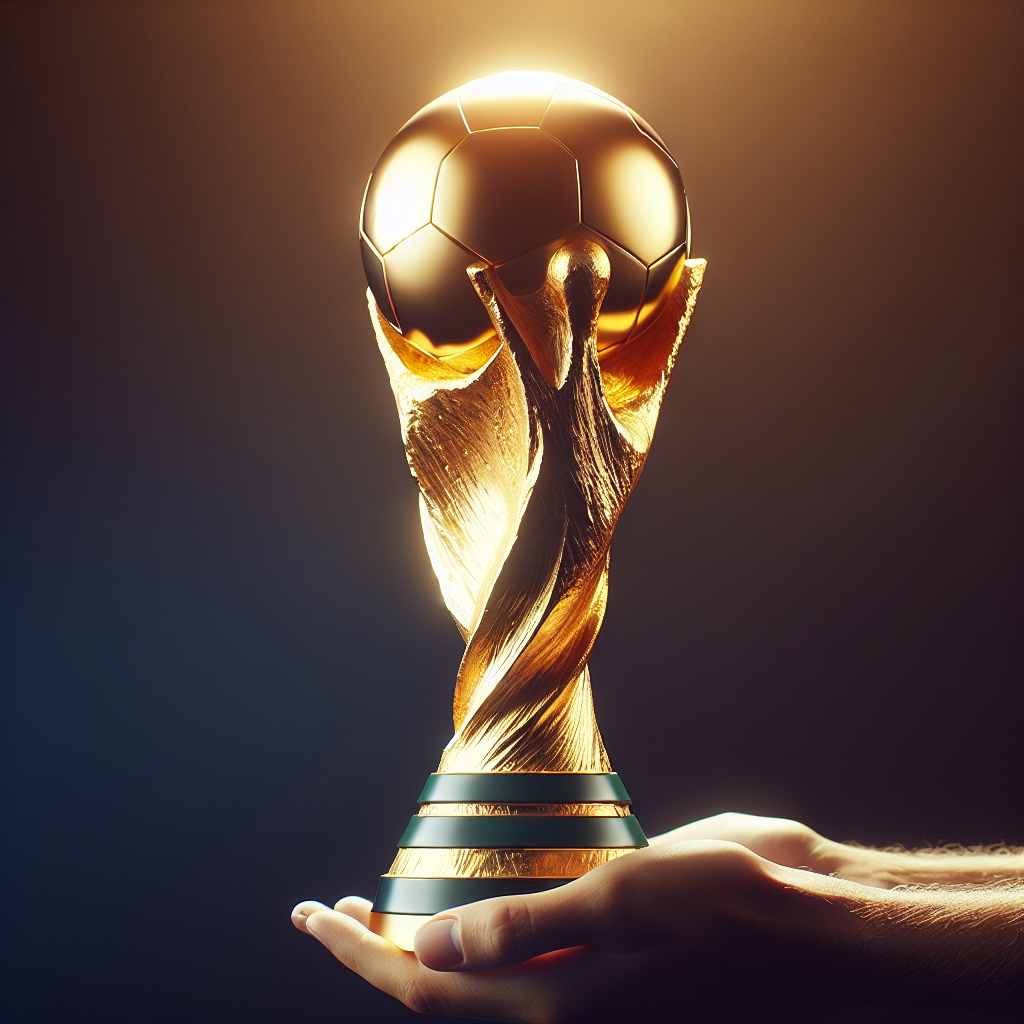
The FIFA Ballon d’Or, one of the most prestigious individual awards in the world of football, has been a subject of admiration and debate since its inception. While it aims to honor the best football player globally, the selection process has often been mired in controversy, sparking discussions among fans, players, and pundits alike. These controversies primarily stem from the subjective nature of the voting process, the criteria for selection, and the perceived biases that may influence the outcome.
To begin with, the voting process for the Ballon d’Or has been a focal point of contention. The award is determined by a panel of international journalists, national team coaches, and captains, each bringing their perspectives and biases to the table. This diverse voting body, while intended to provide a comprehensive view, often leads to disagreements over the final decision. Critics argue that the subjective opinions of voters can overshadow objective performance metrics, leading to selections that do not always align with popular sentiment or statistical evidence.
Moreover, the criteria for selecting the Ballon d’Or winner have been a source of confusion and debate. The award ostensibly recognizes the best player over the calendar year, but the definition of „best” remains ambiguous. Is it the player with the most goals, the most assists, or the one who has had the most significant impact on their team’s success? This lack of clarity allows for varying interpretations, which can result in contentious outcomes. For instance, some argue that the award disproportionately favors attacking players, as their contributions are more easily quantifiable and visible compared to those of defenders or goalkeepers.
In addition to these issues, perceived biases have also fueled controversies surrounding the Ballon d’Or. There is a widespread belief that players from certain leagues or clubs, particularly those with higher visibility and media coverage, have an advantage in the voting process. This perception is exacerbated by the dominance of players from European clubs in the award’s history, leading to accusations of Eurocentrism. Furthermore, the repeated success of a few individuals, such as Lionel Messi and Cristiano Ronaldo, has sparked debates about whether the award truly reflects the diversity of talent in the football world or if it is influenced by the star power and marketability of certain players.
Transitioning to another point of contention, the timing of the award ceremony has also been criticized. Held at the end of the calendar year, the Ballon d’Or often overlooks performances in the latter stages of major tournaments, such as the UEFA Champions League or international competitions like the World Cup or European Championship. This timing can skew perceptions of a player’s contributions, as recent performances may weigh more heavily on voters’ minds than those earlier in the year.
In conclusion, while the FIFA Ballon d’Or remains a coveted accolade, its selection process is fraught with controversies that challenge its credibility. The subjective nature of voting, ambiguous criteria, perceived biases, and timing issues all contribute to the ongoing debates surrounding the award. As football continues to evolve, there is a growing call for greater transparency and refinement in the selection process to ensure that the Ballon d’Or truly reflects the best of the beautiful game.
The Impact Of Ballon d’Or On Players
The FIFA Ballon d’Or, an accolade that stands as the pinnacle of individual achievement in the world of football, has a profound impact on the players who receive it. This prestigious award, which recognizes the best male footballer in the world, not only acknowledges exceptional talent and performance but also significantly influences the careers and personal lives of the recipients. The impact of winning the Ballon d’Or extends beyond the immediate recognition and enters into the realms of legacy, marketability, and personal motivation.
To begin with, the Ballon d’Or serves as a definitive marker of a player’s legacy. Winning this award places a player in an elite group, often compared to legends of the past and present. This recognition can cement a player’s status in the annals of football history, ensuring that their contributions to the sport are remembered long after they retire. For instance, players like Lionel Messi and Cristiano Ronaldo, who have each won the award multiple times, are often discussed in debates about the greatest footballers of all time. Their repeated success in securing the Ballon d’Or has undeniably contributed to their legendary status.
Moreover, the Ballon d’Or significantly enhances a player’s marketability. In today’s globalized sports industry, a player’s brand is almost as important as their on-field performance. Winning the Ballon d’Or can lead to increased endorsement opportunities, as companies seek to associate their products with the best in the sport. This not only boosts a player’s income but also elevates their profile beyond the football pitch. Consequently, players who win the Ballon d’Or often become global icons, transcending the sport and reaching audiences who may not even follow football closely.
In addition to legacy and marketability, the Ballon d’Or can also serve as a powerful source of personal motivation. For many players, winning the award is the culmination of years of hard work and dedication. It validates their efforts and sacrifices, providing a sense of accomplishment that few other accolades can match. However, it can also inspire players to maintain or even elevate their performance levels. The desire to win the award again or to prove that their success was not a one-time occurrence can drive players to push their limits, ultimately benefiting their teams and the sport as a whole.
Furthermore, the impact of the Ballon d’Or is not limited to the individual winners. It also influences aspiring footballers who look up to these players as role models. The stories of perseverance and excellence associated with Ballon d’Or winners can inspire young athletes to pursue their dreams with greater determination. This ripple effect contributes to the development of the sport, as it encourages the next generation of players to strive for greatness.
In conclusion, the FIFA Ballon d’Or is more than just an award; it is a transformative force in the world of football. By shaping legacies, enhancing marketability, and providing motivation, it leaves an indelible mark on the players who receive it. Moreover, its influence extends beyond the individual, inspiring future generations and contributing to the ongoing evolution of the sport. As such, the Ballon d’Or remains a coveted prize, symbolizing the highest level of achievement in football.
Analysis Of Ballon d’Or Winners By Decade
The FIFA Ballon d’Or, an esteemed accolade in the world of football, has been awarded to the most outstanding players since its inception in 1956. Over the decades, the award has not only recognized individual brilliance but also mirrored the evolution of football itself. Analyzing the winners by decade provides a fascinating insight into the changing dynamics of the sport and the players who have left an indelible mark on it.
In the early years of the Ballon d’Or, the award predominantly celebrated European players, reflecting the Eurocentric nature of football at the time. The 1950s and 1960s saw players like Stanley Matthews, Alfredo Di Stefano, and Eusebio rise to prominence. These players were not only exceptional in their technical abilities but also pioneers in their own right, setting the stage for future generations. The focus during these decades was largely on individual skill and flair, with an emphasis on attacking prowess.
Transitioning into the 1970s, the Ballon d’Or began to recognize players who embodied a more holistic approach to the game. Johan Cruyff and Franz Beckenbauer, for instance, were not just skilled players but also tacticians on the field, influencing the game beyond their immediate contributions. This era marked a shift towards recognizing the strategic elements of football, with an increased appreciation for players who could dictate the tempo and flow of the game.
The 1980s introduced a new wave of talent, with players like Michel Platini and Marco van Basten dominating the scene. This decade was characterized by a blend of technical skill and physicality, as football became more competitive and demanding. The Ballon d’Or winners of this era were often those who could adapt to the evolving nature of the game, showcasing versatility and resilience. The 1980s also saw the beginning of a more global appreciation for football, setting the stage for the internationalization of the sport.
As the 1990s unfolded, the Ballon d’Or began to reflect the increasing globalization of football. Players from South America, such as George Weah and Ronaldo, started to gain recognition, highlighting the diverse talent pool that the sport had to offer. This decade was marked by a fusion of styles, with players bringing unique elements from their respective footballing cultures. The winners during this period were often those who could seamlessly integrate different styles, demonstrating adaptability and innovation.
Entering the 21st century, the Ballon d’Or witnessed the emergence of a new breed of footballers, characterized by their extraordinary athleticism and technical prowess. The 2000s and 2010s were dominated by the likes of Lionel Messi and Cristiano Ronaldo, whose rivalry captivated the footballing world. These players not only set new benchmarks for individual excellence but also redefined the parameters of success in football. Their dominance underscored a shift towards a more data-driven and analytical approach to the game, where performance metrics became increasingly important.
In conclusion, the analysis of Ballon d’Or winners by decade reveals a rich tapestry of football’s evolution. From the early days of individual flair to the modern era of athleticism and analytics, the award has consistently celebrated those who have pushed the boundaries of what is possible on the football field. As the sport continues to evolve, the Ballon d’Or will undoubtedly continue to honor those who embody the spirit of innovation and excellence in football.
Memorable Moments In Ballon d’Or Ceremonies
The FIFA Ballon d’Or, an award that has long been synonymous with footballing excellence, has provided fans and players alike with countless memorable moments throughout its storied history. As the most prestigious individual accolade in the sport, the Ballon d’Or not only celebrates the extraordinary talents of the world’s best footballers but also serves as a stage for unforgettable ceremonies that capture the essence of the beautiful game. Over the years, these ceremonies have been marked by moments of triumph, emotion, and sometimes controversy, each contributing to the rich tapestry of football history.
One of the most iconic moments in Ballon d’Or history occurred in 1997 when Brazilian forward Ronaldo, then just 21 years old, became the youngest player to win the award. His electrifying performances for both Barcelona and the Brazilian national team left an indelible mark on the footballing world, and his victory was a testament to his prodigious talent. Ronaldo’s win not only highlighted his individual brilliance but also signaled the arrival of a new era in football, characterized by speed, skill, and flair.
Transitioning to another unforgettable moment, the 2008 ceremony saw Cristiano Ronaldo claim his first Ballon d’Or, marking the beginning of a decade-long rivalry with Lionel Messi that would dominate the footballing landscape. Ronaldo’s triumph, following a stellar season with Manchester United, was a harbinger of the intense competition that would ensue between the two footballing giants. This rivalry, often played out on the grandest stages, has captivated fans worldwide and elevated the Ballon d’Or to new heights of anticipation and excitement.
In contrast, the 2010 ceremony was notable for its unexpected outcome, as Lionel Messi secured the award despite strong competition from his Barcelona teammates Xavi and Andrés Iniesta. Many had anticipated that either Xavi or Iniesta would be recognized for their pivotal roles in Spain’s World Cup victory that year. However, Messi’s consistent brilliance throughout the season ultimately swayed the voters. This decision sparked widespread debate and underscored the subjective nature of the award, highlighting how individual excellence is often weighed against team achievements.
Moreover, the 2018 Ballon d’Or ceremony marked a significant shift in the footballing landscape, as Luka Modrić broke the decade-long duopoly of Messi and Ronaldo. Modrić’s win was a recognition of his instrumental role in leading Croatia to the World Cup final and his exceptional performances for Real Madrid. This moment was not only a personal triumph for Modrić but also a reminder of the diverse talents that exist within the footballing world, capable of challenging even the most established stars.
As we reflect on these memorable moments, it is evident that the Ballon d’Or ceremonies have consistently provided a platform for celebrating the extraordinary achievements of footballers while also sparking discussions about the nature of excellence in the sport. Each ceremony, with its unique blend of drama and celebration, contributes to the enduring legacy of the Ballon d’Or, ensuring that it remains a focal point of the footballing calendar. As the world of football continues to evolve, one can only anticipate the future moments that will be etched into the annals of Ballon d’Or history, further enriching the narrative of this prestigious award.
Conclusion
The FIFA Ballon d’Or, awarded annually from 2010 to 2015, was a prestigious accolade that merged the FIFA World Player of the Year award with the Ballon d’Or, recognizing the best male football player in the world. This award was determined by votes from national team coaches, captains, and journalists, reflecting a broad consensus on individual excellence in football. The Ballon d’Or has since returned to its original format, continuing to celebrate outstanding talent and achievement in the sport. The FIFA Ballon d’Or era is remembered for highlighting the dominance of players like Lionel Messi and Cristiano Ronaldo, who set new standards of performance and captivated global audiences with their extraordinary skills and achievements.