„Kyrgyzstan: Where Majestic Mountains Meet Timeless Traditions.”
Introduction
Kyrgyzstan, a landlocked country in Central Asia, is known for its stunning mountainous landscapes, rich cultural heritage, and nomadic traditions. Bordered by Kazakhstan to the north, Uzbekistan to the west, Tajikistan to the south, and China to the east, Kyrgyzstan covers an area of approximately 199,951 square kilometers. The country is characterized by its diverse geography, featuring the towering peaks of the Tien Shan mountain range, vast alpine meadows, and pristine lakes, including the famous Issyk-Kul Lake, one of the largest high-altitude lakes in the world. Kyrgyzstan’s population is predominantly ethnic Kyrgyz, with significant minorities of Uzbeks, Russians, and others, contributing to a vibrant cultural tapestry. The capital city, Bishkek, serves as the political, economic, and cultural center of the country. Kyrgyzstan’s history is marked by its strategic location along the ancient Silk Road, which facilitated trade and cultural exchange between East and West. Today, the country is recognized for its efforts in promoting democracy, tourism, and sustainable development while preserving its unique traditions and natural beauty.
Historical Sites in Kyrgyzstan
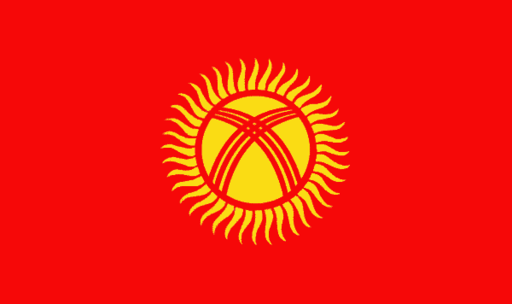
Kyrgyzstan, a landlocked country nestled in Central Asia, is renowned for its breathtaking landscapes and rich cultural heritage. Among its many treasures, the historical sites scattered throughout the nation offer a glimpse into the diverse tapestry of its past. These sites not only reflect the architectural prowess of ancient civilizations but also serve as a testament to the enduring spirit of the Kyrgyz people. As one explores these historical landmarks, it becomes evident that they are integral to understanding the country’s identity and evolution.
One of the most significant historical sites in Kyrgyzstan is the Burana Tower, located near the town of Tokmok. This ancient minaret, which dates back to the 11th century, was once part of the city of Balasagun, a prominent trading hub along the Silk Road. The tower stands at a height of 24 meters and is surrounded by the remnants of a medieval city, including burial mounds and stone carvings. Visitors to Burana Tower can ascend its spiral staircase for a panoramic view of the surrounding landscape, which is dotted with the remnants of a once-thriving civilization. The site not only highlights the architectural ingenuity of the time but also underscores the importance of trade and cultural exchange in shaping Kyrgyz history.
Transitioning from the Burana Tower, one cannot overlook the significance of the Tashkent Gate, which served as a crucial entry point along the Silk Road. This historical site, located near the capital city of Bishkek, is a reminder of the strategic importance of Kyrgyzstan in facilitating trade between East and West. The gate, although partially in ruins, evokes a sense of nostalgia for the bustling caravans that once passed through, laden with goods and ideas. The remnants of the gate, along with nearby archaeological findings, provide valuable insights into the interactions between various cultures and the role of Kyrgyzstan as a crossroads of civilization.
As one delves deeper into Kyrgyzstan’s historical narrative, the ancient city of Osh emerges as another focal point. Often referred to as the “southern capital,” Osh boasts a history that spans over 3,000 years. The city is home to the sacred Sulaiman-Too Mountain, which has been recognized as a UNESCO World Heritage Site. This mountain is not only a natural wonder but also a site of spiritual significance, with numerous mosques and shrines adorning its slopes. The combination of natural beauty and historical depth makes Osh a vital part of Kyrgyzstan’s cultural landscape, attracting pilgrims and tourists alike.
Moreover, the remnants of the Silk Road can be traced through various other sites, such as the ancient caravanserais that once provided shelter to weary travelers. These structures, often built with local materials, exemplify the architectural styles of different eras and regions. They serve as a reminder of the hospitality that characterized the Silk Road, where cultures converged and exchanged not only goods but also knowledge and traditions.
In conclusion, the historical sites of Kyrgyzstan are not merely relics of the past; they are vibrant narratives that continue to shape the identity of the nation. From the towering Burana Tower to the sacred Sulaiman-Too Mountain, each site tells a story of resilience, cultural exchange, and the enduring legacy of the Kyrgyz people. As visitors explore these landmarks, they are invited to reflect on the rich history that has forged the unique character of Kyrgyzstan, making it a captivating destination for those seeking to understand the complexities of Central Asian heritage.
Cultural Festivals of Kyrgyzstan
Kyrgyzstan, a landlocked country nestled in Central Asia, is renowned for its rich cultural heritage and vibrant traditions, which are vividly expressed through its numerous cultural festivals. These festivals not only celebrate the unique customs and history of the Kyrgyz people but also serve as a means of fostering community spirit and preserving age-old practices. One of the most significant festivals is the Nowruz, which marks the arrival of spring and the Persian New Year. Celebrated on March 21, this festival is characterized by various activities, including traditional music, dance, and the preparation of special dishes. The festivities often include the symbolic planting of trees and the sharing of meals among families and friends, emphasizing themes of renewal and unity.
Transitioning from Nowruz, another prominent festival is the World Nomad Games, which showcases the nomadic culture of Kyrgyzstan and other Central Asian countries. First held in 2014, this event has rapidly gained international recognition, attracting participants from around the globe. The games feature a variety of traditional sports, such as kok-boru, a horseback game similar to polo, where teams compete to seize a goat carcass. Additionally, the festival includes displays of traditional music, art, and crafts, allowing visitors to immerse themselves in the rich cultural tapestry of the region. The World Nomad Games not only promote the preservation of nomadic traditions but also foster international camaraderie and understanding.
In addition to these larger festivals, Kyrgyzstan hosts numerous local celebrations that reflect the diverse cultural practices of its various ethnic groups. For instance, the Ala-Too Festival, held in the capital city of Bishkek, celebrates the country’s independence and showcases the vibrant arts and crafts of the Kyrgyz people. During this festival, local artisans display their handmade goods, ranging from intricate felt products to beautifully crafted jewelry. The event also features performances by traditional musicians and dancers, creating an atmosphere of joy and pride in the nation’s heritage.
Moreover, the Yurt Festival, celebrated in the picturesque landscapes of the Tien Shan mountains, highlights the significance of the yurt, a traditional nomadic dwelling. This festival offers visitors a unique opportunity to experience the nomadic lifestyle firsthand, with activities such as yurt-building workshops, horseback riding, and traditional games. Participants can also enjoy local cuisine, which often includes dishes like beshbarmak, a hearty meal made from boiled meat and noodles, further enhancing their understanding of Kyrgyz culture.
As the seasons change, the autumn festival known as the „Kyrgyz Horse Festival” takes center stage, celebrating the deep-rooted connection between the Kyrgyz people and their horses. This event features various equestrian competitions, including races and traditional games, showcasing the exceptional horsemanship skills that have been passed down through generations. The festival not only highlights the importance of horses in Kyrgyz culture but also serves as a reminder of the enduring bond between humans and animals in the nomadic lifestyle.
In conclusion, the cultural festivals of Kyrgyzstan are a testament to the country’s rich heritage and the resilience of its traditions. Through these celebrations, the Kyrgyz people honor their past while embracing the future, inviting both locals and visitors to partake in the vibrant tapestry of their culture. Each festival, with its unique customs and activities, contributes to a deeper understanding of Kyrgyzstan’s identity, fostering a sense of pride and unity among its people.
Adventure Tourism in Kyrgyzstan
Kyrgyzstan, a landlocked country nestled in the heart of Central Asia, is increasingly recognized as a premier destination for adventure tourism. With its breathtaking landscapes, rich cultural heritage, and diverse ecosystems, the country offers a plethora of activities that cater to thrill-seekers and nature enthusiasts alike. The majestic Tien Shan mountain range, which covers a significant portion of Kyrgyzstan, serves as a stunning backdrop for various outdoor pursuits, making it an ideal playground for adventurers.
One of the most popular activities in Kyrgyzstan is trekking, which allows visitors to explore the country’s rugged terrain and experience its natural beauty up close. The Ala Archa National Park, located just a short drive from the capital city of Bishkek, is a prime example of this. With its numerous trails that wind through alpine meadows and past glacial rivers, trekkers can enjoy breathtaking views while immersing themselves in the tranquility of nature. Additionally, the famous Silk Road routes, which once connected the East and West, offer unique trekking opportunities that combine adventure with a sense of historical exploration.
In addition to trekking, Kyrgyzstan is renowned for its world-class mountaineering. The country boasts several peaks that attract climbers from around the globe, including the iconic Pobeda Peak and Khan Tengri. These formidable mountains present challenges that test the skills and endurance of even the most experienced climbers. As climbers ascend these heights, they are rewarded not only with a sense of accomplishment but also with panoramic views that showcase the stunning beauty of the surrounding landscapes.
For those seeking a different kind of thrill, Kyrgyzstan offers excellent opportunities for white-water rafting and kayaking. The country’s rivers, such as the Naryn and the Chu, provide exhilarating experiences for both beginners and seasoned paddlers. The rapids range from gentle flows suitable for novices to challenging sections that require advanced skills, ensuring that there is something for everyone. Rafting trips often include the chance to camp along the riverbanks, allowing adventurers to connect with nature and enjoy the serenity of the wilderness.
Moreover, horseback riding is an integral part of Kyrgyz culture and an exciting way to explore the vast steppes and mountainous regions. The traditional nomadic lifestyle of the Kyrgyz people is closely tied to their horses, and visitors can experience this unique aspect of the culture by embarking on multi-day horseback treks. These journeys not only provide an opportunity to traverse stunning landscapes but also allow travelers to engage with local communities and learn about their customs and traditions.
As adventure tourism continues to grow in Kyrgyzstan, the government and local organizations are increasingly focused on sustainable practices to preserve the environment and support local economies. Initiatives aimed at promoting eco-friendly tourism are being implemented, ensuring that the natural beauty of the country remains intact for future generations. This commitment to sustainability enhances the overall experience for visitors, who can enjoy their adventures while contributing positively to the communities they encounter.
In conclusion, Kyrgyzstan stands out as a remarkable destination for adventure tourism, offering a diverse range of activities set against a backdrop of stunning natural beauty. From trekking and mountaineering to white-water rafting and horseback riding, the country provides countless opportunities for exploration and excitement. As travelers seek authentic experiences that connect them with nature and culture, Kyrgyzstan is poised to become a leading choice for adventure enthusiasts worldwide.
Traditional Kyrgyz Cuisine
Kyrgyzstan, a landlocked country nestled in Central Asia, boasts a rich cultural heritage that is vividly reflected in its traditional cuisine. The culinary practices of the Kyrgyz people are deeply intertwined with their nomadic lifestyle, which has shaped their food preparation methods and the ingredients they use. At the heart of Kyrgyz cuisine lies a profound respect for nature and a reliance on locally sourced ingredients, which are often prepared in ways that highlight their natural flavors.
One of the most iconic dishes in Kyrgyz cuisine is „beshbarmak,” which translates to „five fingers.” This dish typically consists of boiled meat, usually lamb or beef, served over a bed of wide noodles and accompanied by a rich broth. Traditionally, it is eaten with the hands, emphasizing the communal aspect of dining in Kyrgyz culture. The preparation of beshbarmak is often a social event, bringing families and friends together to share in the experience of cooking and eating. This communal spirit is a hallmark of Kyrgyz hospitality, where guests are treated with the utmost respect and generosity.
In addition to beshbarmak, another staple of Kyrgyz cuisine is „plov,” a hearty rice dish that is often prepared with meat, carrots, and a blend of spices. Plov is not only a common meal but also a dish that holds cultural significance, often served during celebrations and gatherings. The preparation of plov varies from region to region, with each locality adding its unique twist to the recipe. This diversity in preparation methods reflects the rich tapestry of Kyrgyz culture and the influence of neighboring countries.
Moreover, dairy products play a crucial role in the traditional diet of the Kyrgyz people. Due to the country’s pastoral lifestyle, milk from sheep, goats, and cows is a primary source of nutrition. „Kymyz,” fermented mare’s milk, is particularly significant and is often regarded as a national drink. It is known for its slightly sour taste and effervescent quality, and it is believed to have various health benefits. The process of making kymyz is steeped in tradition, with families often passing down their techniques through generations. Other dairy products, such as „ayran” (a yogurt-based drink) and „suzma” (strained yogurt), are also commonly consumed, showcasing the versatility of dairy in Kyrgyz cuisine.
As one delves deeper into the culinary landscape of Kyrgyzstan, it becomes evident that bread holds a sacred place in the hearts of the Kyrgyz people. „Lepeshka,” a round, flat bread, is a staple at every meal and is often baked in a traditional clay oven called a „tandoor.” The act of breaking bread together symbolizes unity and friendship, reinforcing the importance of community in Kyrgyz culture. Additionally, various types of pastries and dumplings, such as „manti” (steamed dumplings filled with meat) and „samsa” (savory pastries filled with meat or vegetables), further enrich the culinary repertoire.
In conclusion, traditional Kyrgyz cuisine is a vibrant reflection of the country’s history, culture, and way of life. The emphasis on communal dining, the use of locally sourced ingredients, and the significance of dairy and bread highlight the deep-rooted traditions that continue to thrive in modern Kyrgyz society. As one explores the flavors and dishes of Kyrgyzstan, it becomes clear that each meal is not merely sustenance but a celebration of heritage, hospitality, and the enduring bonds of community.
Natural Wonders of Kyrgyzstan
Kyrgyzstan, a landlocked country nestled in Central Asia, is renowned for its breathtaking natural wonders that captivate both locals and visitors alike. The diverse landscape, characterized by towering mountains, pristine lakes, and expansive valleys, offers a unique tapestry of natural beauty that is both awe-inspiring and inviting. One of the most prominent features of Kyrgyzstan is the Tien Shan mountain range, which stretches across the country and serves as a majestic backdrop to the region. This range is home to some of the highest peaks in the world, including the towering Pobeda Peak, which rises to an impressive 7,439 meters. The rugged terrain and dramatic elevations create a stunning visual spectacle, attracting mountaineers and trekkers from around the globe.
In addition to its formidable mountains, Kyrgyzstan boasts an array of stunning lakes that further enhance its natural allure. Lake Issyk-Kul, the second-largest saline lake in the world, is perhaps the most famous of these bodies of water. Nestled at an altitude of 1,607 meters, it is surrounded by snow-capped peaks and offers a unique ecosystem that supports a variety of flora and fauna. The lake’s warm waters, which remain unfrozen even in winter, provide a popular destination for both relaxation and recreation. Visitors can engage in activities such as swimming, sailing, and fishing, all while enjoying the breathtaking views of the surrounding mountains.
Transitioning from the lakes to the valleys, the Ala Archa National Park stands out as a prime example of Kyrgyzstan’s natural beauty. Located just a short drive from the capital city of Bishkek, this park is a haven for outdoor enthusiasts. The park features a variety of hiking trails that wind through lush forests, alpine meadows, and glacial landscapes. As one traverses these trails, the diverse wildlife, including ibex and snow leopards, can often be spotted, adding to the park’s allure. The stunning vistas from the park’s higher elevations provide a panoramic view of the Tien Shan mountains, making it a must-visit destination for nature lovers.
Moreover, the natural wonders of Kyrgyzstan are not limited to its mountains and lakes; the country is also home to unique geological formations. The Skazka Canyon, often referred to as the „Fairy Tale Canyon,” is a striking example of nature’s artistry. With its vibrant red and orange rock formations, the canyon resembles a fantastical landscape that seems to have been plucked from a storybook. Visitors to Skazka Canyon can explore its winding paths and marvel at the surreal beauty of the rock formations, which have been shaped by centuries of erosion.
As one delves deeper into the natural wonders of Kyrgyzstan, the importance of preserving these landscapes becomes increasingly evident. The country’s rich biodiversity and unique ecosystems are under threat from climate change and human activity. Therefore, sustainable tourism practices are essential to ensure that future generations can experience the same awe and wonder that these natural sites inspire today. By promoting responsible travel and conservation efforts, Kyrgyzstan can protect its stunning landscapes while allowing visitors to appreciate the beauty of its natural heritage.
In conclusion, Kyrgyzstan’s natural wonders are a testament to the country’s rich geographical diversity and ecological significance. From the majestic Tien Shan mountains to the serene waters of Lake Issyk-Kul and the enchanting Skazka Canyon, each element contributes to a landscape that is both breathtaking and vital. As awareness of these natural treasures grows, so too does the responsibility to safeguard them for the enjoyment of future generations.
Conclusion
Kyrgyzstan, a landlocked country in Central Asia, is characterized by its stunning mountainous landscapes, rich cultural heritage, and a diverse population. Despite facing economic challenges and political instability, it has made strides towards democratic governance and regional cooperation. The country’s natural beauty, including the famous Issyk-Kul Lake, and its nomadic traditions continue to attract tourism and foster a unique national identity. Overall, Kyrgyzstan stands as a resilient nation with potential for growth and development in the heart of Central Asia.