„Pakistan: Where Tradition Meets Tomorrow”
Introduction
Pakistan, officially known as the Islamic Republic of Pakistan, is a country located in South Asia. It shares borders with India to the east, Afghanistan and Iran to the west, and China to the north, while the Arabian Sea lies to its south. With a rich tapestry of history, Pakistan is home to diverse cultures, languages, and landscapes, ranging from the towering peaks of the Himalayas and the Karakoram Range to the fertile plains of the Punjab and the arid deserts of Sindh and Balochistan. Established in 1947 as a separate nation for Muslims of the Indian subcontinent, Pakistan has since evolved into a vibrant country with a population exceeding 220 million people, making it the fifth-most populous nation in the world. Its capital is Islamabad, while Karachi serves as its largest city and economic hub. Pakistan’s strategic location, cultural heritage, and dynamic society contribute to its significant role in regional and global affairs.

The Impact Of CPEC On Pakistan’s Economy
The China-Pakistan Economic Corridor (CPEC) has emerged as a pivotal development in the economic landscape of Pakistan, promising to transform the country’s infrastructure and economic prospects. As a flagship project of China’s Belt and Road Initiative, CPEC aims to enhance connectivity between China and Pakistan through a network of roads, railways, and energy projects. This ambitious undertaking, valued at approximately $62 billion, is expected to have far-reaching implications for Pakistan’s economy, influencing various sectors and fostering regional integration.
To begin with, CPEC has significantly contributed to the development of Pakistan’s infrastructure, which has long been a bottleneck for economic growth. The construction of highways and motorways under CPEC has improved connectivity within the country, facilitating the movement of goods and people. This enhanced infrastructure is crucial for boosting trade, both domestically and internationally, as it reduces transportation costs and time. Moreover, the development of the Gwadar Port, a key component of CPEC, is set to transform Pakistan into a regional trade hub, providing a strategic maritime route for trade between China, the Middle East, and Africa.
In addition to infrastructure development, CPEC has also played a vital role in addressing Pakistan’s energy crisis. The energy projects under CPEC, which include coal, hydroelectric, and renewable energy plants, have added significant capacity to the national grid. This increase in energy supply is essential for supporting industrial growth and attracting foreign investment, as reliable electricity is a critical factor for businesses. Consequently, the alleviation of energy shortages has the potential to spur economic activity and create job opportunities, thereby contributing to overall economic stability.
Furthermore, CPEC has stimulated economic growth by attracting foreign direct investment (FDI) into Pakistan. The influx of Chinese investment has not only funded infrastructure and energy projects but has also encouraged other countries to invest in Pakistan. This increase in FDI is instrumental in boosting economic growth, as it brings in capital, technology, and expertise, which are essential for industrial development. Additionally, the establishment of special economic zones (SEZs) along the CPEC route is expected to further attract investment and promote industrialization, leading to increased exports and economic diversification.
However, while CPEC presents numerous opportunities, it also poses certain challenges that need to be addressed to ensure sustainable economic growth. One of the primary concerns is the rising debt burden associated with CPEC projects, as Pakistan has borrowed heavily to finance these initiatives. Managing this debt is crucial to avoid potential financial instability. Moreover, there are concerns about the equitable distribution of CPEC benefits across different regions of Pakistan. Ensuring that all provinces and communities benefit from CPEC is essential for maintaining social cohesion and political stability.
In conclusion, the China-Pakistan Economic Corridor holds immense potential to transform Pakistan’s economy by improving infrastructure, addressing energy shortages, and attracting foreign investment. While the opportunities presented by CPEC are significant, it is imperative for Pakistan to address the associated challenges to fully realize the benefits of this transformative initiative. By doing so, Pakistan can harness the potential of CPEC to achieve sustainable economic growth and enhance its position in the regional and global economy.
Ecotourism Opportunities In Northern Pakistan
Northern Pakistan, a region renowned for its breathtaking landscapes and rich cultural heritage, offers a plethora of ecotourism opportunities that are gradually gaining recognition on the global stage. This area, characterized by its majestic mountains, lush valleys, and diverse ecosystems, presents an ideal setting for sustainable tourism practices that not only promote environmental conservation but also foster economic development for local communities. As travelers increasingly seek destinations that offer both adventure and a chance to connect with nature, Northern Pakistan stands out as a promising option.
One of the most compelling aspects of ecotourism in Northern Pakistan is the opportunity to explore the region’s stunning natural beauty. The Karakoram Range, home to some of the world’s highest peaks, including K2, offers unparalleled trekking experiences. These treks, such as the Baltoro Glacier and Concordia, provide adventurers with the chance to witness awe-inspiring landscapes while minimizing their environmental footprint. Moreover, the region’s commitment to preserving its natural heritage is evident in the establishment of national parks and protected areas, such as the Khunjerab National Park, which serves as a sanctuary for endangered species like the snow leopard and Marco Polo sheep.
In addition to its natural wonders, Northern Pakistan is rich in cultural diversity, offering visitors a unique opportunity to engage with local communities and learn about their traditions. The region is home to various ethnic groups, each with its own distinct customs and languages. By participating in community-based tourism initiatives, travelers can gain insight into the daily lives of these communities while contributing to their economic well-being. For instance, homestay programs in the Hunza Valley allow visitors to experience traditional hospitality and cuisine, fostering cross-cultural understanding and appreciation.
Furthermore, Northern Pakistan’s ecotourism potential is enhanced by its commitment to sustainable practices. Local organizations and government bodies are increasingly recognizing the importance of balancing tourism development with environmental conservation. Initiatives such as waste management programs and eco-friendly accommodations are being implemented to ensure that tourism growth does not come at the expense of the region’s natural resources. These efforts are crucial in maintaining the delicate balance between promoting tourism and preserving the environment for future generations.
Moreover, the region’s accessibility has improved significantly in recent years, making it easier for tourists to explore its ecotourism offerings. Infrastructure developments, such as the expansion of the Karakoram Highway and the establishment of new airports, have facilitated travel to remote areas, opening up new opportunities for adventure seekers and nature enthusiasts alike. This increased accessibility, coupled with the region’s inherent beauty and cultural richness, positions Northern Pakistan as a burgeoning ecotourism destination.
In conclusion, Northern Pakistan presents a unique blend of natural beauty, cultural diversity, and sustainable tourism practices that make it an attractive destination for ecotourism. As the global demand for responsible travel experiences continues to grow, this region offers a compelling case for those seeking to explore unspoiled landscapes while supporting local communities. By embracing ecotourism, Northern Pakistan not only showcases its remarkable assets but also paves the way for a more sustainable and inclusive future. As such, it stands as a testament to the potential of ecotourism to drive positive change, both environmentally and socially, in one of the world’s most captivating regions.
Pakistan’s Diverse Culinary Traditions
Pakistan’s diverse culinary traditions offer a rich tapestry of flavors, aromas, and textures that reflect the country’s complex history and cultural diversity. The cuisine of Pakistan is a vibrant blend of influences from Central Asia, the Middle East, and the Indian subcontinent, each contributing unique elements to the nation’s gastronomic identity. As one traverses the regions of Pakistan, the culinary landscape shifts dramatically, showcasing the country’s varied geography and the distinct cultural practices of its people.
In the northern areas, the cuisine is heavily influenced by the neighboring regions of Afghanistan and Central Asia. Here, dishes are characterized by the use of meats such as lamb and beef, often cooked in rich, hearty stews. The use of dried fruits and nuts is prevalent, adding a subtle sweetness and texture to savory dishes. Chapli kebabs, a popular street food, exemplify this region’s flavors, combining minced meat with spices and herbs to create a dish that is both flavorful and satisfying.
Moving southward, the Punjab region offers a different culinary experience, one that is marked by its robust and spicy flavors. Punjabi cuisine is known for its generous use of ghee and butter, which lend a rich, creamy texture to dishes. The region’s fertile land supports a variety of crops, allowing for a diverse array of vegetarian and non-vegetarian dishes. Tandoori cooking, which involves baking food in a clay oven, is a hallmark of Punjabi cuisine, producing dishes like tandoori chicken and naan that are beloved across the country.
In contrast, the Sindh region, with its proximity to the Arabian Sea, incorporates a significant amount of seafood into its culinary repertoire. Sindhi cuisine is known for its bold flavors, often achieved through the use of spices such as cumin, coriander, and turmeric. Dishes like Sindhi biryani, a fragrant rice dish layered with marinated meat and spices, highlight the region’s penchant for complex, aromatic flavors. The use of sour ingredients, such as tamarind and lemon, is also common, providing a tangy counterpoint to the rich spices.
The Balochistan region, with its arid climate and rugged terrain, offers a cuisine that is simple yet flavorful. The Baloch people are known for their love of meat, particularly lamb and goat, which are often cooked over open flames. Sajji, a traditional Balochi dish, involves marinating whole lamb in a mixture of spices before roasting it to perfection. The result is a dish that is both tender and flavorful, embodying the rustic charm of Balochi cuisine.
Finally, the cuisine of Khyber Pakhtunkhwa, influenced by its Pashtun heritage, is characterized by its use of fresh ingredients and minimal spices. The emphasis is on the natural flavors of the ingredients, with dishes like Kabuli pulao showcasing the delicate balance of rice, meat, and vegetables. The region’s love for tea, particularly green tea, is evident in its culinary practices, often serving as a refreshing accompaniment to meals.
In conclusion, Pakistan’s diverse culinary traditions are a testament to the country’s rich cultural heritage and geographical diversity. Each region offers its own unique flavors and cooking techniques, contributing to a national cuisine that is as varied as it is delicious. Through its food, Pakistan tells a story of its people, their history, and their enduring love for the art of cooking.
The Rise Of Technology Startups In Pakistan
In recent years, Pakistan has witnessed a remarkable surge in the technology startup ecosystem, marking a significant shift in the country’s economic landscape. This burgeoning sector is not only reshaping the traditional business environment but also positioning Pakistan as a potential hub for innovation and entrepreneurship in South Asia. The rise of technology startups in Pakistan can be attributed to several interrelated factors, each contributing to the dynamic growth of this sector.
To begin with, the increasing penetration of the internet and mobile technology has played a pivotal role in fostering the startup culture in Pakistan. With over 100 million internet users and a rapidly growing number of smartphone users, the digital landscape in Pakistan provides a fertile ground for tech entrepreneurs to explore new opportunities. This widespread connectivity has enabled startups to reach a broader audience, offering innovative solutions to everyday problems and tapping into previously underserved markets.
Moreover, the Pakistani government has recognized the potential of the technology sector as a driver of economic growth and has taken steps to support its development. Initiatives such as the establishment of technology parks, incubation centers, and favorable regulatory frameworks have created an enabling environment for startups to thrive. These efforts are complemented by the government’s focus on improving digital infrastructure and investing in human capital, which are crucial for sustaining the momentum of the tech industry.
In addition to governmental support, the rise of technology startups in Pakistan has been fueled by the increasing availability of venture capital and investment opportunities. Local and international investors are showing a growing interest in the Pakistani startup scene, attracted by the country’s large and youthful population, as well as its untapped market potential. This influx of capital has provided startups with the necessary resources to scale their operations, innovate, and compete on a global stage.
Furthermore, the entrepreneurial spirit among the youth in Pakistan is a driving force behind the proliferation of technology startups. With a median age of around 22 years, Pakistan’s young population is tech-savvy, ambitious, and eager to embrace new challenges. This demographic is not only adept at leveraging technology to create innovative solutions but also keen on disrupting traditional industries and creating new business models. As a result, a vibrant community of entrepreneurs, developers, and tech enthusiasts has emerged, fostering collaboration and knowledge-sharing across the ecosystem.
The rise of technology startups in Pakistan is also characterized by a diverse range of sectors and industries being targeted. From e-commerce and fintech to health tech and edtech, Pakistani startups are addressing a wide array of challenges and opportunities. This diversity not only reflects the versatility and adaptability of the country’s entrepreneurs but also underscores the potential for technology to drive positive change across various facets of society.
In conclusion, the rise of technology startups in Pakistan is a testament to the country’s evolving economic landscape and its potential to become a regional leader in innovation. The convergence of internet connectivity, governmental support, investment influx, and youthful entrepreneurship has created a robust ecosystem that is poised for continued growth. As Pakistan continues to nurture its tech industry, it is likely to witness further advancements that will contribute to economic development, job creation, and societal progress. The journey of technology startups in Pakistan is just beginning, and the future holds promising prospects for this dynamic sector.
Exploring The Rich Cultural Heritage Of Pakistan
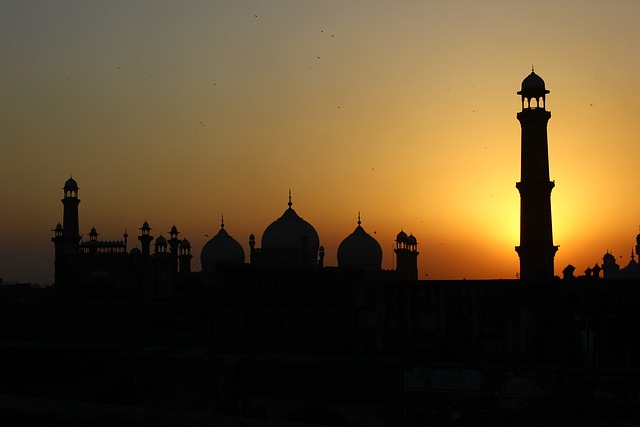
Pakistan, a country located in South Asia, is a land of diverse cultures, languages, and traditions, each contributing to its rich cultural heritage. This cultural tapestry is woven from the threads of history, geography, and the myriad of ethnic groups that call Pakistan home. The country’s cultural heritage is not only a reflection of its past but also a living, evolving entity that continues to shape its present and future.
To begin with, Pakistan’s cultural heritage is deeply rooted in its ancient history. The region that is now Pakistan was home to some of the world’s earliest civilizations, such as the Indus Valley Civilization, which thrived around 2500 BCE. This civilization, known for its advanced urban planning and architecture, laid the foundation for the cultural development of the region. The remnants of this civilization, particularly the archaeological sites of Mohenjo-Daro and Harappa, offer invaluable insights into the early cultural practices and societal structures of the area.
As history progressed, the region witnessed the influence of various empires and cultures, including the Persian, Greek, Mauryan, and Mughal empires. Each of these empires left an indelible mark on the cultural landscape of Pakistan. For instance, the Mughal Empire, which ruled the Indian subcontinent from the 16th to the 19th century, introduced a unique blend of Persian, Indian, and Islamic art and architecture. The Mughal legacy is evident in the country’s numerous historical monuments, such as the Badshahi Mosque and Lahore Fort, which continue to attract tourists and scholars alike.
In addition to its historical influences, Pakistan’s cultural heritage is enriched by its diverse ethnic composition. The country is home to several ethnic groups, including Punjabis, Sindhis, Baloch, Pashtuns, and others, each with its own distinct language, traditions, and customs. This diversity is reflected in the country’s vibrant festivals, music, dance, and cuisine. For example, the traditional music of Pakistan, which includes genres such as Qawwali and Ghazal, is a testament to the country’s rich musical heritage. These musical forms, often performed at cultural and religious gatherings, serve as a means of preserving and transmitting cultural values and stories from one generation to the next.
Moreover, Pakistan’s cultural heritage is also expressed through its traditional crafts and textiles. The country is renowned for its intricate embroidery, handwoven carpets, and vibrant textiles, which are not only a source of national pride but also an important economic resource. These crafts are often passed down through generations, with artisans employing age-old techniques to create works of art that are both beautiful and functional.
Furthermore, Pakistan’s cultural heritage is preserved and promoted through various institutions and initiatives. Museums, cultural centers, and heritage sites across the country play a crucial role in safeguarding the nation’s cultural assets. Additionally, the government and non-governmental organizations actively work to promote cultural awareness and education, ensuring that the rich cultural heritage of Pakistan is accessible to both locals and visitors.
In conclusion, the cultural heritage of Pakistan is a complex and dynamic entity, shaped by its ancient history, diverse ethnic composition, and the influences of various empires and cultures. It is a source of national identity and pride, offering a window into the country’s past while continuing to evolve and adapt in the present. As Pakistan moves forward, the preservation and celebration of its cultural heritage remain vital to fostering a sense of unity and understanding among its people.
Conclusion
Pakistan is a country of significant geopolitical importance, located at the crossroads of South Asia, Central Asia, and the Middle East. It has a rich cultural heritage and diverse landscapes, ranging from the mountainous regions of the north to the fertile plains of the Punjab and the arid deserts of Sindh and Balochistan. Despite facing challenges such as political instability, economic difficulties, and security concerns, Pakistan has shown resilience and potential for growth. It is a nuclear-armed nation with a large and youthful population, which presents both opportunities and challenges for its future development. The country’s strategic location, coupled with its efforts to improve infrastructure and foster regional connectivity, positions it as a key player in regional and global affairs. However, achieving sustainable development and stability will require addressing internal issues such as governance, education, and social inequality.