„Unleash the Magic Within.”
Introduction
A witch is often depicted as a figure possessing magical abilities, typically portrayed in folklore, mythology, and various cultural traditions. Historically, witches have been associated with both benevolent and malevolent practices, ranging from healing and protection to casting curses and spells. The image of the witch has evolved over centuries, influenced by societal changes, religious beliefs, and popular culture. In many Western traditions, witches are often imagined as women with the power to manipulate natural forces, sometimes in league with supernatural entities. The concept of witchcraft has been a source of fascination and fear, leading to witch hunts and trials in various historical contexts. Today, the figure of the witch continues to captivate the imagination, symbolizing themes of empowerment, rebellion, and the mystical unknown.
The Evolution Of The Witch Stereotype In Media
The evolution of the witch stereotype in media is a fascinating journey that reflects broader societal changes and cultural perceptions. Historically, witches have been depicted in various ways, often embodying society’s fears and anxieties. In early literature and folklore, witches were frequently portrayed as malevolent figures, wielding dark powers and consorting with evil forces. This image was largely influenced by the witch hunts of the 16th and 17th centuries, where fear and superstition led to the persecution of countless individuals, predominantly women. These historical events cemented the witch as a symbol of danger and otherness, a stereotype that persisted for centuries.
As media evolved, so too did the portrayal of witches. The advent of film and television in the 20th century brought new dimensions to the witch stereotype. In the early days of cinema, witches were often depicted as grotesque and sinister, echoing the traditional narratives of evil and malevolence. However, as societal attitudes began to shift, so did the representation of witches. The mid-20th century saw a gradual transformation, with witches being portrayed in a more nuanced light. This change was partly influenced by the feminist movement, which sought to reclaim the witch as a symbol of female empowerment and resistance against patriarchal oppression.
The 1960s and 1970s marked a significant turning point in the portrayal of witches in media. Television shows like „Bewitched” and „I Dream of Jeannie” presented witches as charming and relatable characters, blending magical elements with everyday life. These portrayals challenged the traditional stereotype, offering a more positive and humanized image of witches. This trend continued into the late 20th century, with films like „The Witches of Eastwick” and „Practical Magic” further exploring the complexities of witchcraft and its practitioners.
In recent years, the portrayal of witches in media has become even more diverse and multifaceted. Contemporary films and television series often depict witches as complex characters with their own moral codes and motivations. Shows like „American Horror Story: Coven” and „Chilling Adventures of Sabrina” delve into the darker aspects of witchcraft while also exploring themes of identity, power, and autonomy. These modern interpretations reflect a growing interest in the occult and a desire to understand the witch beyond the confines of traditional stereotypes.
Moreover, the rise of digital media and social platforms has allowed for a broader range of voices and perspectives to be heard. Independent creators and storytellers are challenging conventional narratives, offering fresh and innovative takes on the witch archetype. This democratization of media has led to a more inclusive and diverse representation of witches, reflecting the complexities of contemporary society.
In conclusion, the evolution of the witch stereotype in media is a testament to the changing cultural landscape and the ongoing reexamination of historical narratives. From malevolent figures of fear to empowered symbols of resistance, witches have undergone a remarkable transformation in media representation. As society continues to evolve, it is likely that the portrayal of witches will continue to adapt, reflecting new understandings and interpretations of this enduring and enigmatic figure. Through this evolution, the witch remains a powerful symbol, embodying both the fears and aspirations of the human experience.
Witchcraft Practices And Rituals Around The World
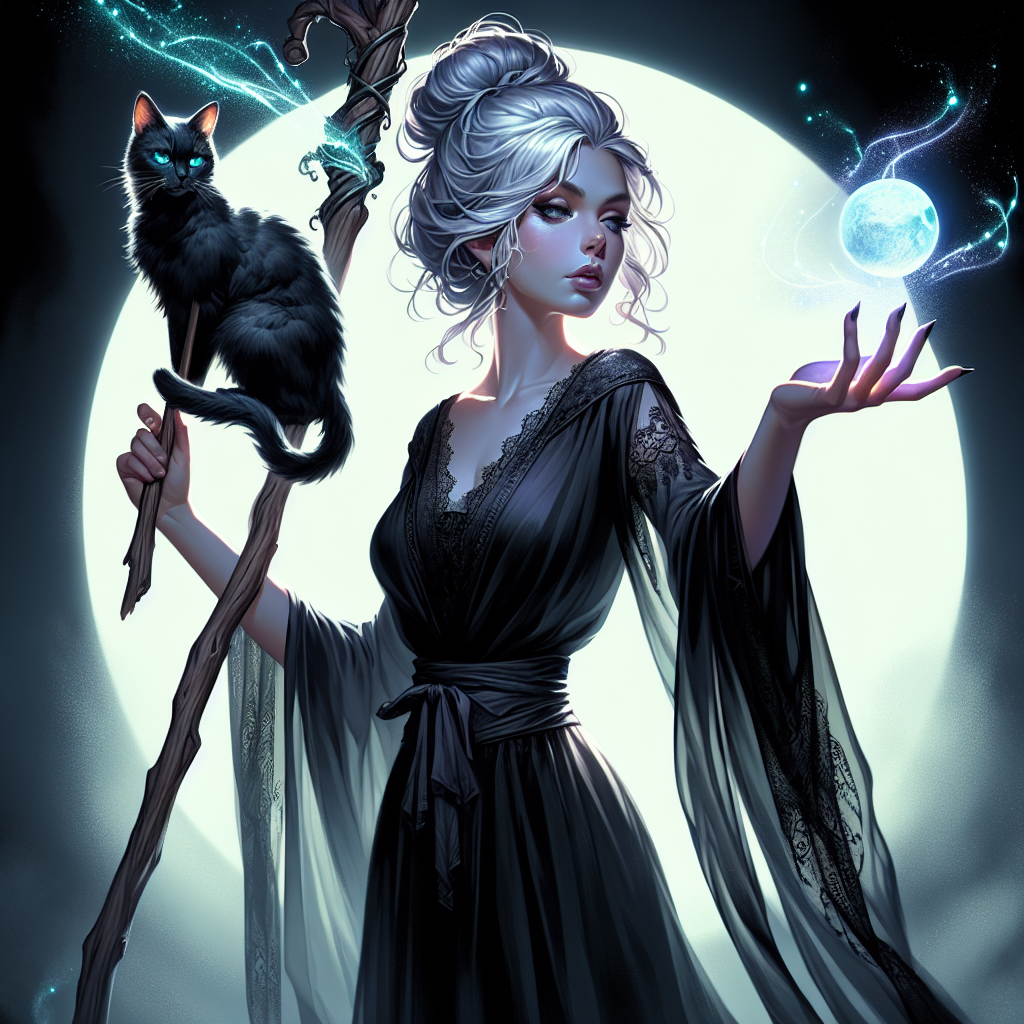
Witchcraft, a practice steeped in mystery and tradition, has been an integral part of various cultures around the world for centuries. Its practices and rituals, though diverse, share common themes of spirituality, nature, and the pursuit of knowledge beyond the ordinary. As we delve into the world of witchcraft, it is essential to understand that it is not a monolithic practice but rather a tapestry of beliefs and customs that vary significantly across different regions.
In Europe, witchcraft has historically been associated with both fear and fascination. The Wiccan tradition, one of the most well-known forms of modern witchcraft, emerged in the mid-20th century and draws heavily from pre-Christian pagan practices. Wiccans celebrate the cycles of the moon and the changing seasons through rituals known as Sabbats and Esbats. These ceremonies often involve the casting of circles, the invocation of deities, and the use of tools such as athames and chalices. The emphasis is on harmony with nature and the balance of energies, reflecting a deep respect for the natural world.
Transitioning to Africa, witchcraft takes on a different form, deeply intertwined with the continent’s rich cultural heritage. In many African societies, witchcraft is seen as a means of connecting with ancestors and the spirit world. Practices often involve divination, healing, and the use of charms and amulets. The Sangoma of Southern Africa, for instance, are traditional healers who use their knowledge of herbs and spiritual guidance to treat ailments and provide counsel. Here, witchcraft is not merely a mystical practice but a vital part of community life, offering solutions to everyday problems and maintaining social harmony.
In Asia, particularly in countries like India and Nepal, witchcraft is often linked with shamanistic traditions. Shamans, or spiritual healers, act as intermediaries between the human and spirit worlds. They perform rituals to heal the sick, protect against evil spirits, and ensure good fortune. These rituals may include chanting, drumming, and the use of sacred objects. The focus is on achieving a state of trance or altered consciousness to communicate with the spiritual realm, highlighting the importance of spiritual insight and transformation.
Moving to the Americas, indigenous practices of witchcraft are deeply rooted in the land and its history. In North America, Native American tribes have long practiced forms of witchcraft that emphasize harmony with nature and the spiritual significance of animals and plants. Rituals often involve the use of sacred herbs like sage and tobacco, as well as dances and songs that honor the earth and its creatures. Similarly, in South America, the practice of curanderismo blends indigenous beliefs with elements of Catholicism, focusing on healing and protection through rituals that incorporate prayer, herbal remedies, and spiritual cleansing.
Despite the geographical and cultural differences, a common thread in witchcraft practices worldwide is the emphasis on the interconnectedness of all things. Whether through the cycles of the moon, the spirits of ancestors, or the healing power of nature, witchcraft seeks to understand and harness the unseen forces that shape our world. As such, it remains a powerful testament to humanity’s enduring quest for knowledge, healing, and spiritual fulfillment. Through its diverse rituals and practices, witchcraft continues to offer a unique lens through which to view the world, bridging the gap between the tangible and the mystical.
The Role Of Witches In Folklore And Mythology
Witches have long held a significant place in folklore and mythology, serving as both figures of fear and fascination. Their portrayal varies widely across cultures and historical periods, yet certain themes and characteristics remain consistent. To understand the role of witches in folklore and mythology, it is essential to explore their origins, the symbolism they embody, and their impact on cultural narratives.
The concept of the witch can be traced back to ancient civilizations, where they were often depicted as wise women or healers possessing knowledge of the natural world. In ancient Greece, for instance, figures like Circe and Medea were portrayed as powerful sorceresses with the ability to manipulate reality through their mastery of magic. These early depictions highlight the dual nature of witches as both benevolent and malevolent forces, capable of healing and harm.
As folklore evolved, the image of the witch became more complex, often reflecting societal fears and anxieties. During the Middle Ages in Europe, witches were frequently associated with the devil and accused of practicing malevolent magic. This period saw the rise of witch hunts, fueled by religious and political tensions, where countless individuals, mostly women, were persecuted and executed. The witch trials of this era underscore the role of witches as scapegoats for societal ills, embodying the fear of the unknown and the other.
Despite their often negative portrayal, witches also symbolize empowerment and resistance. In many cultures, they are seen as figures who challenge the status quo, wielding power in a patriarchal society that seeks to suppress them. This aspect of the witch is evident in various myths and legends, where they are depicted as cunning and resourceful, using their knowledge and skills to outwit those who seek to control them. The witch, therefore, becomes a symbol of defiance and independence, representing those who dare to defy societal norms.
Moreover, witches are frequently associated with nature and the elements, embodying a deep connection to the earth and its cycles. This connection is evident in the rituals and practices attributed to them, which often involve the use of herbs, potions, and incantations. In this context, witches serve as guardians of ancient wisdom, preserving knowledge of the natural world that has been passed down through generations. This aspect of the witch highlights their role as intermediaries between the human and the supernatural, bridging the gap between the mundane and the mystical.
In contemporary culture, the image of the witch has undergone a transformation, evolving from a figure of fear to one of empowerment and self-discovery. Modern interpretations often celebrate the witch as a symbol of feminine strength and autonomy, embracing their connection to nature and the mystical. This shift reflects broader societal changes, where there is a growing appreciation for diversity and a rejection of traditional gender roles.
In conclusion, the role of witches in folklore and mythology is multifaceted, encompassing themes of fear, empowerment, and connection to nature. Their portrayal has evolved over time, reflecting the changing values and beliefs of society. Whether seen as malevolent figures or symbols of resistance, witches continue to captivate the imagination, serving as powerful reminders of the complexities of human nature and the enduring allure of the mystical.
Famous Witches In Literature And Pop Culture
Throughout history, the figure of the witch has captivated the human imagination, serving as a symbol of mystery, power, and often, fear. In literature and pop culture, witches have been portrayed in myriad ways, reflecting society’s evolving attitudes towards magic, femininity, and the unknown. From the malevolent to the benevolent, these characters have left an indelible mark on storytelling, each contributing uniquely to the tapestry of witchcraft in popular consciousness.
One of the earliest and most influential depictions of witches in literature can be found in William Shakespeare’s „Macbeth.” The three witches, often referred to as the Weird Sisters, embody the archetype of the malevolent witch, using their supernatural powers to manipulate Macbeth and set him on a path of destruction. Their cryptic prophecies and eerie presence underscore themes of fate and ambition, illustrating how witches have historically been associated with dark forces and moral ambiguity.
Transitioning to a more modern portrayal, J.K. Rowling’s „Harry Potter” series offers a nuanced depiction of witches and wizards, presenting them as complex individuals with a range of personalities and moral compasses. Hermione Granger, one of the series’ central characters, is a witch whose intelligence, bravery, and loyalty challenge traditional stereotypes. Through Hermione and other characters, Rowling redefines the witch as a figure of empowerment and agency, reflecting contemporary values of equality and diversity.
In contrast, the character of the Wicked Witch of the West from L. Frank Baum’s „The Wonderful Wizard of Oz” and its subsequent adaptations, including the iconic 1939 film, represents the quintessential evil witch. Her green skin, pointed hat, and cackling voice have become synonymous with the image of the wicked witch in popular culture. However, the musical „Wicked,” based on Gregory Maguire’s novel, offers a revisionist perspective, exploring the backstory of the Wicked Witch and challenging audiences to reconsider their preconceived notions of good and evil.
Moreover, the television series „Charmed” and „Buffy the Vampire Slayer” have further expanded the portrayal of witches in pop culture. „Charmed” follows the Halliwell sisters, who use their magical abilities to protect the innocent and battle supernatural threats. This series emphasizes themes of sisterhood and empowerment, portraying witches as protectors rather than villains. Similarly, „Buffy the Vampire Slayer” features Willow Rosenberg, a witch whose character development explores the ethical complexities of wielding magical power. Both series highlight the potential for witches to be forces for good, reflecting a shift in cultural attitudes towards witchcraft.
Additionally, the character of Sabrina Spellman from „Sabrina the Teenage Witch” and its darker reimagining, „Chilling Adventures of Sabrina,” illustrates the duality of the witch as both a relatable teenager and a powerful sorceress. These series blend elements of comedy and horror, exploring themes of identity, choice, and the struggle between light and dark.
In conclusion, the portrayal of witches in literature and pop culture has evolved significantly over time, reflecting broader societal changes and attitudes. From Shakespeare’s ominous Weird Sisters to Rowling’s empowering Hermione Granger, witches have been depicted as both villains and heroes, embodying the complexities of human nature. As society continues to grapple with issues of power, identity, and morality, the figure of the witch remains a potent symbol, inviting audiences to explore the boundaries of imagination and reality.
History Of Witchcraft: From Ancient Times To Modern Day
The history of witchcraft is a complex tapestry woven through centuries, reflecting the evolving perceptions and societal attitudes towards magic and the supernatural. Tracing its origins to ancient times, witchcraft has been both revered and reviled, often depending on the cultural and historical context. In ancient civilizations such as Mesopotamia, Egypt, and Greece, magic was an integral part of daily life. Practitioners, often women, were respected for their knowledge of herbs and healing, and their ability to communicate with the divine. These early witches were seen as wise figures, possessing skills that were both mystical and practical.
As societies evolved, so too did the perception of witchcraft. During the Middle Ages in Europe, the rise of Christianity brought about a significant shift in attitudes. The church, seeking to consolidate its power, began to view witchcraft as heretical and dangerous. This period marked the beginning of a darker chapter in the history of witchcraft, characterized by fear and persecution. The infamous witch hunts of the 15th to 18th centuries were fueled by a combination of religious fervor, social upheaval, and misogyny. Thousands of individuals, predominantly women, were accused of witchcraft and subjected to brutal trials and executions. The witch hunts left an indelible mark on history, serving as a grim reminder of the dangers of mass hysteria and scapegoating.
Despite the persecution, witchcraft persisted, adapting to the changing times. The Enlightenment era brought about a more rational and scientific approach to understanding the world, leading to a decline in witch hunts. However, the fascination with the occult and the supernatural did not disappear. In the 19th century, the Romantic movement rekindled interest in folklore and the mystical, paving the way for a resurgence of witchcraft in popular culture. This period saw the emergence of spiritualism and the occult revival, with figures such as Aleister Crowley and Helena Blavatsky gaining prominence.
Moving into the 20th century, witchcraft underwent a transformation, evolving into a modern spiritual practice. The mid-20th century saw the rise of Wicca, a contemporary pagan religious movement founded by Gerald Gardner. Wicca embraced elements of ancient paganism, nature worship, and ceremonial magic, offering a positive and empowering interpretation of witchcraft. This modern form of witchcraft emphasized harmony with nature, personal growth, and the celebration of the divine feminine. As society became more open to diverse spiritual practices, witchcraft gained acceptance and even popularity.
In contemporary times, witchcraft continues to evolve, reflecting the diverse and dynamic nature of modern spirituality. The digital age has facilitated the spread of information and the formation of global communities, allowing practitioners to connect and share their knowledge and experiences. Today, witchcraft is practiced in various forms, from traditional covens to solitary practitioners, each with their unique beliefs and rituals. It has also found a place in popular culture, with witches depicted in literature, film, and television, often as symbols of empowerment and rebellion.
In conclusion, the history of witchcraft is a testament to the enduring human fascination with the mystical and the unknown. From ancient healers to modern-day practitioners, witches have navigated a complex landscape of fear, persecution, and acceptance. As society continues to evolve, so too will the practice and perception of witchcraft, ensuring its place in the tapestry of human history.
Conclusion
Witches have been a significant part of folklore and mythology across various cultures for centuries, often depicted as individuals possessing magical powers and knowledge of the occult. Historically, they have been both revered and feared, sometimes seen as wise healers and at other times as malevolent figures. The image of the witch has evolved over time, influenced by societal changes, religious beliefs, and popular culture. In contemporary times, the concept of the witch has been reimagined and embraced by some as a symbol of empowerment and connection to nature. Despite their varied representations, witches continue to captivate the human imagination, serving as a powerful symbol of mystery, transformation, and the unknown.